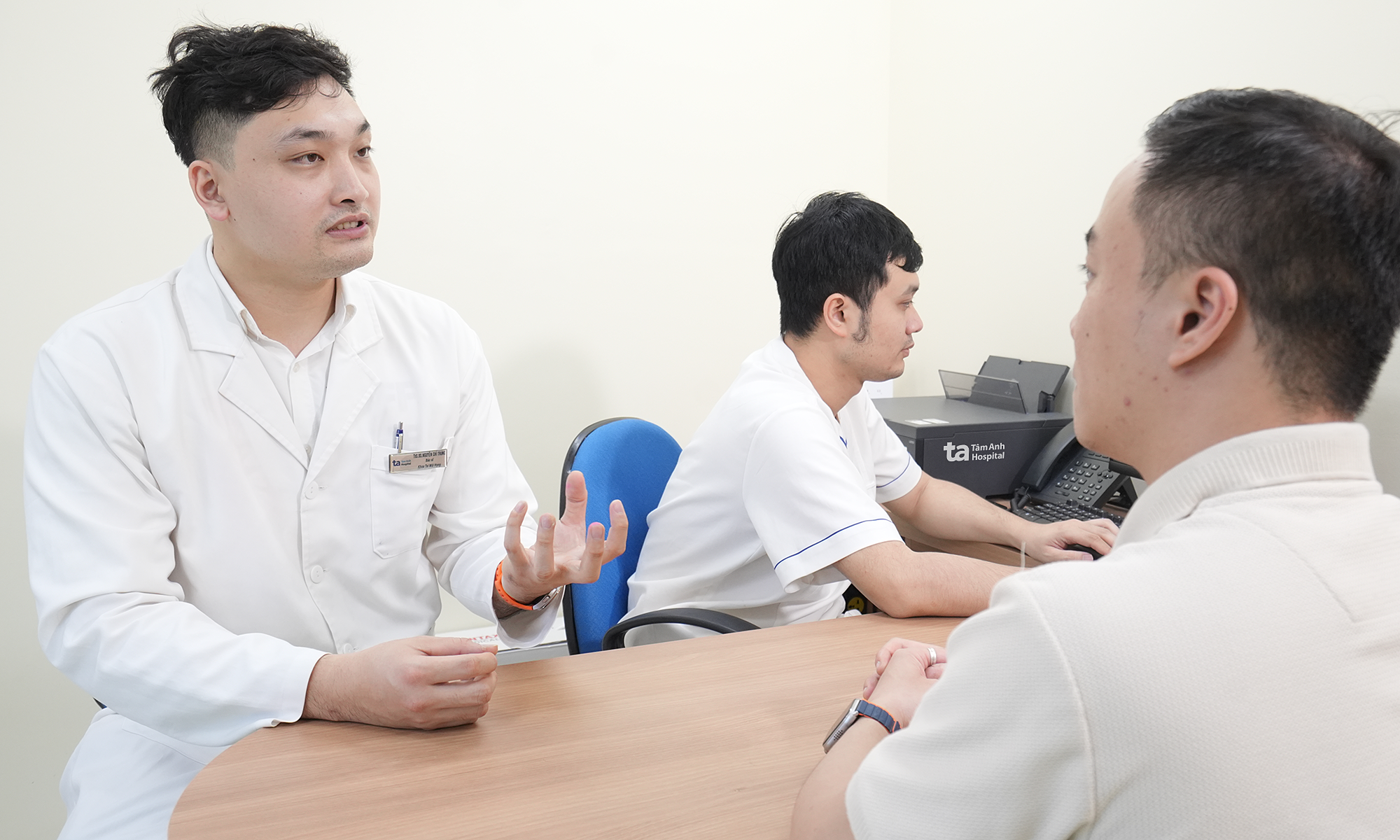
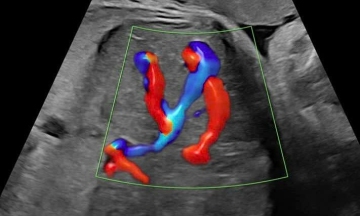
At Tam Anh Cau Giay General Clinic, after basic tests including blood work and gynecological exams, Hang underwent a pelvic ultrasound, 3D uterine imaging, and HyFoSy saline infusion sonography to check her uterus and fallopian tubes. Results showed Hang had good ovarian reserve, but her uterus contained numerous polyps, ranging from a few millimeters to nearly 1 cm, scattered on the anterior and posterior walls. Some had long stalks and were mobile within the uterus. This condition involves excessive endometrial growth, forming small growths within the uterus. Most polyps are benign, however, they can still affect the ability to conceive.
According to Doctor Vu Thi Ngoc of the Assisted Reproduction Clinic, uterine polyps are a common cause of infertility in women. These polyps can obstruct sperm from reaching the egg, reducing the embryo's ability to implant in the uterine lining. In some cases, they increase the risk of ectopic pregnancy. Polyps can also occupy space in the uterus during pregnancy, increasing the risk of miscarriage or premature birth.
Meanwhile, the semen analysis for Son, Hang's fiance, revealed a high percentage of abnormal sperm and poor motility. Doctor Ngoc stated that in a normal semen sample, the percentage of perfectly shaped sperm typically accounts for only about 4-10%. If the abnormal rate exceeds 96% or motility is poor, natural fertilization may be affected.
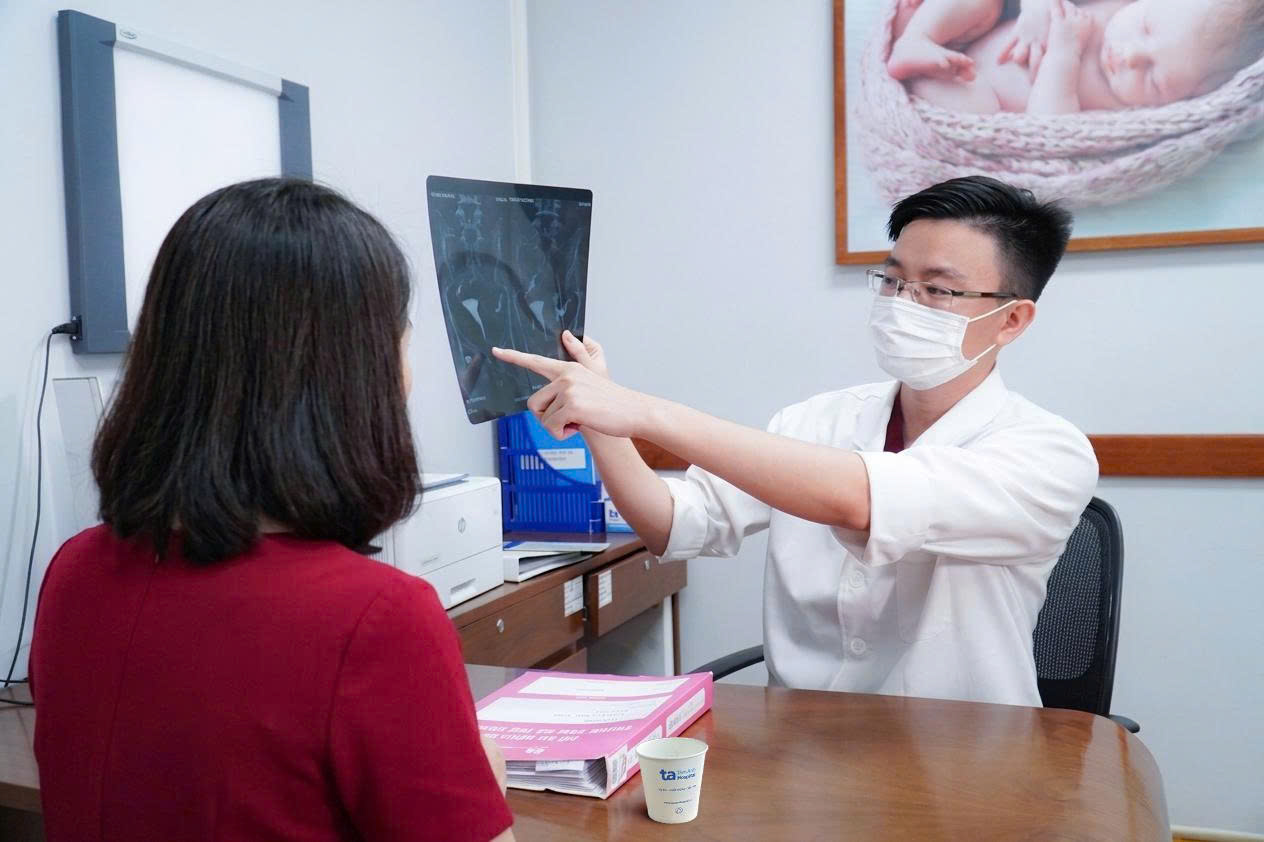 |
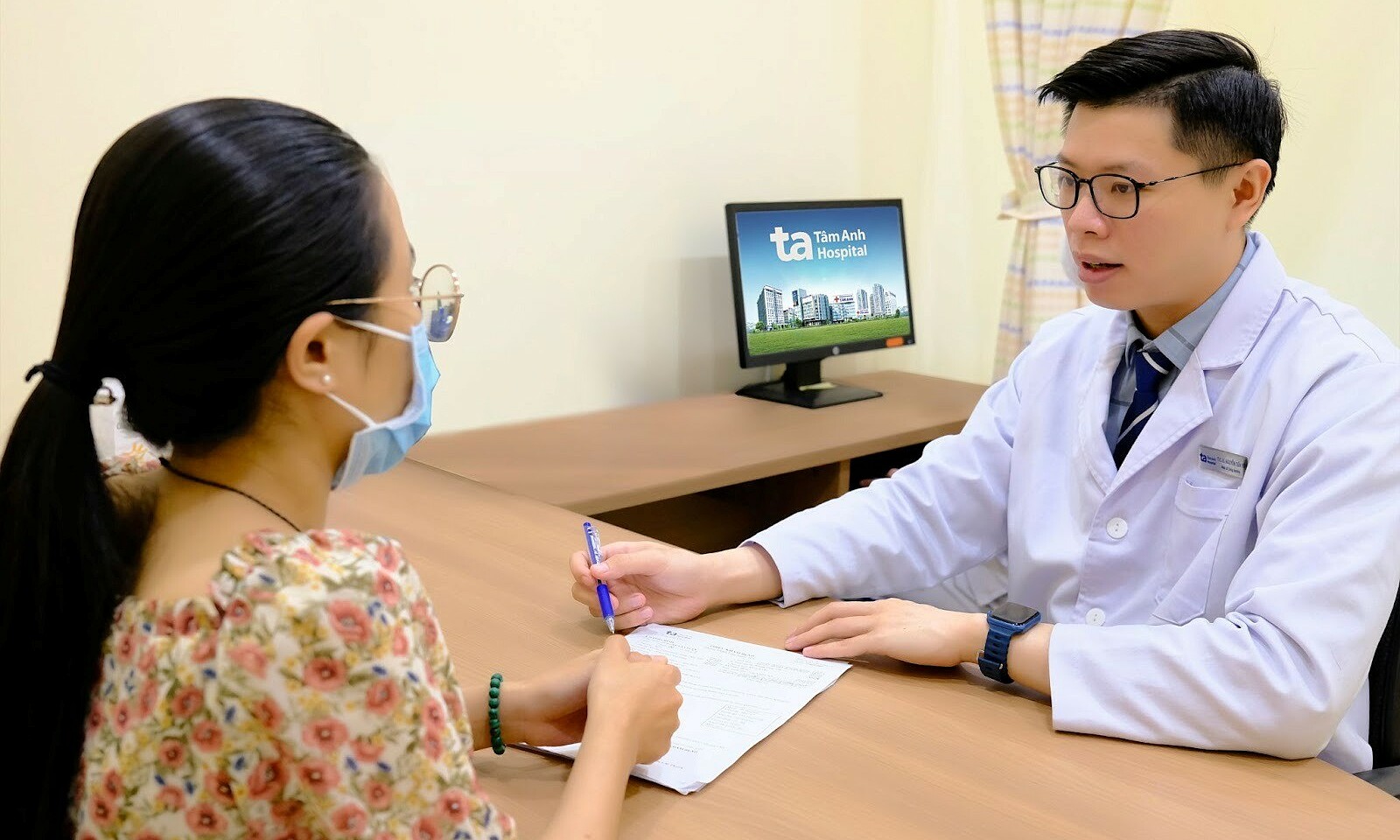
A doctor advises Hang on uterine polyp treatment. Photo: Tam Anh General Hospital |
Doctors performed a hysteroscopic polypectomy for Hang using a specialized electrical loop, ensuring complete removal of the polyp base to minimize recurrence. The surrounding healthy endometrium was preserved, a crucial factor for women who have not yet had children, like Hang. The entire procedure was performed naturally, without external incisions, and all polyps were benign.
Son received conservative treatment and was advised to change his lifestyle, combined with regular monitoring, to improve natural sperm quality. He needed to sleep 7-8 hours each night, avoid staying up late, and reduce stress. He was encouraged to increase foods rich in antioxidants such as: vitamin C, vitamin E, zinc, and selenium—micronutrients vital for protecting sperm from free radical damage. He also needed to supplement with seafood, eggs, nuts, dark green vegetables, and fresh fruits, while limiting fast food, processed foods, alcohol, and tobacco. Maintaining a healthy weight and regular exercise, while avoiding high temperatures in the genital area, was also recommended.
Three months after their wedding, Hang conceived naturally. Her pregnancy is now in its fourth month and stable.
Doctor Ngoc emphasized that pre-marital or pre-conception health checks are important preparatory steps, helping couples comprehensively assess their reproductive health before planning a family. Basic tests include: complete blood count, hormone tests, sperm analysis, ovarian reserve index measurement, and pelvic ultrasound. Modern diagnostic techniques such as 3D uterine ultrasound or HyFoSy—a foam contrast sonography method to assess fallopian tubes—help thoroughly check the condition of the uterus and fallopian tubes.
Depending on the situation, doctors may recommend additional specialized tests such as: genetic testing, chromosome analysis, assessment of early ovarian failure risk, endocrine disorders, absence of sperm, or blocked fallopian tubes, thereby detecting abnormalities early and intervening promptly.
Thanh Ba