Doctor Nguyen Trong Thuy, former head doctor of the Vietnam National and U23 teams, states that leftover rice, if not stored properly, can become a breeding ground for bacteria, increasing the risk of food poisoning. Here are three common mistakes many people unknowingly make.
Rice contains many spores of the bacterium Bacillus cereus. These spores are highly heat-resistant. When cooked into rice, if left at room temperature for over two hours, the spores germinate into living bacteria and release toxins. Normal reheating temperatures cannot destroy this type of toxin.
In hot summer weather above 32 degrees Celsius, bacteria double in number in just one hour. Therefore, users should cool rice quickly and store it in the refrigerator's cool compartment as soon as possible.
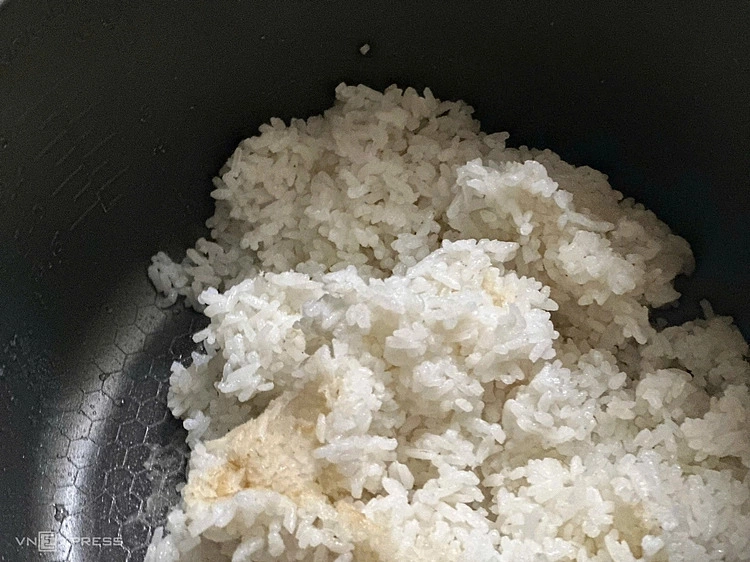 |
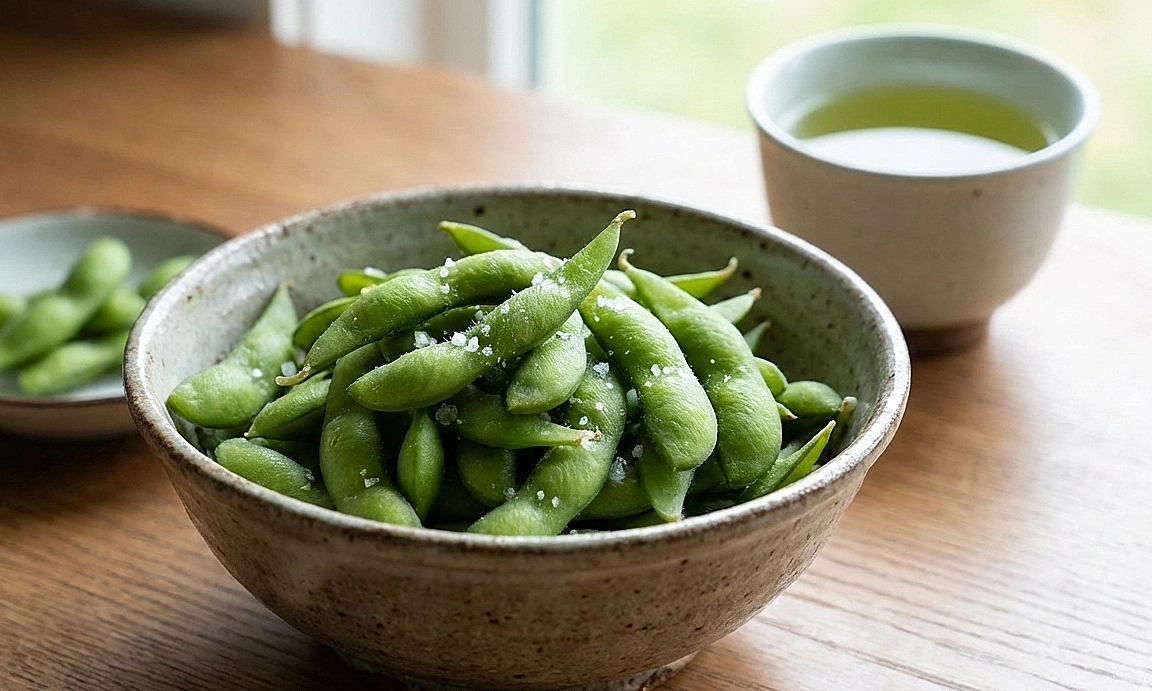
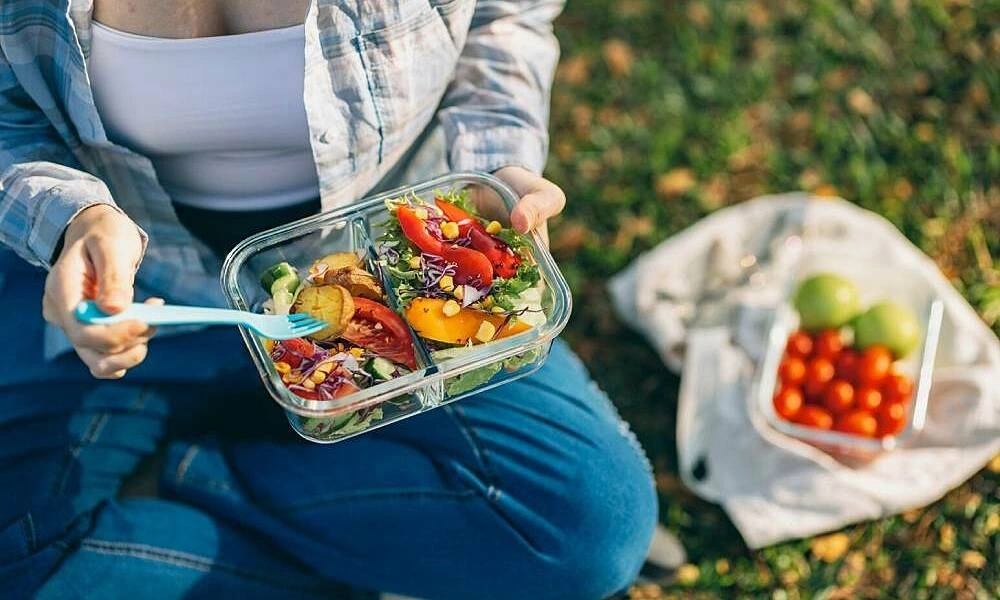
Leftover rice is healthy if stored properly. *Illustration: Huong Thuy* |
Many people habitually put an entire pot of hot rice into the refrigerator to prevent bacterial contamination. This action increases the compartment's temperature, causes condensation, and indirectly spoils nearby foods. Instead, divide the remaining rice into shallow containers to allow it to cool naturally for about 20 minutes before covering and refrigerating.
Refrigerated rice should also not be kept for too long. Reheating multiple times breaks down the rice grain structure and creates conditions for recontamination by bacteria. Homemakers should only use refrigerated rice within one to two days. Before eating, thoroughly heat the entire portion of rice to above 75 degrees Celsius and only take the amount needed. If the rice surface appears slimy, discolored, or emits a sour odor, discard it immediately.
From a nutritional perspective, cooked rice cooled properly will convert some carbohydrates into resistant starch. This type of starch digests slowly in the small intestine, helping to stabilize blood sugar after meals, prolonging satiety, and supporting gut microbiota.
However, these nutritional benefits are only realized when the rice is stored correctly from a hygienic and epidemiological standpoint, avoiding turning a nutritious meal into a food poisoning risk, Doctor Thuy advises.
Thuy Quynh