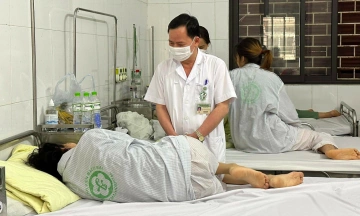
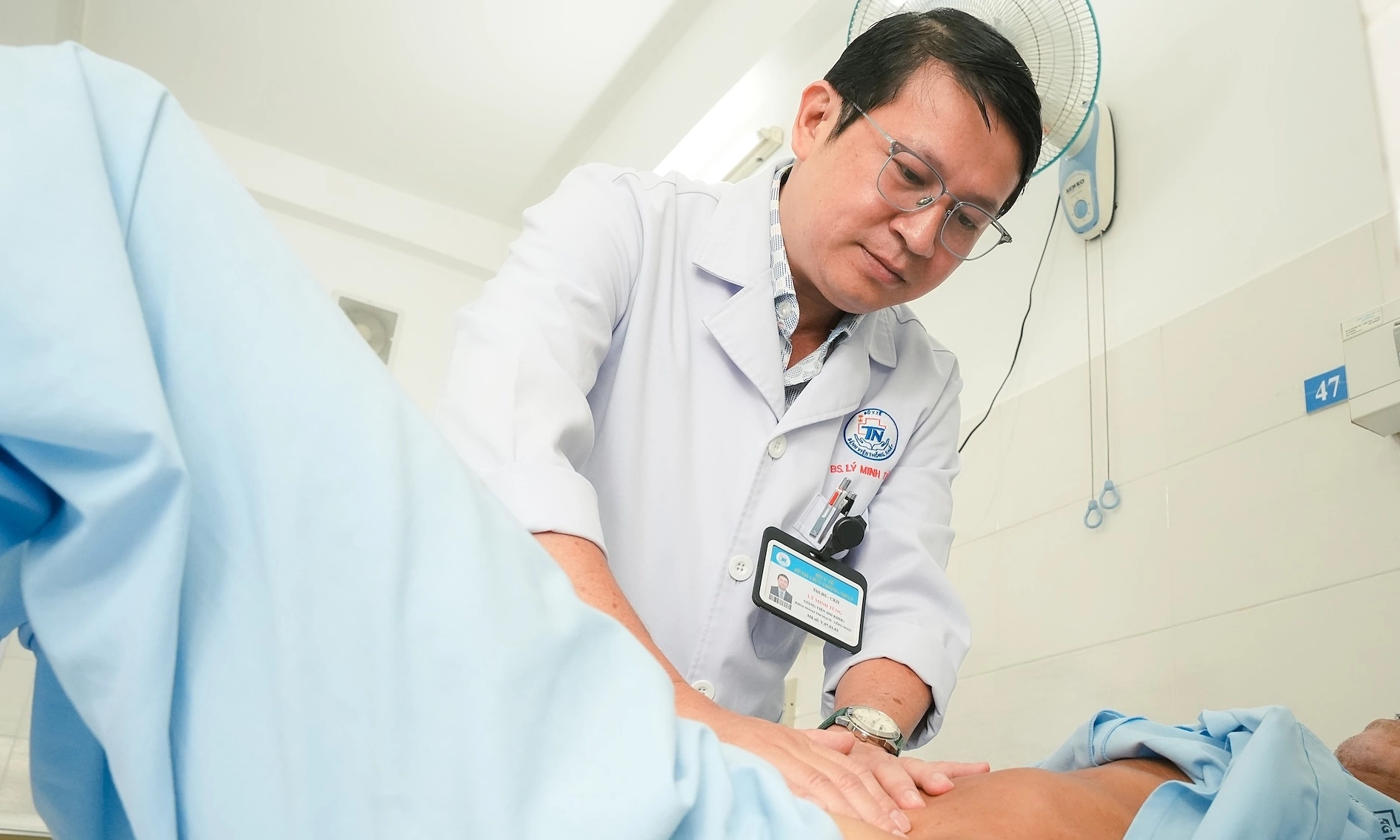
Three children were hospitalized at Children's Hospital of Ho Chi Minh City after suffering severe blood clotting disorders and internal bleeding, suspected to be from super warfarin rat poison. The condition developed after they continuously ate field rat meat for approximately one week, with the 7-year-old boy requiring mechanical ventilation due to hemothorax.
Around one week before their admission, the three children regularly consumed field rat meat prepared by their family. On the seventh day, all three began experiencing symptoms including abdominal pain, vomiting, diarrhea, and scattered bruises on their arms, thighs, shins, buttocks, and abdomen. The 7-year-old boy also vomited black blood, had a distended abdomen, and red urine.
The family initially took the children to a local hospital. There, doctors conducted tests and diagnosed a blood clotting disorder, subsequently transferring them to Children's Hospital of Ho Chi Minh City.
On 11/8, Doctor CK2 Nguyen Minh Tien, Deputy Director of Children's Hospital of Ho Chi Minh City, reported that doctors suspected the children had been poisoned by super warfarin, a type of rat poison. This substance is a vitamin K antagonist that can remain in body tissues for weeks, or even months, causing prolonged blood clotting disorders.
The three children underwent gastric lavage, were given activated charcoal, received intravenous vitamin K1, and had their coagulation monitored daily. As their blood clotting disorder worsened, doctors adjusted the vitamin K1 dosage and managed their electrolyte and acid-base imbalances.
The 7-year-old boy experienced severe hemorrhage and bilateral hemothorax, leading to respiratory failure. He required intubation and mechanical ventilation.
After nearly three weeks of treatment, the health of all three children gradually stabilized. Their bleeding symptoms resolved, and blood clotting indicators were close to normal. The boy was successfully weaned off the ventilator. The children continue to receive vitamin K1 and will be monitored after discontinuing the medication.
"Super warfarin can linger in the body for a long time, so there is still a risk of recurrence for the blood clotting disorder; continued monitoring is necessary," the doctor explained.
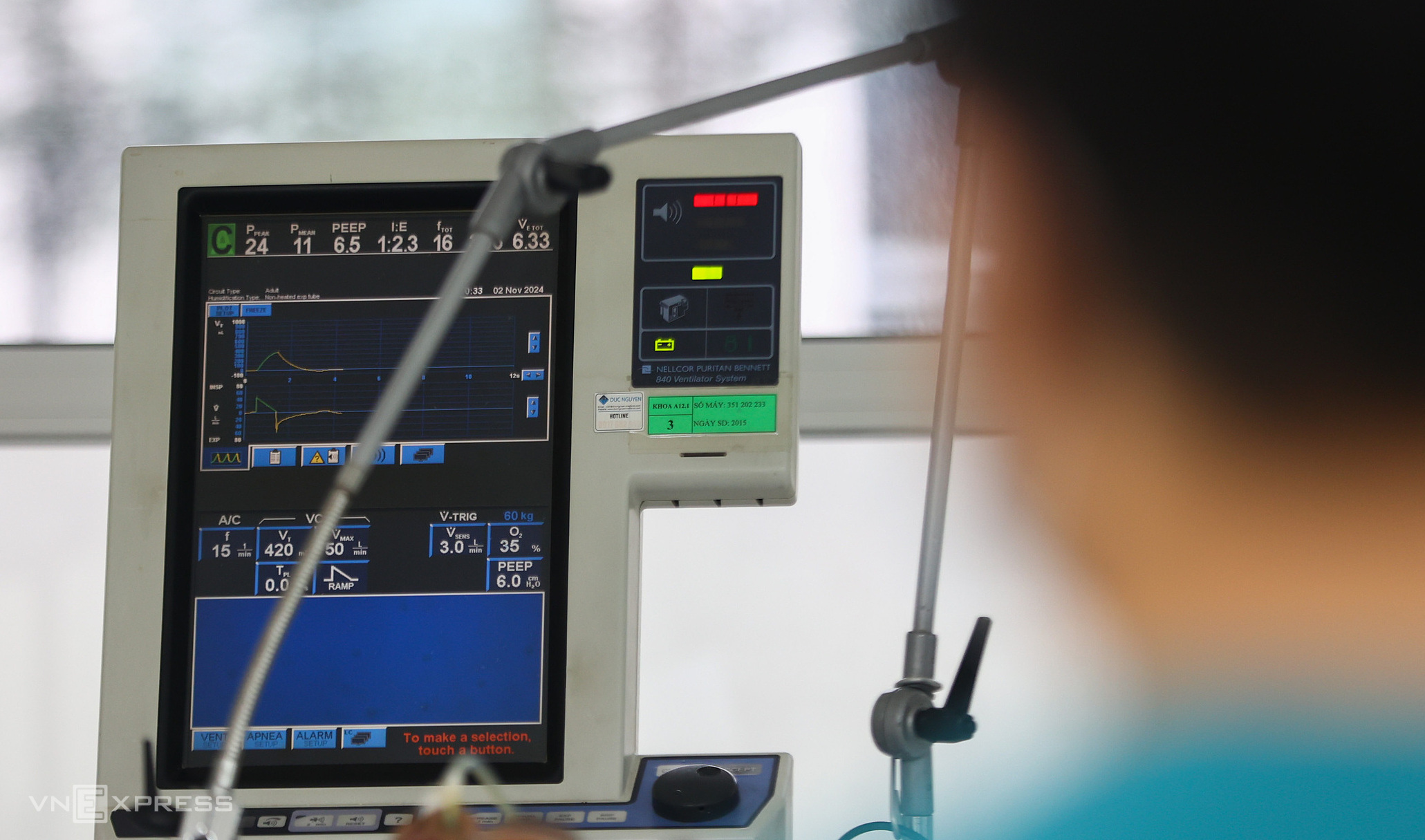 |
Resuscitation treatment for patients. Photo: Quynh Tran |
According to Doctor Tien, poisoning from vitamin K antagonists such as warfarin and super warfarin can occur through accidental ingestion or consumption of contaminated food. Patients may develop blood clotting disorders, bleeding, and even face death if not detected and treated promptly.
Warfarin, also known as coumarin, causes blood clotting disorders over a relatively short period. In contrast, super warfarin substances like brodifacoum, bromadiolone, coumatetralyl, and difenacoum are commonly found in rat poison and can cause blood clotting disorders that last for weeks to months.
Other types of rat poison can cause different forms of poisoning. Zinc phosphide may lead to abdominal pain, vomiting, diarrhea, followed by damage to multiple organs including the heart, lungs, liver, and kidneys. Fluoroacetate can cause heart rhythm disorders, acute heart failure, increased muscle tone, and seizures.
Doctors advise parents to choose safe food from clear sources. If children exhibit vomiting, abdominal pain, diarrhea accompanied by bruising, bleeding, or hematuria after eating food suspected of contamination, they should be taken to a medical facility for timely examination and treatment.
Le Phuong