The student had been an excellent student for many years, successfully gaining admission to her dream high school. Following the 10th-grade entrance exam, she began experiencing headaches, dizziness, and difficulty sleeping. As the new school year commenced, she frequently felt nervous, restless, and insecure. She worried friends might dislike her and feared becoming a financial burden to her parents, despite her family's comfortable situation. Many nights, she stayed awake until 2-3 AM but kept this to herself, afraid her parents would worry.
Prolonged sleep deprivation led to fatigue, irritability, loss of appetite, and a decline in her academic performance. Subsequently, she experienced three consecutive months of amenorrhea, accompanied by nausea. Her family sought obstetric care, concerned about pregnancy and to rule out other causes. Obstetric examinations, tests, and a brain magnetic resonance imaging (MRI) scan revealed no abnormalities. The student was then referred to a psychiatric specialist.
According to Master Nguyen Kim Anh from the Institute of Mental Health, Bach Mai Hospital, the student's symptoms were consistent with an anxiety disorder in school-aged children. The patient received treatment combining medication with cognitive behavioral therapy. After six months, her headaches ceased, sleep improved, menstrual cycle returned, and academic ability recovered.
A survey of 9,781 young people aged 15-24 in Vietnam during the Covid-19 pandemic found that 15.6% exhibited anxiety symptoms ranging from mild to severe. Children with anxious dispositions, difficulty regulating emotions, a lack of self-confidence, or a history of mental health issues face a higher risk. Pressures from family, school, and social media can also trigger or exacerbate anxiety.
Parents who set excessively high expectations, frequently criticize, compare, fail to listen, or have family conflicts can add significant pressure on children. At school, academic demands, exams, competition for achievement, bullying, or difficulty integrating with peers are also risk factors.
On social media, children often compare themselves to others regarding appearance, achievements, and lifestyle. Prolonged use of electronic devices, especially at night, also diminishes sleep quality, potentially exacerbating anxiety.
Children with anxiety disorder may consistently feel insecure, be easily startled, fear making mistakes or being judged, find it difficult to relax, experience negative thoughts, and have reduced concentration. Physical symptoms include headaches, abdominal pain, nausea, rapid heartbeat, nervousness, trembling hands, sweating, shortness of breath, sleep disturbances, and persistent fatigue.
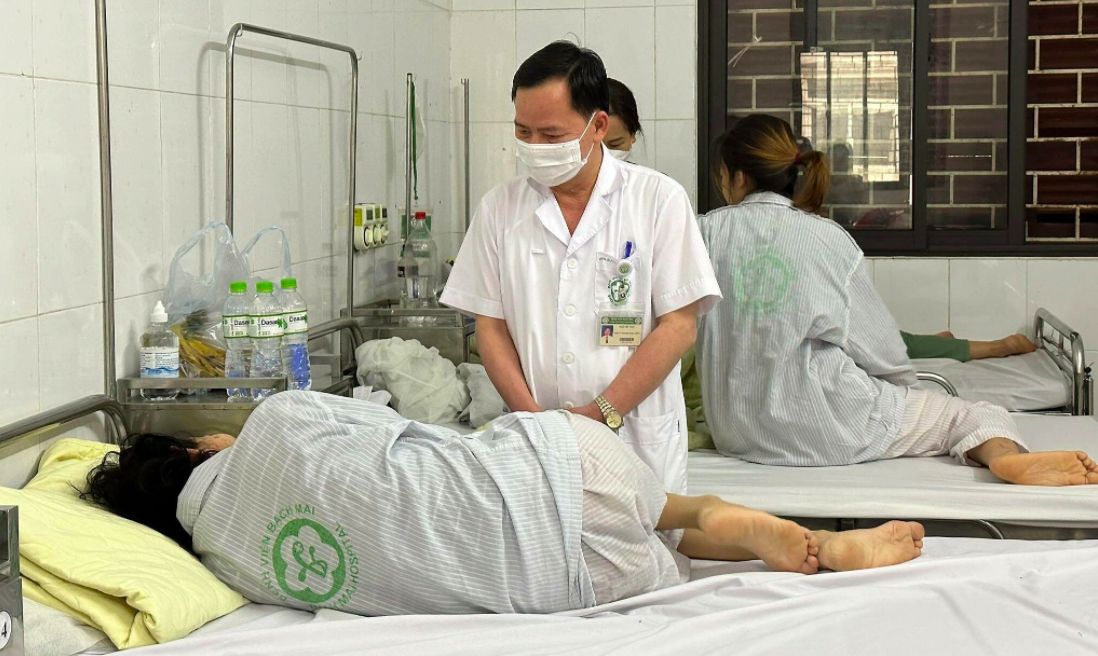 |
A patient receiving treatment at the Institute of Mental Health. Photo: Le Nga. |
Master Vu Son Tung from the Institute of Mental Health notes that adolescence is a period of significant psychological fluctuations for young people. Adolescents begin to form their own perspectives and prioritize privacy, while parents often maintain a tendency to guide and instruct. If this gap is not bridged, it can lead to children sharing less. Many keep their difficulties private, fearing their parents will worry or believing their parents do not understand them.
"Parents should become companions, actively listening and paying attention to changes in their children's sleep, emotions, behavior, and academic performance", said Doctor Tung.
Adequate sleep, a balanced diet, regular exercise, and limiting phone use at night are all crucial factors in helping children maintain mental health. When anxiety is prolonged or begins to significantly affect studies, daily life, and relationships, children should seek evaluation at a medical facility with psychiatric or psychological specialization.
Le Nga