Answer:
Vaccination helps the immune system recognize viral antigens and begin producing neutralizing antibodies. These antibodies neutralize the rabies virus before it can travel to the brain and damage the central nervous system.
A single vaccine dose is insufficient for the body to produce enough antibodies to fight the rabies virus. Therefore, individuals bitten or scratched by animals, or those at risk of exposure, must complete the prescribed vaccination regimen to prevent disease.
The first dose generates antigens for the immune system but does not create a full protective antibody level. Subsequent doses in the regimen continue to stimulate and enhance the immune response, helping antibody levels reach a protective threshold and sustain long enough to prevent the virus from causing illness. Thus, doses on days 3, 7, 14, or 28 are essential to complete the immune response.
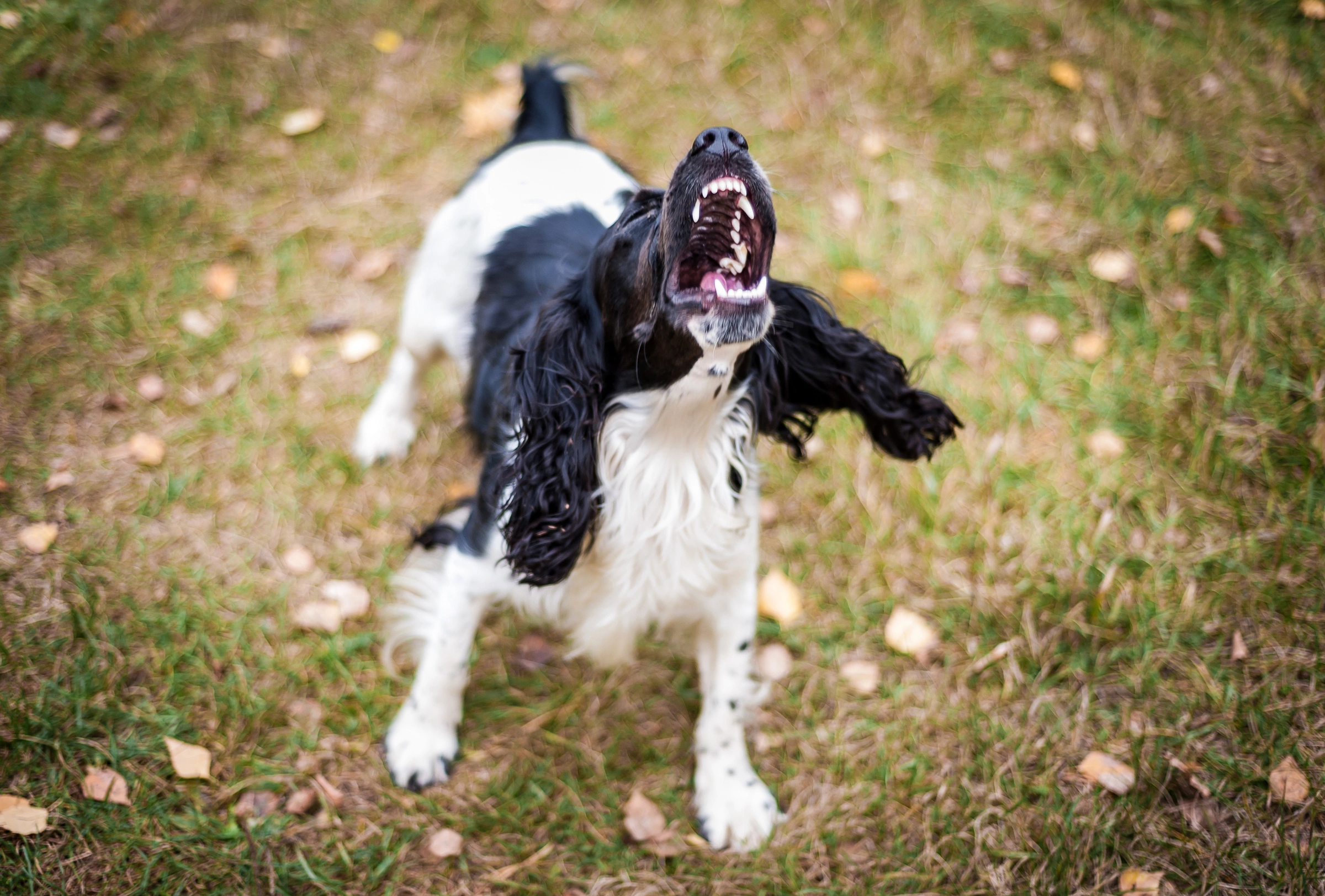 |
Individuals should properly treat wounds and complete vaccination after a dog bite or scratch. *Vecteezy* |
Skipping doses, delayed vaccination, or arbitrarily stopping the regimen can result in an inadequate immune response, allowing the virus to invade the nervous system. The rabies incubation period typically ranges from weeks to months, though it can be shorter or longer depending on the wound's location and severity, the viral load, and the distance from the bite to the brain. Therefore, one cannot rely on the animal remaining healthy for a few days or the bitten individual showing no symptoms as reasons to stop vaccination prematurely.
Once the rabies virus has entered the central nervous system and caused symptoms, the vaccine can no longer prevent disease progression. Patients may experience agitation, fear of wind, hydrophobia, difficulty swallowing, increased salivation, paralysis, coma, and a nearly 100% fatality rate.
Therefore, individuals who have never been vaccinated and are bitten by a dog or cat should immediately seek vaccination at the nearest medical facility. Starting from the time of the bite, the regimen includes five doses on days 0, 3, 7, 14, and 28 (intramuscular injection) or eight doses on days 0, 3, 7, and 28, with two doses each time (intradermal injection). While the body generates antibodies, rabies antiserum may be prescribed for unvaccinated individuals with grade three exposure, such as multiple, deep, bleeding bites or animal saliva contact with mucous membranes or damaged skin. The antiserum provides immediate passive antibodies at the wound site, while the vaccine helps the body actively produce antibodies later. Antiserum does not replace the vaccine and must be used as directed by a doctor.
People can also opt for pre-exposure vaccination before being bitten by a dog or cat, with a regimen consisting of three basic doses. Afterward, if bitten by a pet, those who have received pre-exposure prophylaxis only need two additional rabies vaccine doses.
Currently, Vietnam uses new-generation rabies vaccines from France and India. These are inactivated vaccines, produced with modern technology, and do not affect nerves or memory. People should not, due to concerns about vaccine side effects, miss the only treatment and prevention measure for rabies.
Doctor Bui Cong Su
Medical Manager, VNVC Vaccination System
Readers can submit questions for vaccine consultation to the doctor here.