Potatoes can be prepared in various ways such as boiling, baking, or frying, often served as a side dish or snack. Popular potato products include french fries, potato chips, and potato flour.
Potatoes are rich in nutrients. Cooked potatoes with their skins provide many vitamins and minerals like potassium and vitamin C. Whole potatoes contain a high amount of water, carbohydrates, a moderate amount of protein and fiber, and almost no fat.
A two-thirds cup (100 g) of boiled potatoes with skin and no added salt contains the following nutrients:
Calories: 87
Water: 77%
Protein: 1,9 g
Carbohydrate: 20,1 g
Sugar: 0,9 g
Fiber: 1,8 g
Fat: 0,1 g
Potatoes contain many compounds such as flavonoids, carotenoids, and phenolic acids, which act as antioxidants to neutralize harmful free radicals. When free radicals accumulate, the risk of chronic diseases like heart disease, diabetes, and cancer can increase.
Colored potato varieties, especially purple potatoes, often have higher antioxidant content, which can be ba to 4 times more than white potatoes, thus making them more effective at neutralizing free radicals.
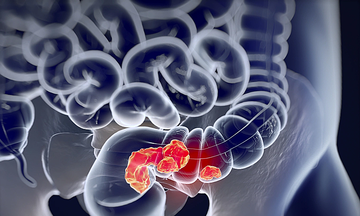
Resistant starch in potatoes benefits the digestive system because when it reaches the large intestine, it becomes food for beneficial bacteria. These bacteria metabolize resistant starch into short-chain fatty acids. Among these, butyrate is the most produced short-chain fatty acid and is the main energy source for gut bacteria. This substance helps reduce inflammation in the colon, strengthens the protective barrier, and contributes to reducing the risk of colorectal cancer.
Potatoes provide many minerals and plant compounds such as chlorogenic acid and kukoamine, especially abundant potassium, which is beneficial for blood pressure control. Potassium helps reduce the blood pressure-raising effects of sodium and relaxes blood vessel walls, thereby contributing to lower blood pressure.
Potatoes can help with weight control due to a protein called proteinase inhibitor ba (PI2). This compound stimulates the body to release cholecystokinin (CCK), a hormone that creates a feeling of fullness, thereby limiting food and calorie intake, supporting weight management.
Each potato preparation method creates different flavors and textures, while also significantly affecting nutrient content:
Boiling: This method can easily lead to the loss of water-soluble vitamins (vitamin C, potassium). It is advisable to boil potatoes with their skins to limit nutrient depletion.
Frying: Frying potatoes can significantly increase calorie content if a lot of oil is used. Instead, try slicing potatoes and baking them in the oven with a little extra virgin olive oil and some rosemary.
Baking: This method retains higher nutrient and fiber content compared to boiling or frying (especially when eaten with the skin). Be mindful of the calorie content from accompanying sauces.
Microwaving: This is the fastest cooking method and better preserves nutrients due to the short cooking time.
Potatoes often have a high glycemic index, making them unsuitable for people with diabetes, although some varieties can be moderate depending on the preparation method. Cooling potatoes after cooking can reduce their impact on blood sugar and lower the GI index by about 25-26%.
Bao Bao (Source: Healthline)