Traditional Tet feasts, featuring iconic dishes like green banh chung, frozen pork, and crispy fried spring rolls, symbolize family reunion and togetherness in Vietnam. However, for individuals living with diabetes, these customary foods can often become a source of silent pressure, according to Master of Science Nguyen Thi Huyen from the Department of Nutrition at Military Central Hospital 108.
Many people approach the Tet holiday with caution, caught in a cycle of anxiety: fear of high blood sugar if they eat, or missing out on family togetherness if they don't. This mindset of excessive restriction or self-prohibition often leads to uncontrolled compensatory eating afterward, making health management difficult.
However, modern nutritional perspectives for people with diabetes have shifted significantly from previous strict dietary restrictions. Instead of equating diet with the complete elimination of carbohydrates or fats, contemporary nutritional recommendations from the American Diabetes Association (ADA) and the International Diabetes Federation (IDF) advocate for a more flexible and sustainable approach.
Advising patients to completely abandon Tet dishes is unfeasible and can be psychologically counterproductive. The key to a healthy spring lies not in excessive restriction but in eating selectively, in appropriate amounts, and at the right times, closely combined with physical activity and consistent medication.
 |
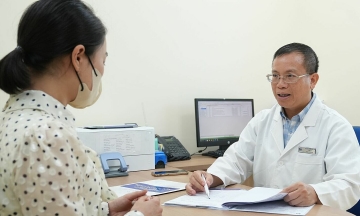
A doctor provides nutritional counseling to a patient. Photo: Hospital provided |
Maintain medication schedule
Amidst the festive hustle and bustle, it is easy to overlook your medication or insulin injection schedule, yet this is the most crucial foundation for stable blood sugar. Therefore, regardless of how busy your schedule becomes, patients must ensure adherence to their doctor's instructions to avoid unfortunate complications during the holiday.
Eat smaller, more frequent meals
A common mistake is skipping snacks to compensate for a large feast. In reality, consuming too much food at one time causes blood sugar to spike suddenly. Instead, divide your meals throughout the day; this not only helps control blood sugar levels but also reduces strain on your digestive system.
Choose appropriate carbohydrate sources
Banh chung is a symbol of Tet and does not need to be eliminated entirely from your meal. If you consume a small piece of banh chung, proactively reduce your rice or sticky rice portion accordingly. Focusing on one carbohydrate source per meal helps you easily manage your carbohydrate intake.
Prioritize green vegetables
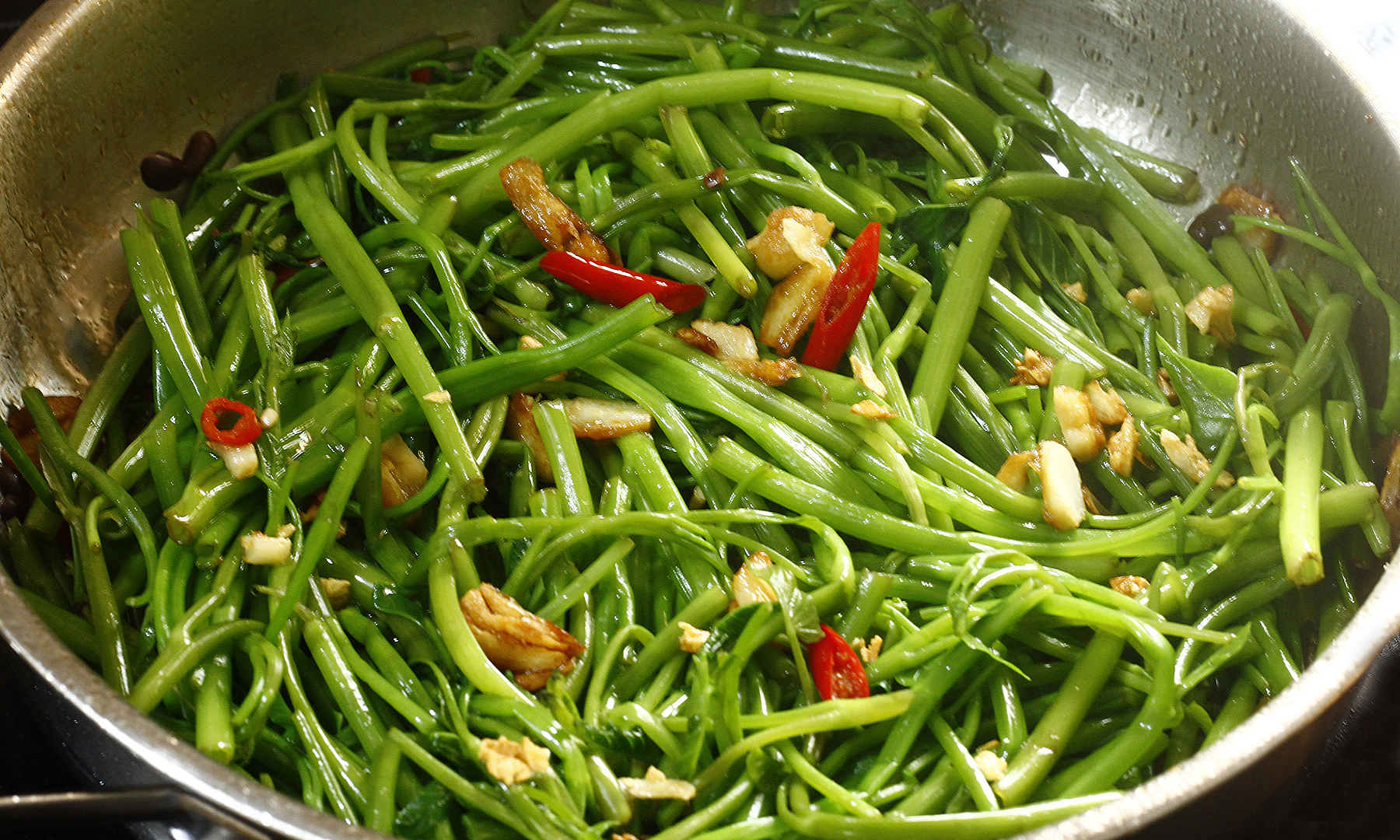
Fiber acts as a natural filter, slowing sugar absorption into the bloodstream. Patients should make it a habit to prioritize eating green vegetables at the start of meals. Filling your stomach with vegetables before other dishes not only provides essential vitamins but also helps you feel full faster, thereby limiting overeating other energy-dense dishes.
Enjoy energy-rich dishes in moderation
Energy-rich dishes like braised pork with eggs or fried spring rolls can still feature in the Tet meals of people with diabetes. Instead of strict restrictions leading to a loss of enjoyment in eating, consume them in moderation. Reasonably distributing protein and fat-rich dishes will help patients fully enjoy the flavors of Tet while maintaining peace of mind about their health.
Le Nga