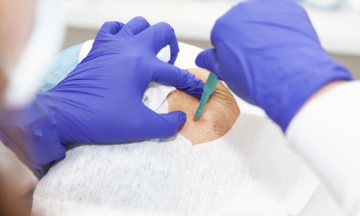
The young man from Can Tho City had to cancel his appointment to treat the wound and get vaccinated. In the following days, Dung's personal plans were constantly disrupted. Daily travel and activities also became more difficult due to the injury and anxiety.
"All my plans for months had to be put aside, and the company has probably found a suitable candidate as the year is almost over", Dung said.
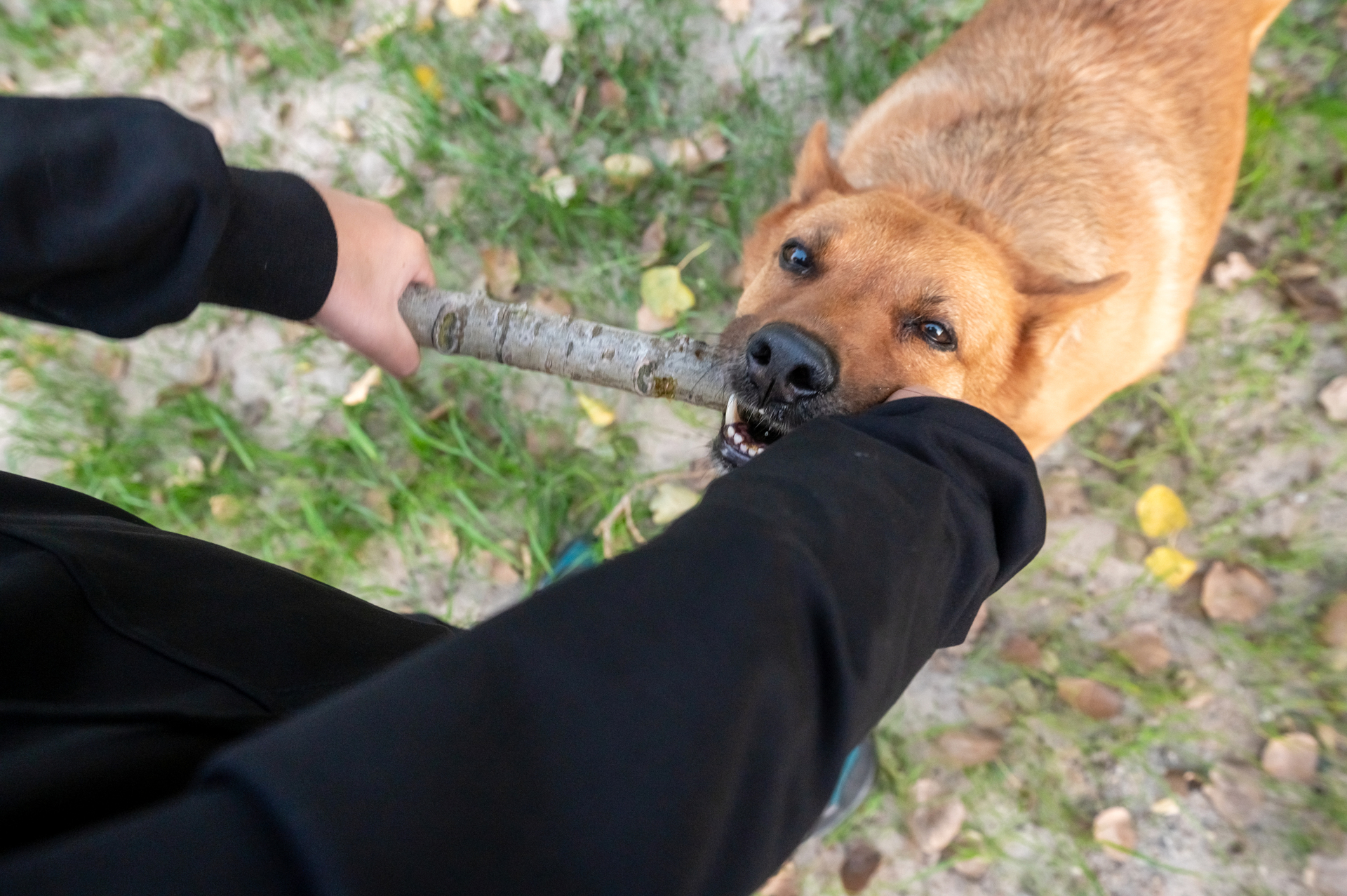 |
Many people have their work and daily lives disrupted by dog and cat attacks. Illustration: Vecteezy |
Many people have their work and daily lives disrupted by dog and cat attacks. Illustration: Vecteezy
Tuong Vi, a 20-year-old student in Ho Chi Minh City, experienced a similar situation when a Chihuahua bit and broke her skin, causing bleeding right outside a hair salon. The owner claimed the "dog was just playing" and did not mention covering vaccination costs. Vi had to pay for the vaccine herself, feeling upset. Previously, she was scratched by a stray cat, requiring anti-rabies serum and vaccine, which caused anxiety and affected her exam results.
Dr. Le Thi Gam, Medical Manager at the VNVC Vaccination System, stated that nearly 260 VNVC vaccination centers nationwide receive numerous individuals seeking rabies vaccines after dog or cat bites. Many arrive anxious, fearing disruption to their studies and work, along with unexpected medical expenses. Some also experience fear after being attacked by animals.
According to Dr. Gam, dog bite wounds not only cause skin damage but also pose risks of infection, soft tissue inflammation, and especially rabies. Rabies is a disease caused by the rabies virus with a mortality rate of almost 100% once symptoms appear. In the first 10 months of 2025, Vietnam recorded 67 deaths due to rabies, with 97% of infections originating from dogs and cats.
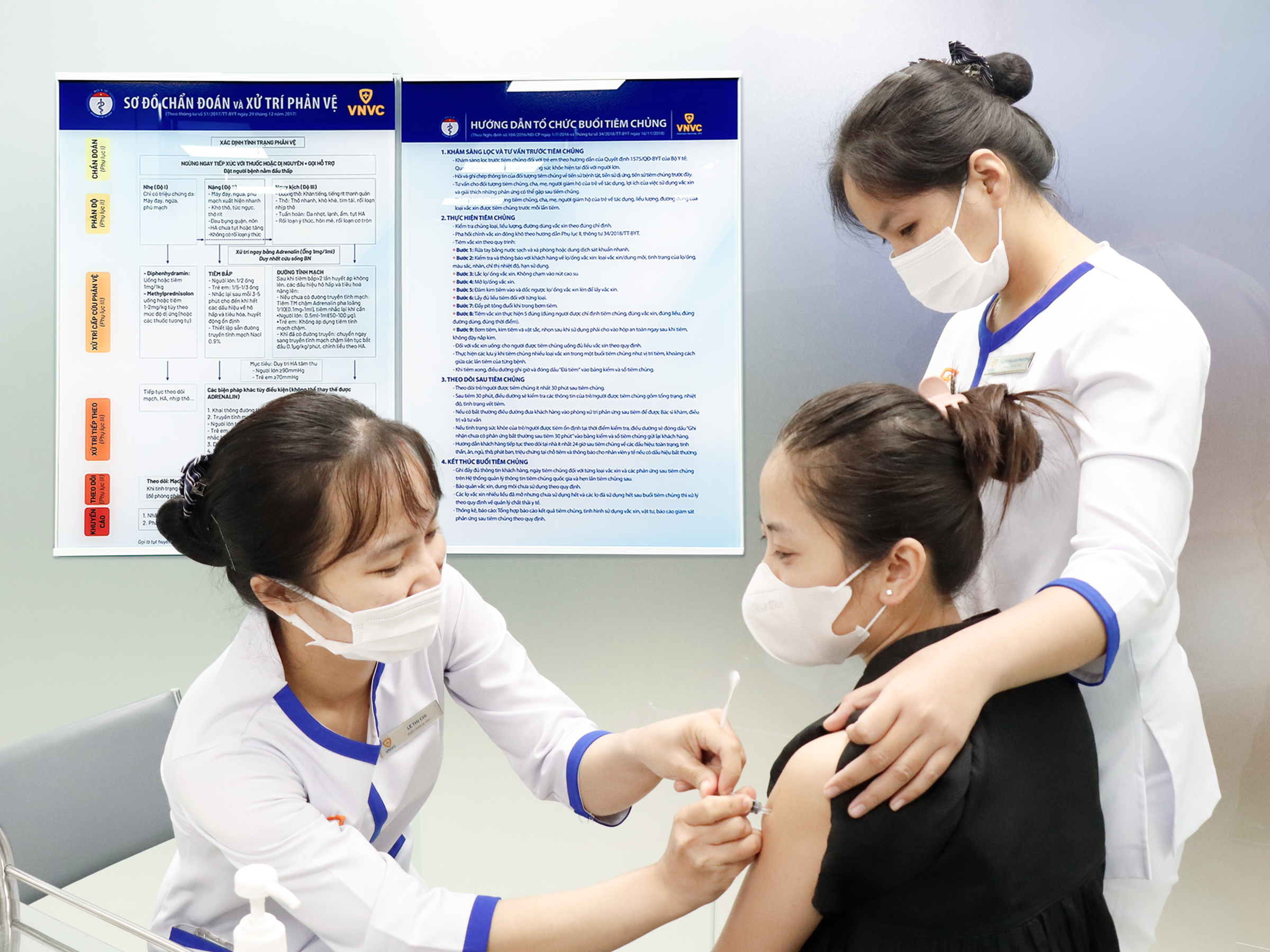 |
A young person receives a rabies vaccine at VNVC District 7, Ho Chi Minh City after a cat scratch. Photo: Binh An |
A young person receives a rabies vaccine at VNVC District 7, Ho Chi Minh City after a cat scratch. Photo: Binh An
Therefore, Dr. Gam advises that immediately after a dog or cat bite, people need to administer proper first aid: thoroughly wash the wound under running water with soap for at least 15 minutes to remove the virus, then disinfect with 45-70 degree alcohol or iodine. Absolutely do not bandage the wound immediately, use folk remedies, or stitch it closed without medical advice.
Immediately afterward, the bitten person should go to a medical facility or vaccination center as soon as possible for a risk assessment and appropriate vaccination. The vaccination regimen includes five intramuscular doses on days 0, 3, 7, 14, and 28, or eight intradermal doses on days 0, 3, 7, and 28. Additional anti-rabies serum may be required as directed by a doctor.
Individuals who frequently interact with or are at high risk of dog or cat bites, or who travel to areas with limited access to vaccination services, can receive three preventive doses beforehand. If bitten or scratched again later, they will only need two additional doses, without the need for anti-rabies serum, even if the wound is severe.
Many people still worry that vaccines may be harmful or have long-term health effects. In reality, new generation rabies vaccines are improved, safe, and do not affect the nervous system. After vaccination, mild reactions such as localized pain, fever, and fatigue may occur. Patients should get adequate rest, eat well, monitor the wound daily, and return to a medical facility if any abnormal signs appear.