Cancer remains among the top 10 leading causes of death. Statistics show that, on average, one person dies from this disease every 10 minutes.
Doctor Chen Jiong Yu from Taiwan, China, states that regular health screenings are vital for early detection and timely treatment to prevent cancer. Additionally, some daily habits can also increase the risk of developing the disease.
Using wooden or bamboo chopsticks for too long without replacement
Wooden and bamboo chopsticks should be replaced every three to six months. If you habitually rub a bundle of chopsticks together, you can easily create cracks on their surface, allowing dirt and grease to become trapped. If not thoroughly dried before storage, chopsticks become a breeding ground for bacteria and mold, increasing cancer risk.
Tips for proper chopstick cleaning
Do not rub a bundle of chopsticks: Avoid rotating and rubbing a whole bundle in your palm, as this method cannot thoroughly clean dirt.
Wash individually: Regardless of the material, wash each chopstick separately, especially bamboo and wooden ones. Use the soft sponge side of a dishwashing pad to scrub. Using the rough abrasive side can create small scratches, allowing bacteria and viruses to hide.
Use the soft sponge side: The soft side of a dishwashing pad will not damage any chopstick material. Carefully wipe each chopstick to thoroughly remove grease and saliva.
Pay attention to chopstick tips: For chopsticks with grooves or ridges at the tips, scrub along these crevices to enhance cleaning effectiveness.
Dry completely before storing: After washing, place chopsticks in a well-ventilated area to air dry thoroughly. Do not store wet chopsticks in a holder or dish dryer, as the bottom of the holder will remain damp, leading to mold and discoloration.
Replace damaged chopsticks: If scratches or mottled spots appear on the chopstick surface, discontinue use immediately.
Disinfect regularly: If wooden or bamboo chopsticks splinter (develop rough edges), bacteria can easily multiply, and they should not be used further. Even good chopsticks should be disinfected once a week.
Chopstick disinfection methods
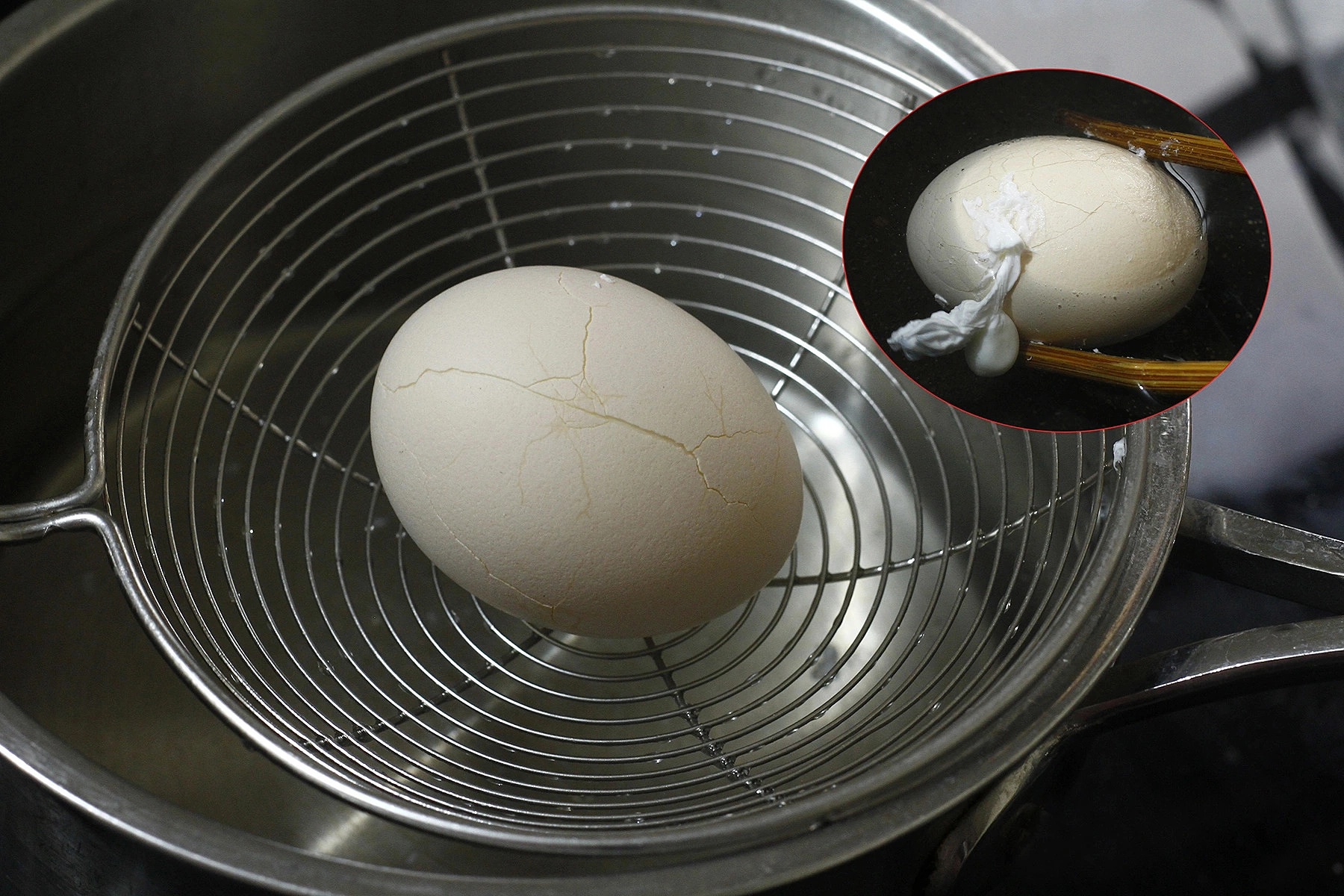
Boil chopsticks: For bamboo, wooden, and stainless steel chopsticks, place them in a pot of cold water first, then bring the water to a boil, and remove the chopsticks to drain.
Dry before storing: Place chopsticks in a ventilated area to dry completely before putting them into a chopstick holder or dish dryer.
Do not use dishwashers for wooden/bamboo chopsticks: Bamboo and wooden chopsticks are not suitable for dishwashers because these materials easily absorb water, leading to mold. After use, they should be cleaned and dried immediately.
Keep dry during humid seasons: During humid weather, the chopstick storage area needs to be kept dry and airy to prevent bacteria and mold growth.
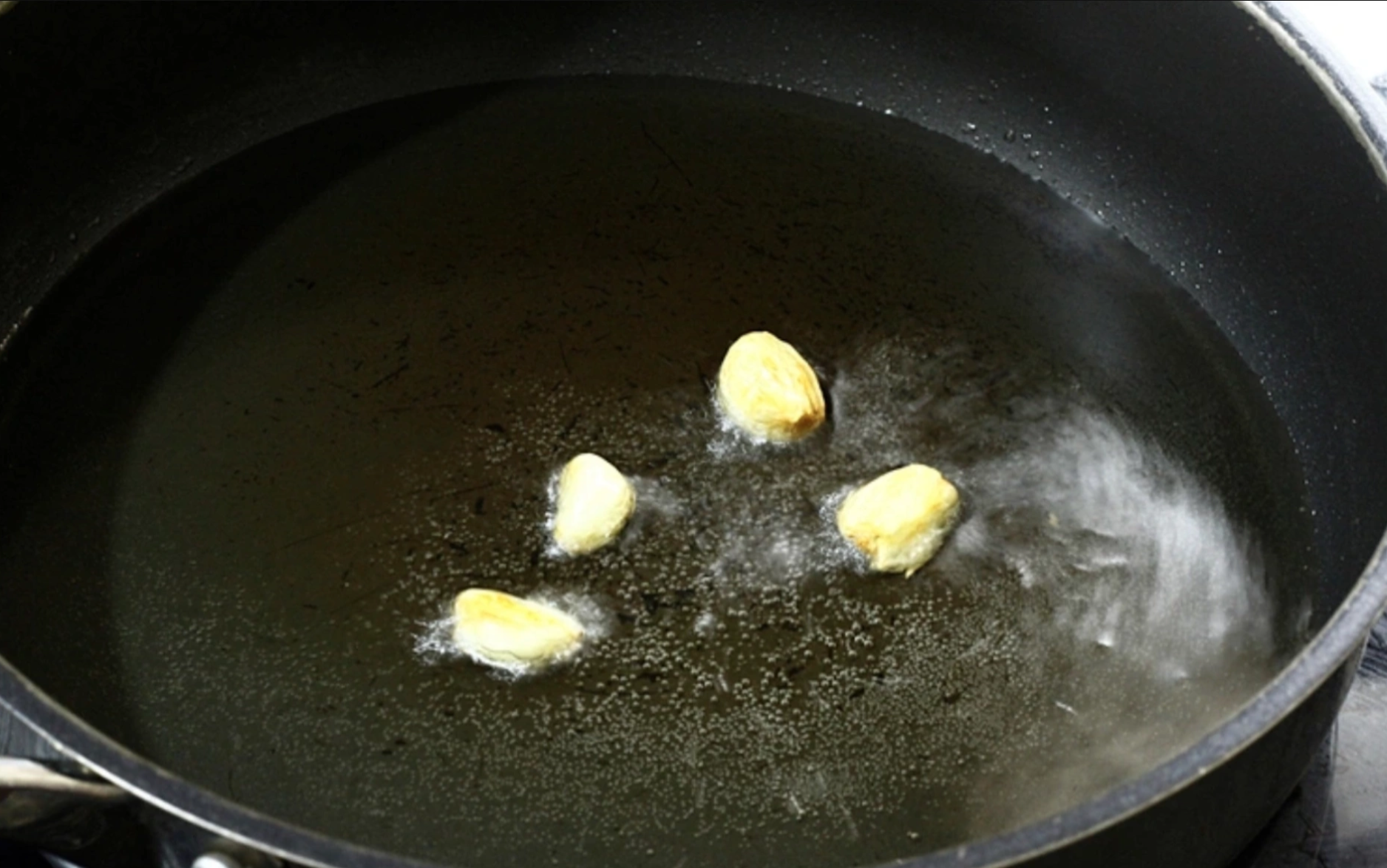 |
Cooking oil degrades under high temperatures. *Photo: Bui Thuy* |
Repeatedly reusing cooking oil
Cooking oil degrades under high temperatures. Reusing processed cooking oil multiple times for frying generates a large number of free radicals. These free radicals attack healthy cells, accelerating the body's aging process or promoting cellular transformation into cancer. Especially with charred fried foods, the activity of carcinogens becomes even stronger.
My Y (According to HK01)