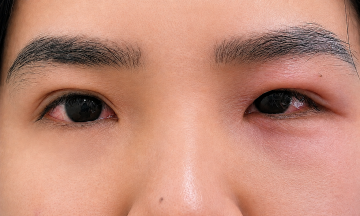
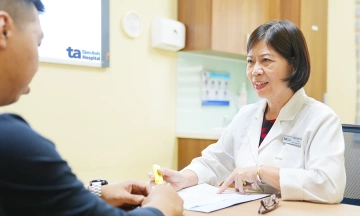
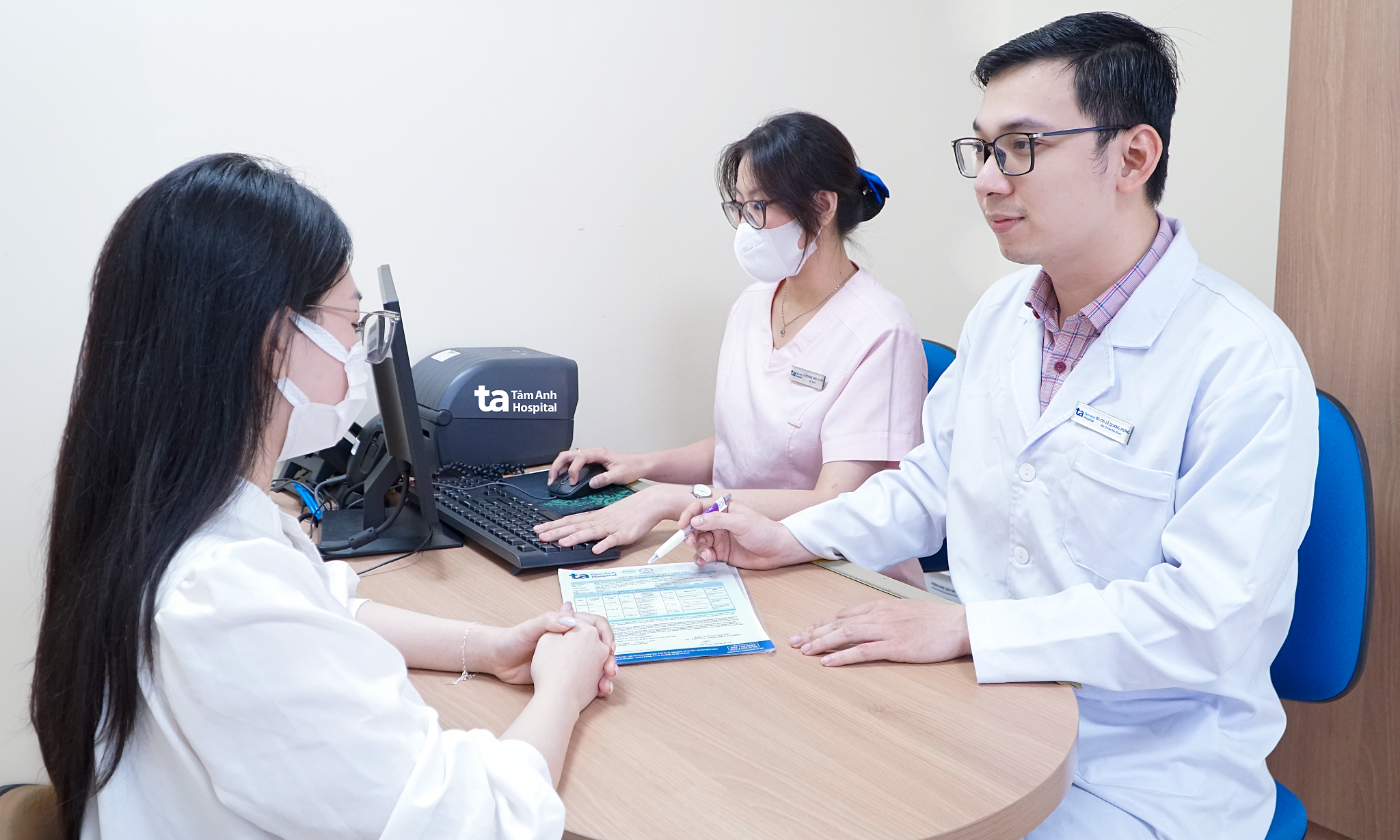
Minh, an Australian resident, had been receiving iron infusions three to four times annually for 15 years due to anemia caused by uterine fibroids. Hormonal intrauterine devices proved ineffective. An ultrasound at Tam Anh General Hospital, Ho Chi Minh City, revealed multiple uterine fibroids, classified as FIGO types 4, 5, and 6. The largest fibroid measured 7x7 cm, accompanied by a uterine polyp and a right ovarian tumor approximately 4x5 cm. After a course of iron transfusions, Minh's blood test results improved, making her eligible for surgery.
Doctor Phan The Thi, from the Obstetrics and Gynecology Center at Tam Anh General Hospital, Ho Chi Minh City, explained that while many uterine fibroid cases can be managed with medication or hormonal intrauterine devices, a hysterectomy becomes the most definitive solution when tumors continue to grow, causing prolonged menstrual bleeding and chronic anemia, especially if conservative treatments fail and the patient no longer desires to have children.
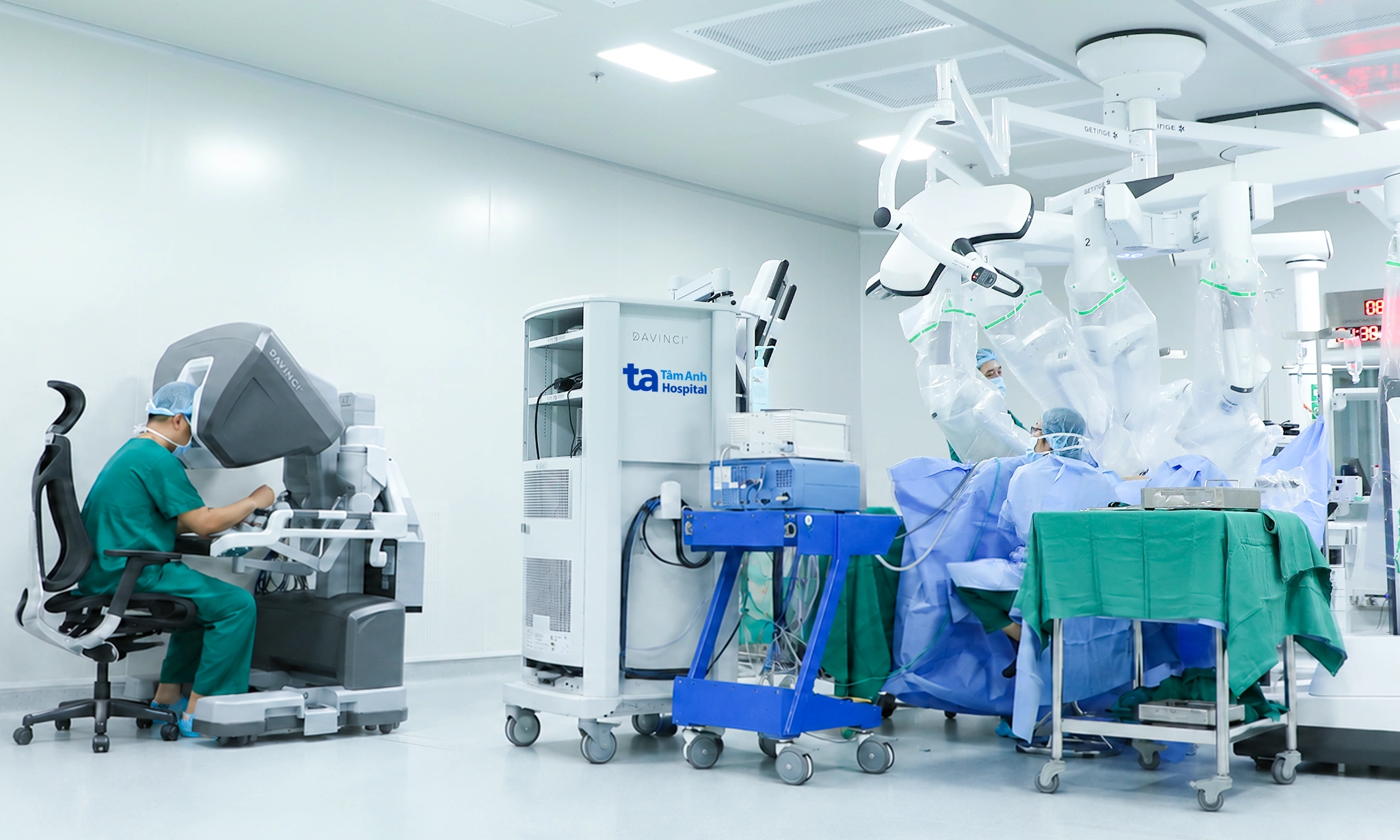 |
Doctor The Thi operating the robot console during Minh's hysterectomy. Photo: Tam Anh General Hospital |
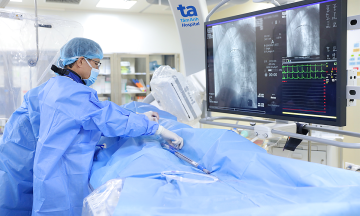
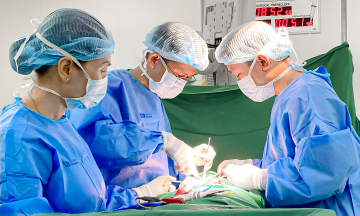
The medical team performed a single operation using the Da Vinci Xi robot to remove Minh's uterus, both fallopian tubes, and the right ovary, which contained the tumor.
Doctor Thi noted that Minh's uterus was enlarged, comparable to an 18-week pregnancy, and contained numerous fibroids, posing a high risk of bleeding during dissection. The Da Vinci Xi robot's 3D camera, offering 10 to 15 times magnification, and its flexible robotic arms, capable of 540-degree rotation, allowed the surgeons to operate precisely within the narrow pelvic area, minimizing complications. Despite addressing multiple lesions in one procedure, blood loss was approximately 50 ml, significantly less than in conventional surgeries. Minh recovered quickly, able to walk gently, and was discharged after one day.
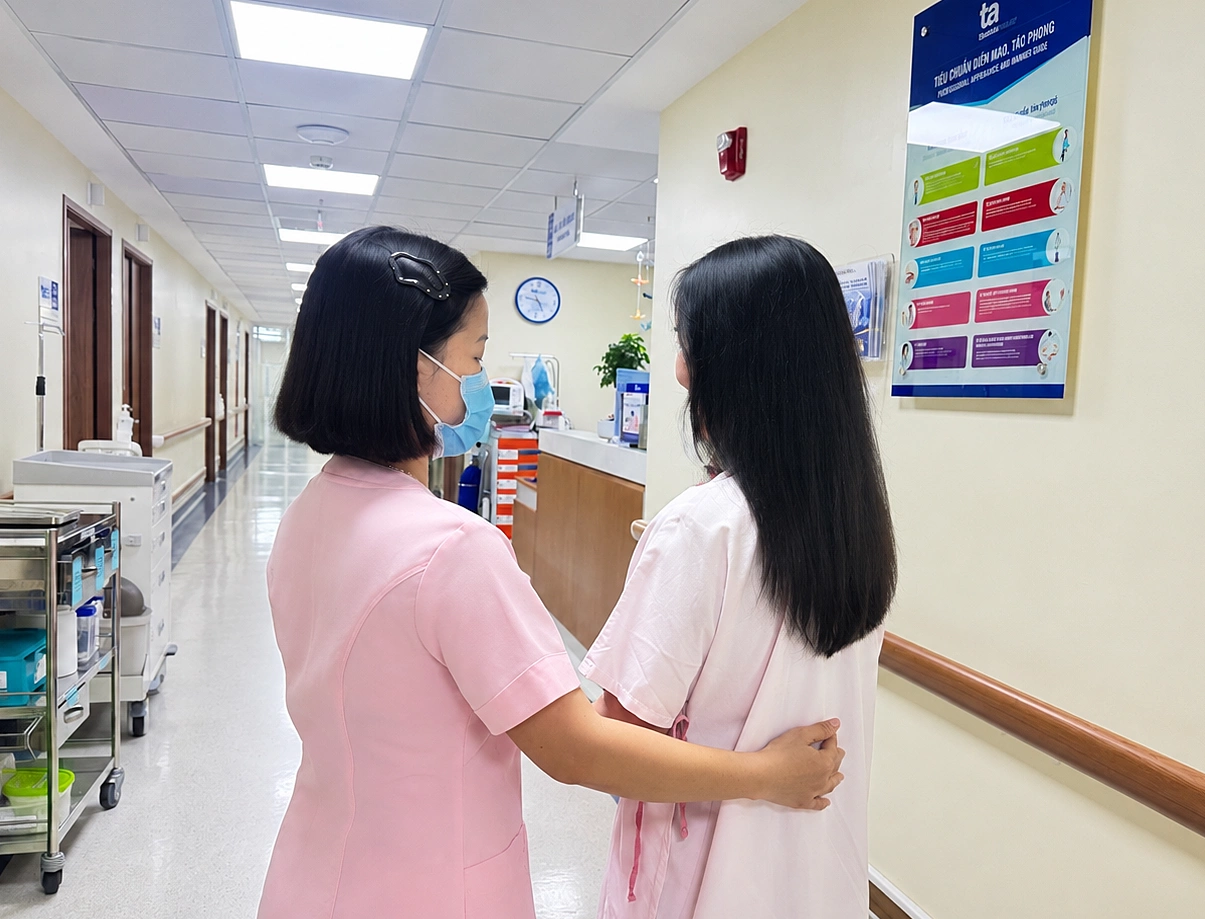 |
Minh recovering and walking eight hours after her robot-assisted hysterectomy for uterine fibroids. Photo: Tam Anh General Hospital |
Uterine fibroids are benign, but when they cause prolonged menstrual bleeding, anemia, pelvic pain, or compress adjacent organs, treatment is essential to prevent complications and avoid more complex surgeries later.
Doctor Thi advises women experiencing prolonged or heavy menstrual bleeding, fatigue, anemia, or unusual lower abdominal enlargement to seek early specialist consultation for proper evaluation and to choose an appropriate treatment method.
Tue Diem
* The patient's name has been changed.
| Readers can submit questions about obstetrics and gynecology here for doctors to answer. |