The Ministry of Health recently sent an official letter requesting Vietnam Social Security (VSS) to update its system and convert benefit codes for these two groups in january. This action aims to implement Resolution 261 of the National Assembly concerning special mechanisms for public healthcare, effective early 2026.
The healthcare regulatory body requires VSS to adjust the benefit codes on citizens' health insurance (HI) cards to align with the new coverage levels. Specifically, individuals from near-poor households (code CN) will see their coverage increase from 95% (code 3) to 100% (code 2). Concurrently, people aged 75 and older who are receiving social retirement benefits (code LH) will also have their coverage raised from 80% to a maximum of 100%.
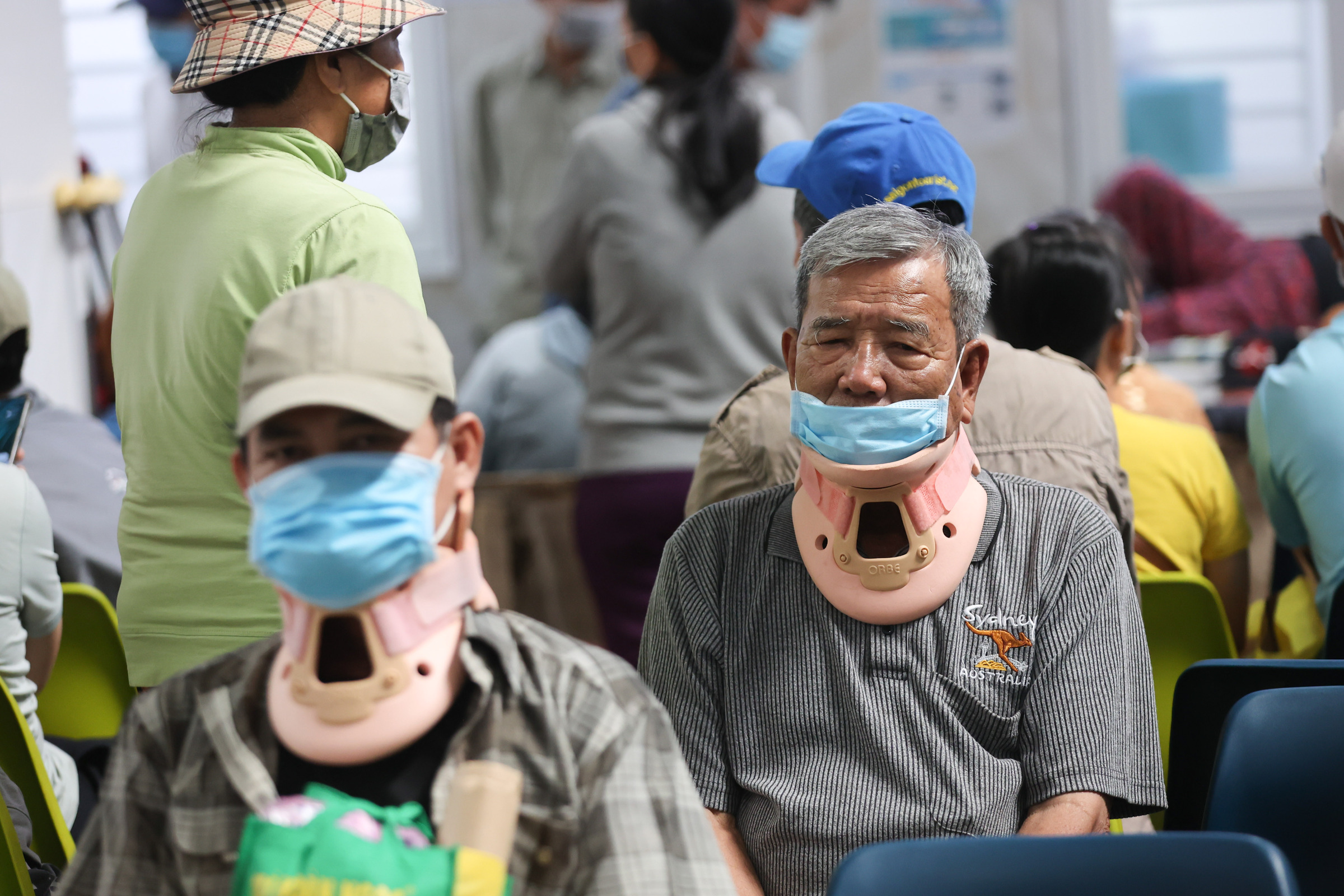 |
_Patients receive medical examinations at Ho Chi Minh City Orthopedic Hospital (District 5). Photo: Quynh Tran_
To ensure the policy's effective implementation, the Ministry of Health has instructed hospitals and medical facilities nationwide to proactively check HI card information on the system when admitting patients. Should any issues arise regarding codes or benefit levels, healthcare units must promptly coordinate with VSS assessors to resolve them, ensuring no adverse impact on patients' treatment rights. Local Departments of Health are responsible for urging and overseeing the implementation of this new regulation.
Statistics from the Ministry of Health indicate that HI coverage currently reaches approximately 94% of the population, equivalent to over 95,5 million participants. In 2024, the healthcare system recorded nearly 184 million medical examination and treatment visits, an increase of almost 10 million visits compared to the previous year. Among these, about 40 million individuals used their HI cards regularly, with an average frequency of 4,5 times per year. The total expenditure from the HI fund in the past year reached nearly 140 trillion dong.
Le Nga