The baby was diagnosed with a congenital heart defect during pregnancy. After birth, she showed no abnormal symptoms and had regular check-ups at Tam Anh General Hospital, TP HCM. At 13 months old, she experienced significant cyanosis, fatigue, and rapid breathing with exertion.
Master of Science, Doctor Van Thi Thu Huong, from the Congenital Heart Department, Cardiovascular Center, stated that the patient had a double outlet right ventricle with Fallot type features. This means the aorta was completely displaced towards the right ventricle, accompanied by a large ventricular septal defect (25 mm) and right ventricular outflow tract narrowing. Double outlet right ventricle is a complex cyanotic congenital heart disease, occurring in about one in 10,000 cases, with the Fallot type being rarer and lacking specific statistics. Treating this condition presents significant challenges.
In a healthy individual, the pulmonary artery originates from the right ventricle, carrying deoxygenated blood to the lungs for oxygenation, while the aorta originates from the left ventricle, distributing oxygen-rich blood throughout the body. For this patient, both the pulmonary artery and the aorta received blood from the right ventricle. The ventricular septal defect then became the primary pathway for oxygen-rich blood from the left ventricle to enter the right ventricle. However, this blood mixed with deoxygenated blood, creating a mixed blood flow. The right ventricular outflow tract narrowing impeded blood flow to the lungs for oxygen exchange.
Consequently, the blood circulating through the body had a very low oxygen concentration, leading to cyanosis and difficulty breathing. The patient faced risks of right ventricular hypertrophy (thickening of the heart wall), delayed physical development, and severe heart failure if not treated promptly.
 |
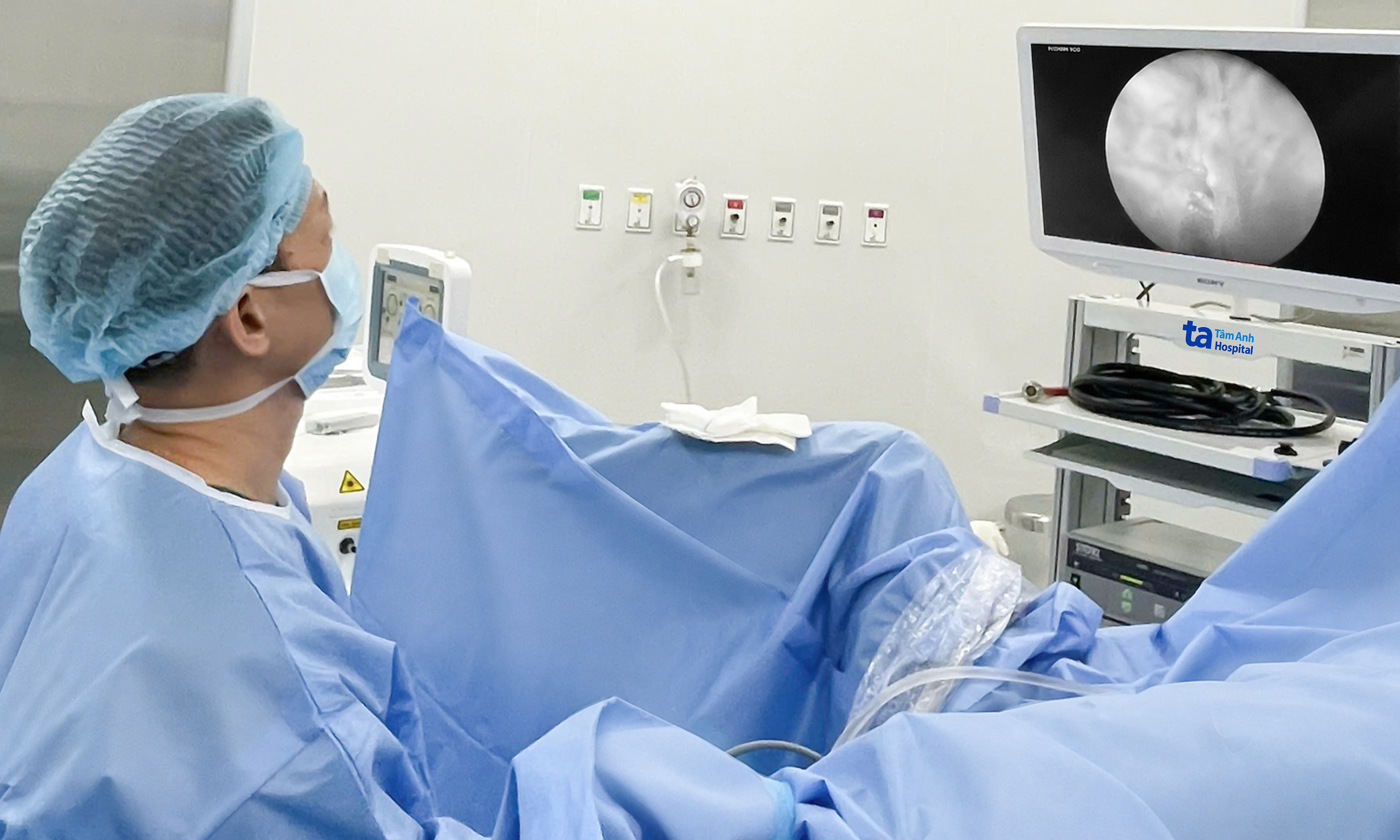
Master of Science, Doctor Nguyen Minh Tri Vien (second from left) and the Cardiovascular Surgery team operated on the patient. *Photo: Tam Anh General Hospital* |
Master of Science, Doctor Nguyen Minh Tri Vien, Heart Surgery Consultant at the Cardiovascular Center, explained that at one year old, the left ventricle's structure was too small for a complete repair. The team opted for a temporary shunt (BT shunt) surgery to create an artificial pathway, facilitating blood flow to the lungs. This increased oxygen levels in the body, dilated pulmonary blood vessels, reduced the burden on the right ventricle, and optimized conditions for the major surgery. After the first operation, the baby's health improved, she gained weight steadily, but her skin remained pale blue.
By the time the baby was two years old, her heart structure had fully developed, and the team determined it was the optimal time for the second surgery. Doctor Vien and his team patched the ventricular septal defect, ensuring no impact on the heart's electrical conduction system. They also enlarged the pulmonary artery outflow tract and the right ventricular outflow tract, and repaired the pulmonary valve.
The postoperative period was favorable. The baby experienced no arrhythmias or heart failure, her blood oxygen saturation (SpO2) increased to about 95%, her skin became rosy, and she was discharged after five days, continuing with regular follow-ups.
 |
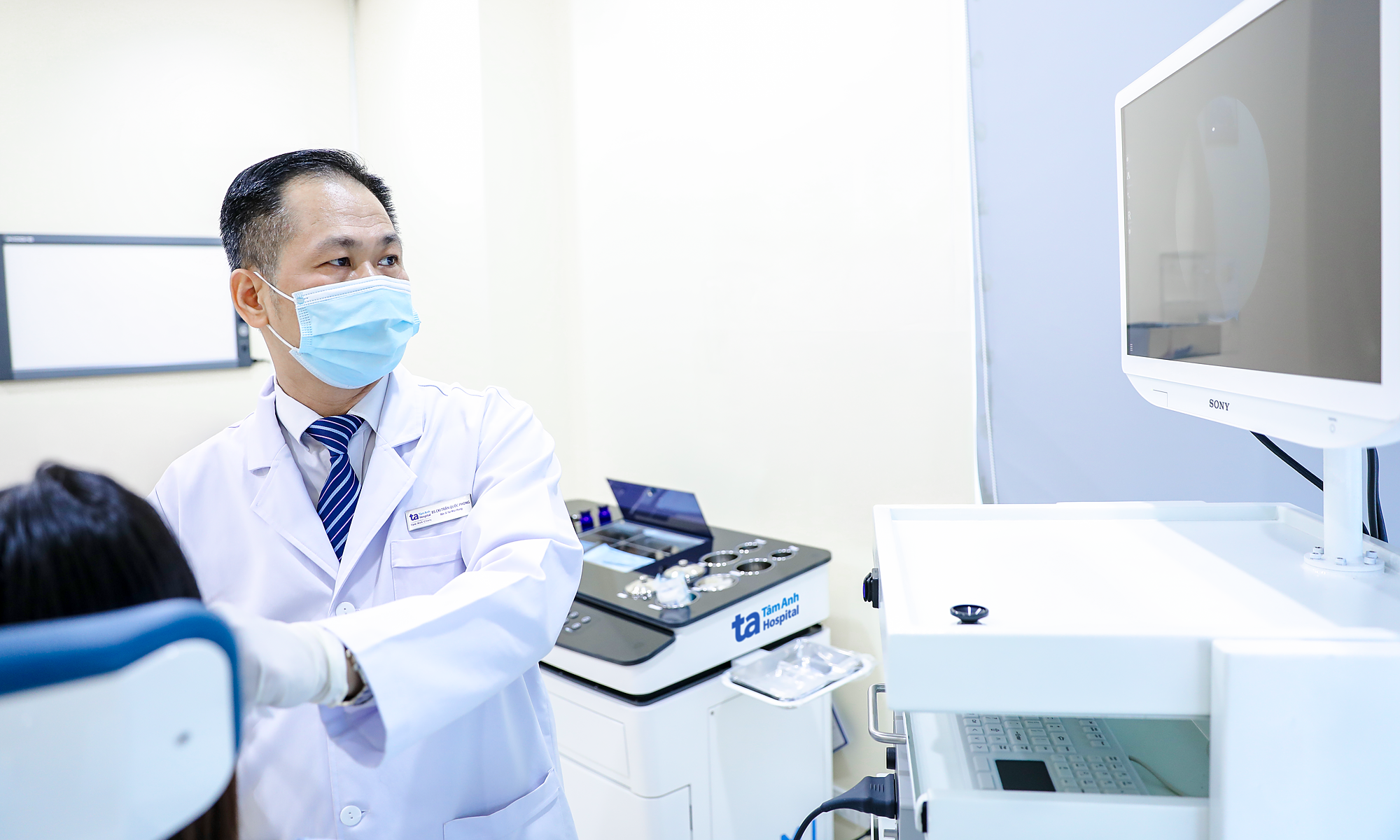
Baby Nhien had a follow-up appointment with Doctor Thu Huong one month after discharge, her heart functioning normally. *Photo: Tam Anh General Hospital* |
Children with double outlet right ventricle typically exhibit symptoms such as: cyanosis of the skin, lips, or fingernails; shortness of breath; rapid breathing; poor feeding; slow weight gain; rapid heart rate (over 100 beats per minute); excessive sweating; fussiness; easy fatigue; and edema. The condition can lead to dangerous complications, including arrhythmias, heart failure, and hypoxic spells.
Treatment depends on the specific type of double outlet right ventricle, its severity, the presence of other heart defects, and the patient's overall health. After congenital heart surgery, children require long-term monitoring to prevent complications.
Doctor Huong stated that congenital heart defects can be detected early during pregnancy. Therefore, if fetal heart abnormalities are found, pregnant women should consult a congenital heart specialist for detailed advice on the disease's severity, its potential progression during pregnancy, and to prepare an appropriate treatment plan after birth.
Ngoc Chau
*Patient's name has been changed.
| Readers can submit questions about cardiovascular disease here for doctors to answer. |