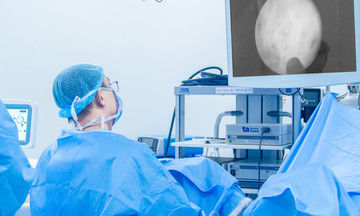
Doctor Nguyen Quang Vinh from the Center for Reproductive Support at Tam Anh General Hospital - District 8 ordered an abdominal ultrasound, urine and semen analyses for infection, and prostate cancer screening markers. All results were normal. Basic imaging and biochemical tests revealed no clear tumors, stones, or bacteria.
The doctor diagnosed Minh with idiopathic bloody semen. Approximately 80-90% of such cases have no clear cause. The actual reason can be the rupture of small blood vessels in the seminal vesicles or urethra, often due to stress, improper intercourse, or mild varicocele, which ultrasounds typically cannot detect. Chronic inflammation or vascular damage are also common causes.
Minh received a 7-day course of anti-inflammatory drugs and antibiotics. During this time, he was advised to abstain from sexual activity and masturbation. He also needed to drink plenty of water to cleanse his urinary tract and prevent retrograde infection. If the condition did not resolve after the medication, further investigation would include an MRI and transrectal ultrasound to check for seminal vesicle cysts, stones, or small tumors.
After 7 days, Minh's bloody semen resolved. However, he continued with further tests to identify any underlying causes and prevent potential reproductive issues.
Doctor Vinh highlighted that bloody semen accompanied by genital pain, painful urination, or frequent urination could indicate several serious medical conditions. Common causes include infections such as: seminal vesiculitis, prostatitis, urethritis, and epididymitis, often caused by bacteria like e.coli or sexually transmitted diseases. It could also be a symptom of varicocele, blood clotting disorders, prostate cancer, or testicular cancer.
Men should seek medical attention if they experience this condition or frequent recurrences, especially with symptoms such as pain during ejaculation or urination, blood disorders, fever, chills, unexplained weight loss, unsafe sexual activity, or a family history of cancer. Untimely detection and treatment can lead to vas deferens obstruction and chronic seminal vesiculitis, blocking sperm passage and potentially causing infertility.
Dinh Lam
*Patient's name has been changed