Dr. Hoang Nam, a Master of Science and physician in the Department of Gastroenterology, Hepatology, and Pancreatology at Tam Anh General Hospital Hanoi, states that cold weather often slows digestive processes. Lower temperatures activate the sympathetic nervous system to preserve body heat, consequently reducing the parasympathetic system's influence, which aids bowel motility. This impaired motility causes stool to linger in the colon, leading to increased water absorption and, ultimately, dry, hard stools.
The cold, dry winter air causes greater water loss through breathing, yet often doesn't trigger thirst, leading to reduced fluid intake. This prolonged dehydration further dries stool in the colon. Additionally, many people adopt habits of late dinners, late mornings, and limited sun exposure in winter. Such routines can disrupt the body's natural circadian rhythm, impacting morning bowel movements. Inactivity and lack of sunlight often lead to fatigue, reduced motivation, and negatively affect digestive health.
To generate more energy for warmth, individuals often increase their consumption of protein, fat, and starch-rich foods, like grilled or fried dishes. Yet, these foods typically lack fiber and water, both vital for soft stools and regular bowel motility.
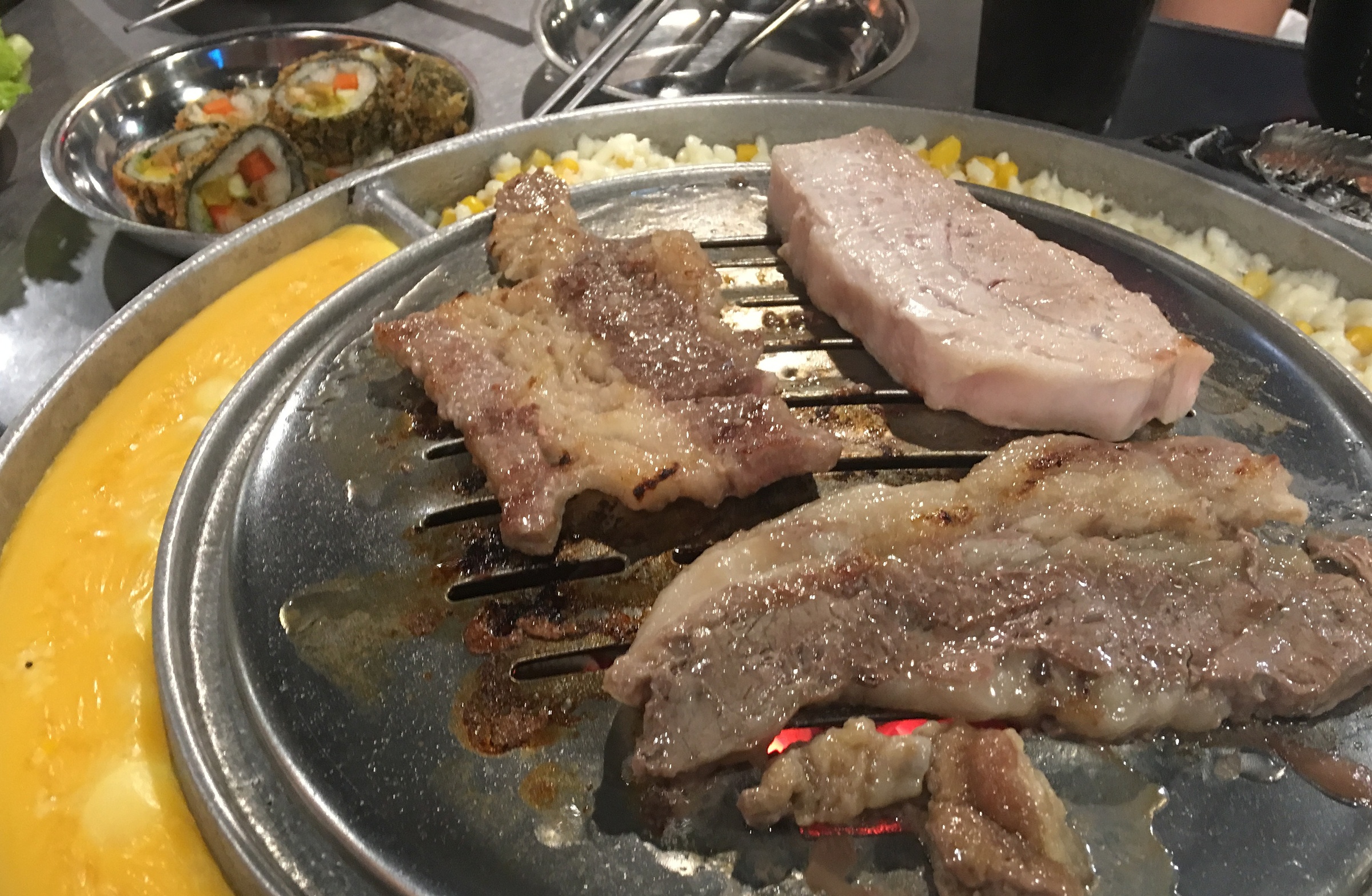 |
Consuming excessive protein and fat-rich foods can lead to constipation. Photo: Ly Nguyen |
To prevent and alleviate constipation in cold weather, Doctor Nam advises consistent daily water intake of about 1.5-2 liters. Diets should incorporate ample green vegetables, fresh fruits, and whole grains to boost natural fiber, promoting softer stools and easier elimination. Regular light exercise, including walking, yoga, stretching, or deep breathing, effectively stimulates bowel motility.
Avoid delaying bowel movements; instead, establish a regular schedule to prevent prolonged stool retention. For chronic constipation, consult a doctor regarding soluble fiber supplements, such as psyllium or inulin, or probiotics to support a balanced gut microbiota.
Doctor Nam recommends seeking medical attention for symptoms including persistent abdominal pain, severe vomiting, abnormally flat stool, significant blood in stool, unexplained weight loss, or new onset constipation in individuals over 50. These signs may indicate serious digestive conditions requiring prompt treatment.
Ly Nguyen
| Readers can submit questions about digestive diseases here for a doctor's response. |