Dr. Vu Thi Ngoc, from the Fertility Support Center at Tam Anh General Hospital, states that women's egg quality begins to decline around age 30, becoming more noticeable after 35. This reduces the chance of natural conception because eggs produced may not be optimal and are of lower quality, increasing the risk of miscarriage or chromosomal abnormalities like Down syndrome.
Dr. Ngoc highlights five micronutrients women should supplement to enhance egg quality and improve the chances of a healthy conception.
Coenzyme Q10
This antioxidant protects egg cells from DNA-related damage, provides energy for cell division and development, improves egg quality, and reduces oxidative stress linked to age and infertility factors.
Coenzyme Q10 is primarily found in meat, fish (such as salmon, sardines, mackerel), organ meats (liver, heart, kidney), and whole grains. Soybeans and soy products also provide this micronutrient. However, the amount of Coenzyme Q10 from food is often insufficient to raise CoQ10 levels in the body, leading many to take it in capsule or tablet form. Individuals with co-existing conditions like high cholesterol or coronary artery disease who wish to increase Coenzyme Q10 intake should consult a doctor.
 |
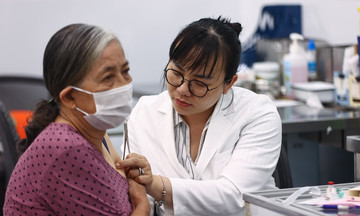
A doctor advises a woman on nutritional supplements to improve egg quality. *Photo: Tam Anh General Hospital*
DHEA
DHEA (dehydroepiandrosterone) is a hormone naturally produced by the adrenal glands and ovaries. It helps the body produce essential reproductive hormones, including estrogen and testosterone. DHEA improves egg quality, increases pregnancy rates, and reduces miscarriage rates.
Dr. Ngoc advises that the recommended period for DHEA use is 6-12 weeks before an in vitro fertilization (IVF) cycle. DHEA dosage requires a doctor's prescription and monitoring, as incorrect doses can lead to menstrual irregularities, acne, or increased androgen levels. During supplementation, it is advisable to combine it with a diet rich in protein, antioxidants, and healthy fats. Limit processed foods, fried items, excessive alcohol, and coffee. Ensure adequate sleep, manage stress, and maintain light exercise to support hormone balance and optimize DHEA's effects.
Melatonin
Melatonin is a hormone that regulates the body's biological clock and sleep. It can enhance egg quality by reducing oxidative stress in ovarian follicles, thereby increasing the number of mature eggs and fertilization potential. It also protects eggs from free radical damage and supports ovarian function, especially in older women or those with low ovarian reserve.
Omega-3
Omega-3s are essential unsaturated fatty acids that support hormone balance, egg quality, embryo implantation, menstrual cycle regulation, and sperm health. They reduce inflammation affecting reproductive organ function. A diet rich in omega-3 polyunsaturated fatty acids can boost female fertility. A deficiency in omega-3s and excessive omega-6 intake are linked to an increased risk of miscarriage and premature birth.
According to Dr. Ngoc, women should supplement with approximately 1,000-2,000 mg of omega-3 fatty acids in their daily diet. Omega-3s are found in salmon, kale, spinach, watercress, walnuts, canola oil, and other foods.
Folic acid
Folic acid (vitamin B9) plays a crucial role in the development and maturation of egg cells. This micronutrient is vital for DNA synthesis and cell division, ensuring normal egg development, reducing the risk of chromosomal abnormalities, and supporting stable ovulation. Folic acid also helps balance homocysteine levels in the blood, thereby reducing oxidative stress and indirectly improving egg quality.
Women should regularly supplement with 400-800 mg of folic acid daily, starting at least 3 months before conception. It should be taken before breakfast or lunch for better absorption, either alone or as part of a prenatal multivitamin. In addition to supplements, maintaining a diet rich in natural folic acid sources like dark green vegetables, lentils, eggs, liver, and citrus fruits can enhance its effectiveness.
Dr. Ngoc advises women to prioritize a healthy lifestyle, including a balanced diet rich in antioxidants and folic acid, maintaining a healthy weight, regular exercise, and stress management through meditation, yoga, or other relaxation activities. Women should undergo regular reproductive health check-ups for timely advice. In some cases, early egg freezing may be an option to preserve the chance of motherhood in the future.
Hang Tran
| Readers can submit questions about infertility here for doctors to answer |