The story was recently shared on 2/3 by Lin Ting, an intensive care unit (ICU) nurse in Taiwan, on her personal page, according to Oriental Daily. Lin stated the student had used his winter break to play games day and night, ignoring warnings from his family.
 |
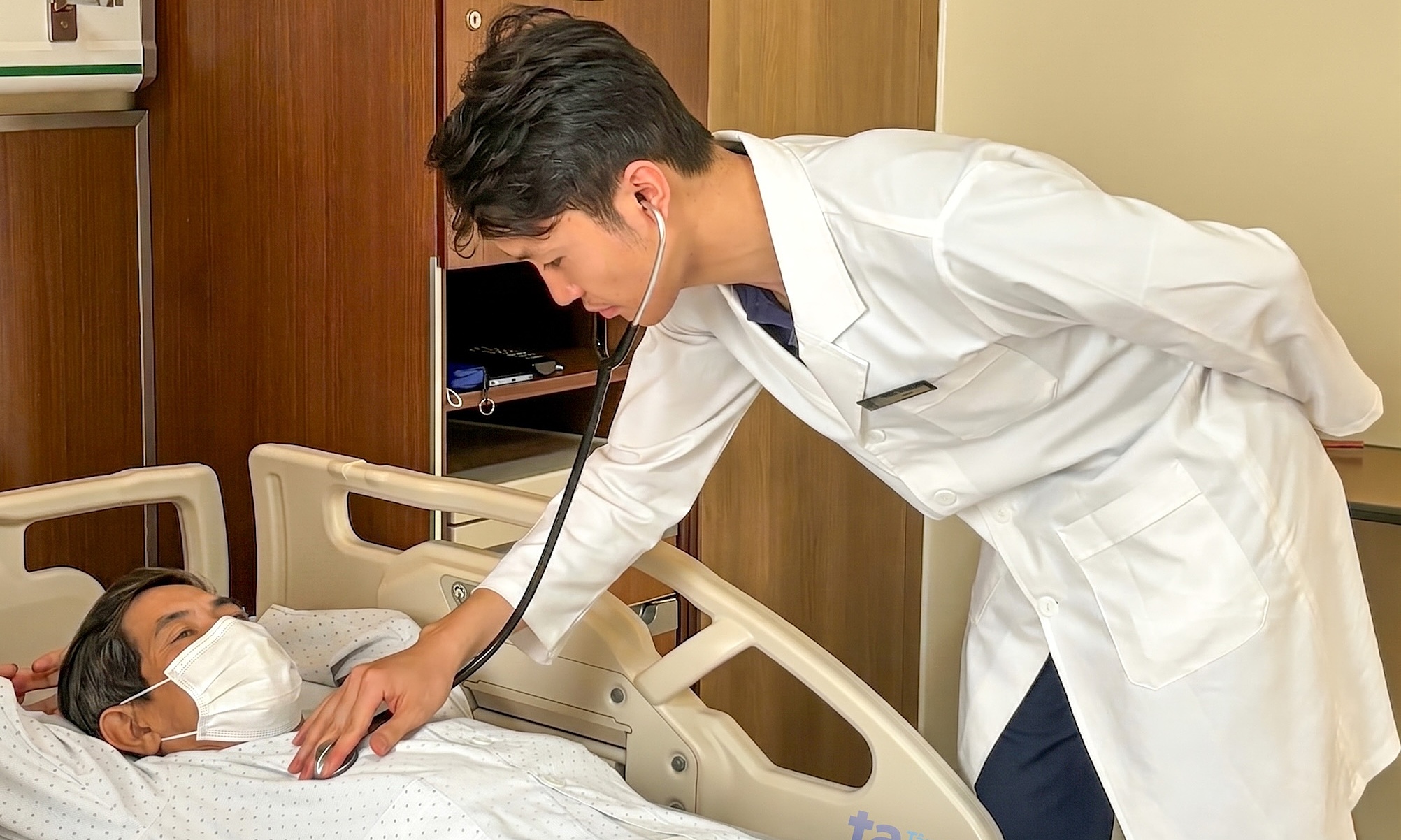
Illustrative photo: Monash University |
Late one night, as he stood up to use the restroom, the young man suddenly screamed, rolled his eyes, and collapsed. His family rushed him to the emergency room, where he was completely unconscious. Scans revealed a ruptured brain artery, causing severe hemorrhage.
Despite the medical team's efforts, the young man remained in a deep coma, sustained entirely by a ventilator. Recognizing that their son had no chance of recovery, the family decided to cease medical interventions to spare him further futile suffering. They brought him home for palliative care and notified relatives and friends to say their final goodbyes. His mother stayed by his bedside, continuously calling his name until the doctor disconnected the ventilator.
Witnessing the poignant scene, nurse Lin warned that prolonged sleep deprivation, overwork, or excessive psychological pressure silently destroy health. Brain vessel rupture or acute heart failure in prolonged gamers stems from severe sleep deprivation, psychological stress, and prolonged immobility. Maintaining a single posture for too long, combined with an elevated heart rate from game stimulation, can cause the patient's blood pressure to surge, creating immense pressure that ruptures brain arteries.
Medical history records many sudden deaths from similar causes. A notable case in 2012 involved an 18-year-old Taiwanese man who died of heart failure after 40 continuous hours playing "Diablo III". In 2015, Taiwan officials confirmed that a 32-year-old man named Hsieh collapsed and died at an internet cafe in Hunei district due to exhaustion after a three-day non-stop gaming session.
Medical experts advise everyone to establish a regular routine, maintain a balanced diet, engage in physical activity, and undergo regular health check-ups to protect their vascular system, especially for those with a family history of neurological diseases.
Binh Minh (According to Oriental Daily)