Pancreatic cancer has a 5-year survival rate of only about 13%. The tumor develops silently, invades rapidly, and is surrounded by dense fibrous tissue that obstructs drugs and the immune system. These characteristics make detecting and treating pancreatic cancer difficult, despite advancements in surgery, chemotherapy, and radiation therapy.
In this context, scientists are seeking new directions, such as therapeutic vaccines and early detection through AI. These areas are gaining attention due to their potential to increase patient treatment success rates.
KRAS therapeutic vaccines
Most pancreatic cancers are linked to KRAS protein mutations, which control cell division. Several KRAS-targeted drugs, such as daraxonrasib, are currently undergoing trials, showing an average of eight months of disease stability and reduced cancer DNA in the blood.
Beyond drugs, scientists are developing KRAS vaccines. These work by training the immune system to recognize KRAS-mutated cancer cells as "invaders," then attacking and eliminating them. In essence, the vaccine transforms cancer cells into targets for the body's T cells to destroy, preventing tumors from developing silently.
Initial small-scale trials showed that 21 out of 25 patients generated T cells with anti-cancer activity. Those who responded strongly experienced reduced cancer DNA and lived longer than three years after the first vaccine dose. An expanded version, targeting all 7 common KRAS subgroups, is currently being tested on 158 patients.
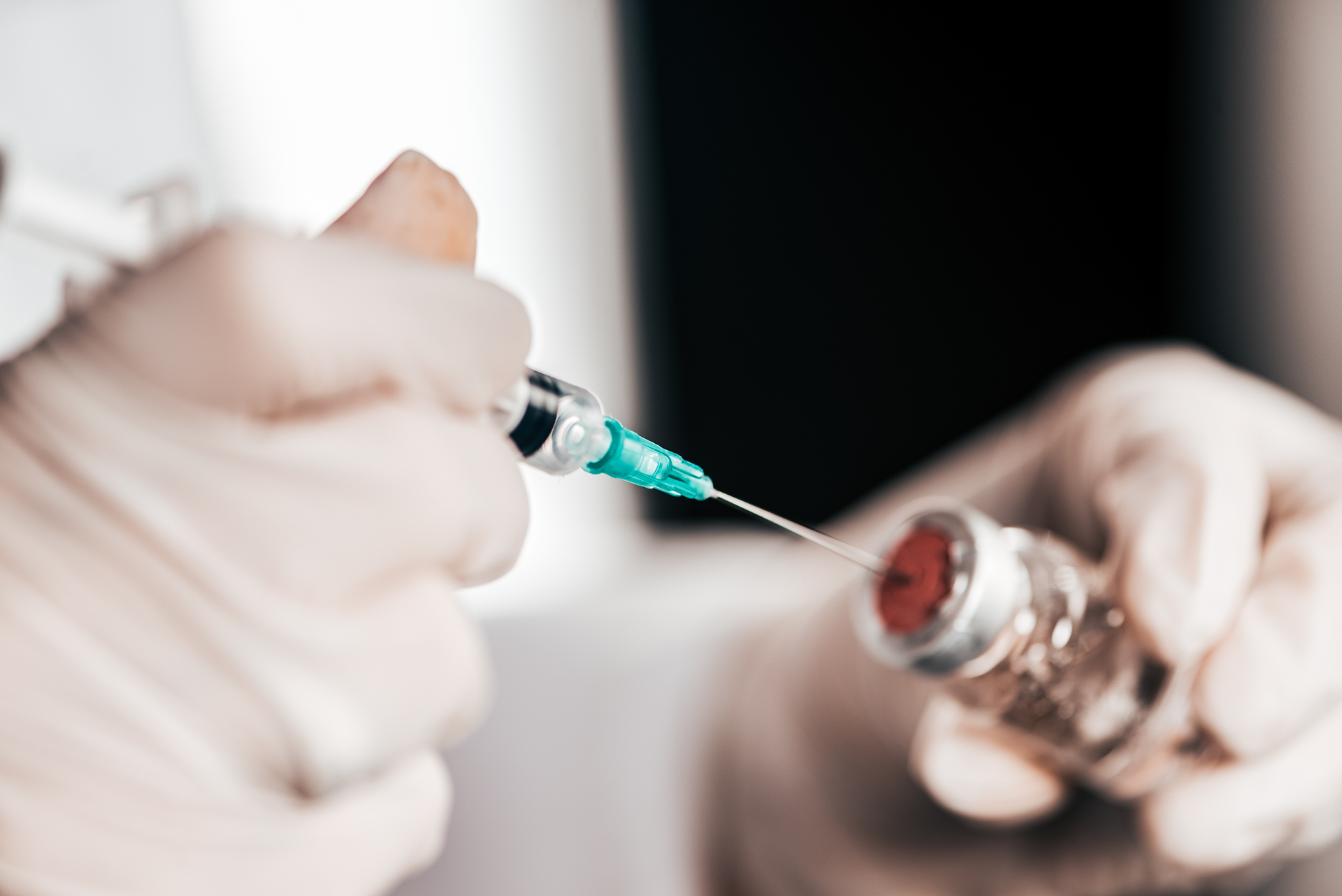 |
Illustration of the cancer vaccine creation process. *Photo: Vecteezy* |
Personalized vaccines
Scientists are also developing personalized vaccines, custom-designed for each patient based on specific tumor mutations. Early trials indicate that eight out of 16 individuals produced specific T cells capable of recognizing and attacking cancer cells, leading to longer survival and extended recurrence-free periods. A large international trial is now underway to assess efficacy across a broader patient group. If successful, doctors could combine genetics and immunology to personalize pancreatic cancer treatment.
AI applications in early detection
Another advancement improving survival rates is early detection through AI and blood tests. The company GRAIL is piloting blood-based cancer DNA screening for individuals aged 50 and older. Concurrently, a Johns Hopkins team combines AI with endoscopic ultrasound and blood glucose and weight data, enabling earlier detection of pancreatic cancer. AI identifies abnormal patterns in imaging and biological data often imperceptible to the human eye, creating opportunities for intervention before tumor progression.
Experts suggest that if vaccine and AI methods are widely implemented, pancreatic cancer could transition from a "deadly" disease to one that is manageable and life-extending.
Research also explores combining therapeutic vaccines with targeted drugs and AI-assisted early detection. This integrated approach allows doctors to monitor tumor progression, select personalized protocols, and detect recurrence early. Clinical trials are underway to determine safety, efficacy, and practical applicability. However, experts emphasize that this remains an early stage, and vaccines cannot yet replace current treatment methods.
Van Ha (Source: Gavi)