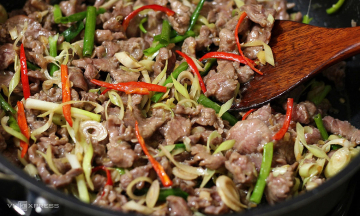
Abdominal pain, vomiting, diarrhea, fever, or fatigue that appear suddenly after eating are often linked to food poisoning or gastrointestinal infections. Food poisoning typically has an acute onset, with severity varying based on the causative agent and the patient's health.
Patients should seek medical attention promptly if they experience continuous vomiting, an inability to eat, drink, or rehydrate orally. Frequent or severe diarrhea, high fever, extreme fatigue, dizziness, reduced urination, or signs of dehydration also require immediate attention. These conditions can lead to electrolyte imbalances, acute kidney injury, and become life-threatening if not treated in time.
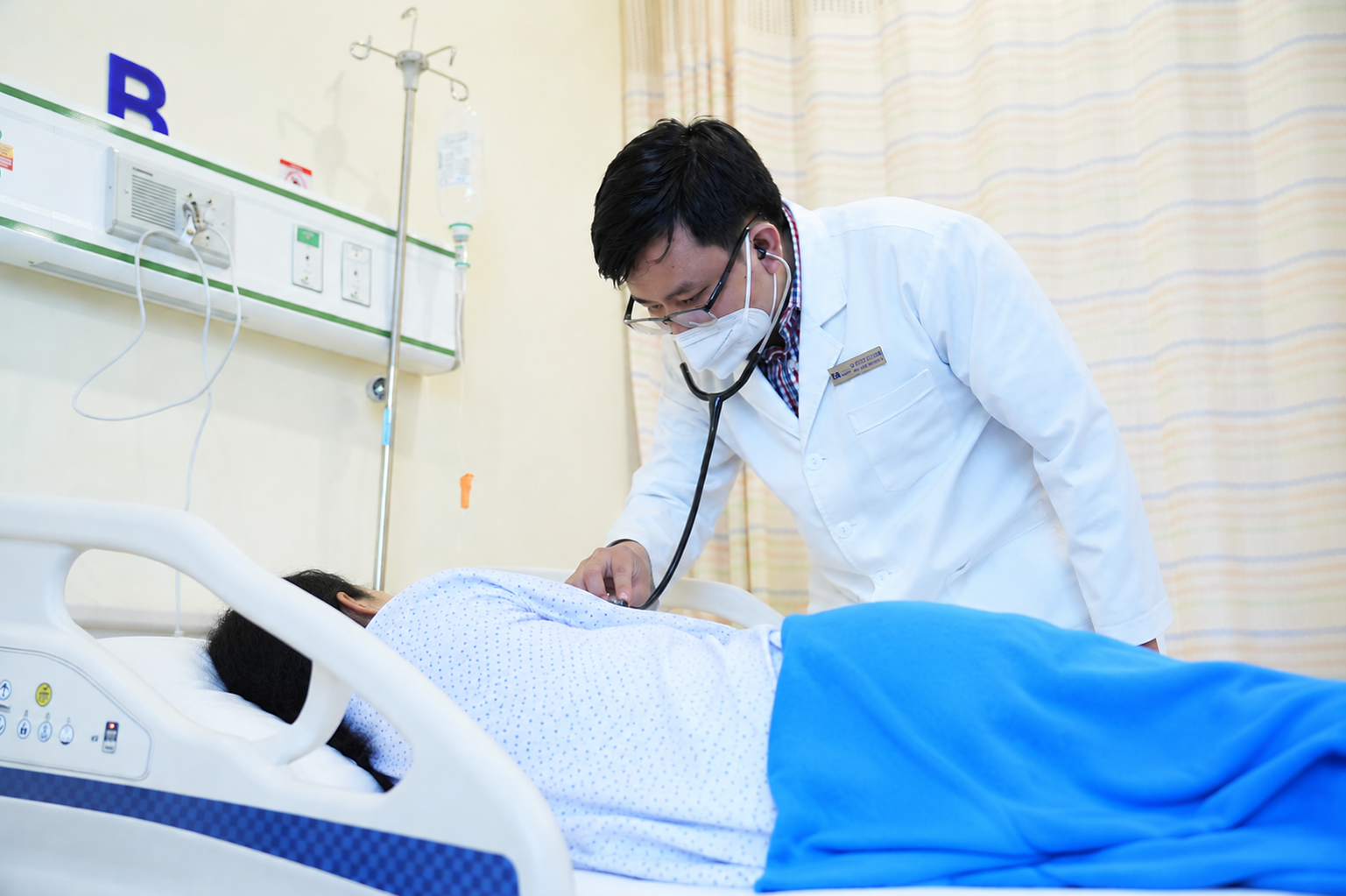 |
Doctor Tuan Phong examines a patient's abdomen. Illustration: Tam Anh General Hospital
Common bacterial agents causing food poisoning include: Salmonella, Shigella, and toxin-producing strains of Escherichia coli (E. coli). These bacteria can damage the intestinal lining, leading to severe diarrhea, dehydration, and other complications.
Upon consultation, a doctor will assess the degree of dehydration and order necessary tests. Blood tests help check for infection, kidney function, and electrolyte imbalances like sodium and potassium. If severe infection or sepsis is suspected, patients may undergo blood cultures, stool tests, or stool cultures to identify the causative agent.
Patients with food poisoning may receive fluid and electrolyte replacement, symptom-relieving medication, and antibiotics in cases of confirmed or suspected bacterial infection, as prescribed by their doctor.
Doctor Vo Tuan Phong
Department of Gastroenterology
Endoscopy and Gastrointestinal Endoscopic Surgery Center
Tam Anh General Hospital Ho Chi Minh City