Despite continuous warnings from doctors that she might not live past age 30 if she did not lose weight, Laura Budreviciene only truly committed to changing her life after experiencing the pain of losing her unborn child, according to People.
Laura Budreviciene, age 29, residing in Nottinghamshire, struggled with weight issues since childhood. By age 11, she weighed nearly 70 kg, making her the largest student in her grade. Despite participating in many weight management programs and diets, her weight continued to increase uncontrollably, peaking at 238 kg. Her excessive size created numerous daily challenges. She was once denied service on amusement park rides because the safety bar could not lock, and even sitting to eat became so difficult that she had to lie on her bed for meals.
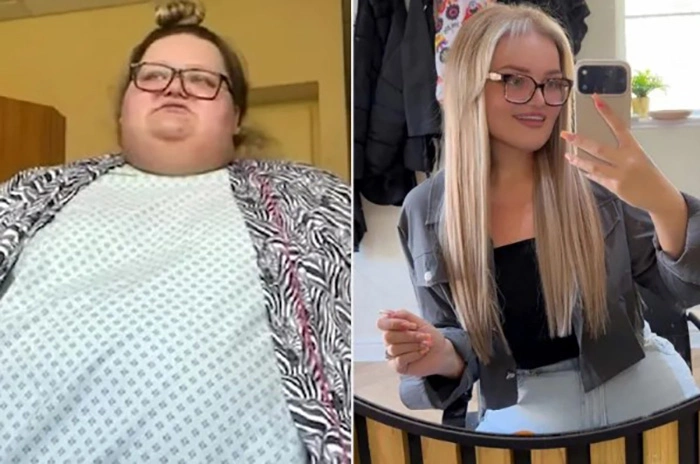 |
Laura before and after weight loss. Photo: Kennedy News and Media |
After numerous medical examinations, doctors consistently warned her about her health condition. "I received many warnings that I might not live past 30. However, at that time, that fear was not enough to wake me up," Laura recalled. Everything changed completely when she experienced a miscarriage at age 22. With a strong desire to become a mother, she realized she had to change immediately.
In October 2020, Laura decided to undergo gastric bypass surgery, a bariatric procedure that reduces stomach size and bypasses a section of the small intestine to decrease food intake. As a result, she lost approximately 127 kg in the first year after surgery.
After giving birth to two daughters consecutively, Laura's weight loss rate slowed. To continue her journey, she incorporated additional weight loss injections. To date, her total weight loss has reached 156 kg, bringing her current weight down to approximately 82 kg.
Gastric bypass surgery played a significant role in Laura's weight loss process. Mechanistically, this method substantially reduces stomach capacity, helping patients feel full quickly even after eating a small amount of food. Because food passes directly into the small intestine, the amount of calories and nutrients the body absorbs also decreases significantly. This is considered one of the highly effective interventional solutions for individuals with severe obesity, also supporting a marked improvement in co-morbidities in adults such as high blood pressure or diabetes.
However, this method also has certain limitations. Due to impaired nutrient absorption, patients risk essential micronutrient deficiencies like vitamins or iron, requiring lifelong supplementation. Additionally, without maintaining a healthy and strict diet, the risk of regaining weight can still occur.
According to the US National Institute of Diabetes and Digestive and Kidney Diseases (NIDDK), bariatric surgery is typically indicated for cases of severe obesity that have not responded to conventional dietary adjustments. On average, individuals undergoing surgery can lose from 15% to 30% of their initial body weight, depending on the specific method.
When her weight loss plateaued after childbirth, Laura used prescribed anti-obesity injectable medication. Current anti-obesity drugs work by reducing appetite or increasing satiety quickly. The NIDDK states that combining weight loss medication with lifestyle changes, such as a balanced diet and physical activity, can help patients lose an additional 3% to 12% of their body weight after one year compared to only applying conventional measures.
However, drug effectiveness depends on individual physiology and the type of medication used. Experts also note that this therapy requires close medical supervision due to potential side effects like nausea and is contraindicated for pregnant women or those planning to conceive. Weight can return if medication is stopped without maintaining good lifestyle habits.
Beyond medical interventions, Laura's success factor was a complete change in her daily habits. Previously, she consumed up to 8,000 kcal per day, often eating fast food for lunch, ordering delivery for dinner, and drinking two liters of carbonated soft drinks daily. Recognizing the harm of these habits, she completely eliminated carbonated beverages and adjusted her total daily calorie intake to approximately 1,600 kcal.
Nutrition experts state that sugary drinks and high-fat processed foods are the leading causes of excess calories that do not provide lasting satiety. Eliminating these food groups and controlling daily portion sizes is the core principle for achieving sustainable weight loss goals.
 |
Laura's slender figure after weight loss. Photo: Kennedy News |
Laura affirmed that becoming a mother is her most invaluable reward. If she had not lost weight, she would not have had her children, and her biggest goal now is to maintain good health to care for her small family.
Laura hopes her story will inspire those striving to improve their health. She advises everyone not to delay or wait for a "monday" to start, nor to be swayed by external opinions. The body transformation process takes time because no one gains or loses weight overnight; the most important thing is to persevere and start acting today.
Binh Minh (According to People, Kormedi)