Fermented foods like kimchi, pickled vegetables, yogurt, and kombucha are praised for their flavor and gut-friendly bacteria. However, some individuals may experience adverse effects due to intolerance.
Adverse reactions typically manifest 5-10 minutes after consumption, or sometimes later. The following symptoms may indicate an intolerance to fermented foods:
Bloating and abdominal distension
Fermented foods can generate gas during digestion. Individuals may experience mild bloating, with severe cases leading to cramping and discomfort. Intolerance to fermented foods often results in frequent, foul-smelling flatulence, caused by bacteria producing organic acids and gas during fermentation.
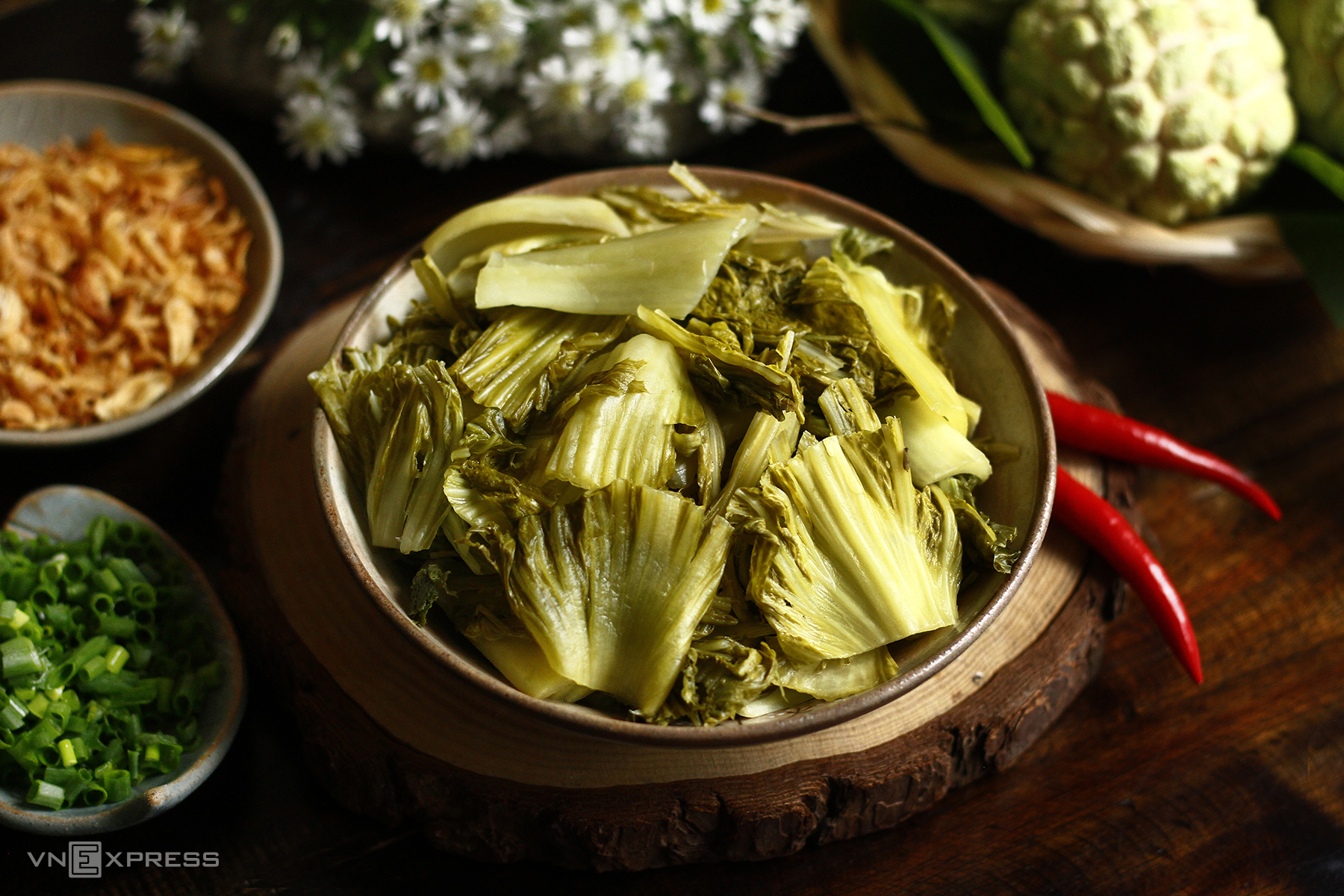 |
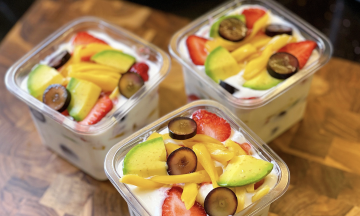
Pickled vegetables contain many beneficial bacteria for digestion. *Photo: Bui Thuy*
Abdominal pain and cramps
Some fermented foods, such as sauerkraut, can cause indigestion, abdominal pain, and cramps. This is because the fermentation process produces biogenic amines like histamine and tyramine, along with high acid concentrations. These compounds can irritate the digestive system and cause a sudden increase in probiotics, which the body may not adapt to quickly. These symptoms can worsen if fermented foods are consumed on an empty stomach.
Diarrhea
While probiotics in some fermented foods can help reduce diarrhea, for certain individuals, they may disrupt the balance of gut microbiota, leading to changes in bowel movements. Fermented foods can also contain FODMAPs (fermentable oligosaccharides, disaccharides, monosaccharides, and polyols), which are poorly absorbed sugars that can cause excessive fermentation in the intestines, generating gas and resulting in diarrhea.
Itching and rashes
If a person experiences itching or rashes after consuming fermented foods, especially alongside other digestive issues, it could signal histamine intolerance or a food allergy. It is advisable to consult a doctor for diagnosis and to prevent complications. Individuals with histamine intolerance should completely avoid fermented foods.
To minimize side effects from these probiotic-rich foods, adults should begin with small portions (around 100-150 g daily) to allow their bodies to adjust. Opt for fully ripened pickled vegetables, and avoid unripe or freshly pickled ones, which contain higher nitrite levels. Unsweetened, low-fat options like Greek yogurt are recommended to boost beneficial bacteria and promote digestive stability.
Consume pickled foods within one week of preparation. Leaving them for too long can lead to the formation of aflatoxins from mold, which increases the risk of liver cancer. Making your own pickled vegetables and kimchi allows for better control over salt and spice content, contributing to liver health and overall well-being.
Anh Chi, *EveryDay Health*
| Readers can submit questions about digestive diseases here for doctors to answer |