Dr. Nguyen Thu Trang, Deputy Head of the Cardiology Department at Tam Anh General Hospital Hanoi, observed severe damage to the patient's left leg venous system. Deep veins in the thigh and popliteal region were blocked and narrowed, leading to poor blood circulation. The left iliac vein was completely obstructed, forcing blood to reroute through long-established collateral veins. This prolonged blood flow obstruction caused pressure to build up in the lower leg and ankle, leading to stagnation, chronic inflammation, swelling, and recurrent venous ulcers.
Chronic, recurrent deep vein thrombosis over many years damaged the venous structure, progressing to post-thrombotic syndrome. On the Villalta scale, a tool for assessing the severity of post-thrombotic syndrome, a score of 15 points or more is classified as severe. Mr. Nguyen's score reached 38 points.
According to Dr. Trang, the most effective treatment for Mr. Nguyen's condition was interventional revascularization of the blocked venous system. This procedure aims to restore blood flow back to the heart and reduce the prolonged stagnant pressure in the left leg.
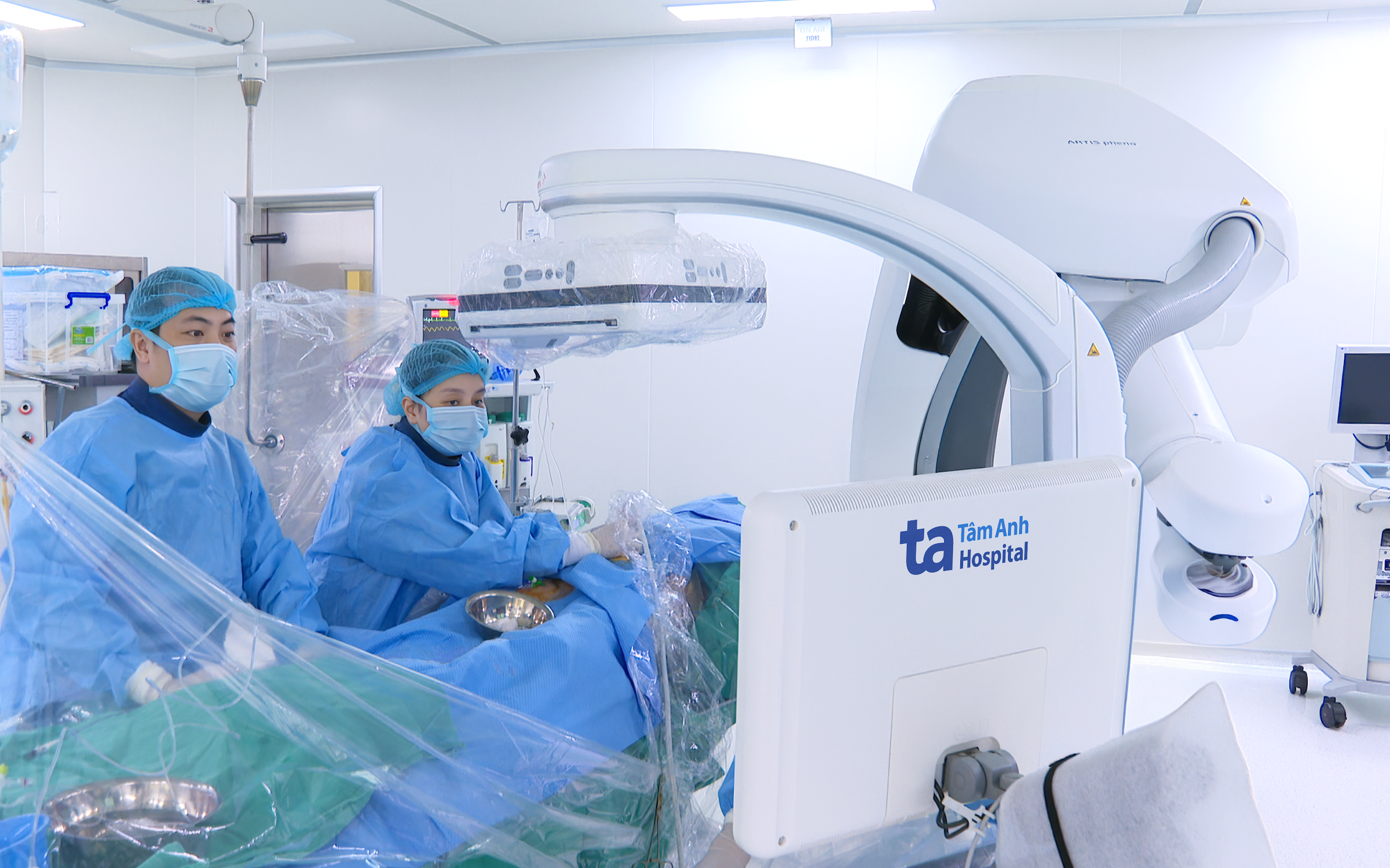 |
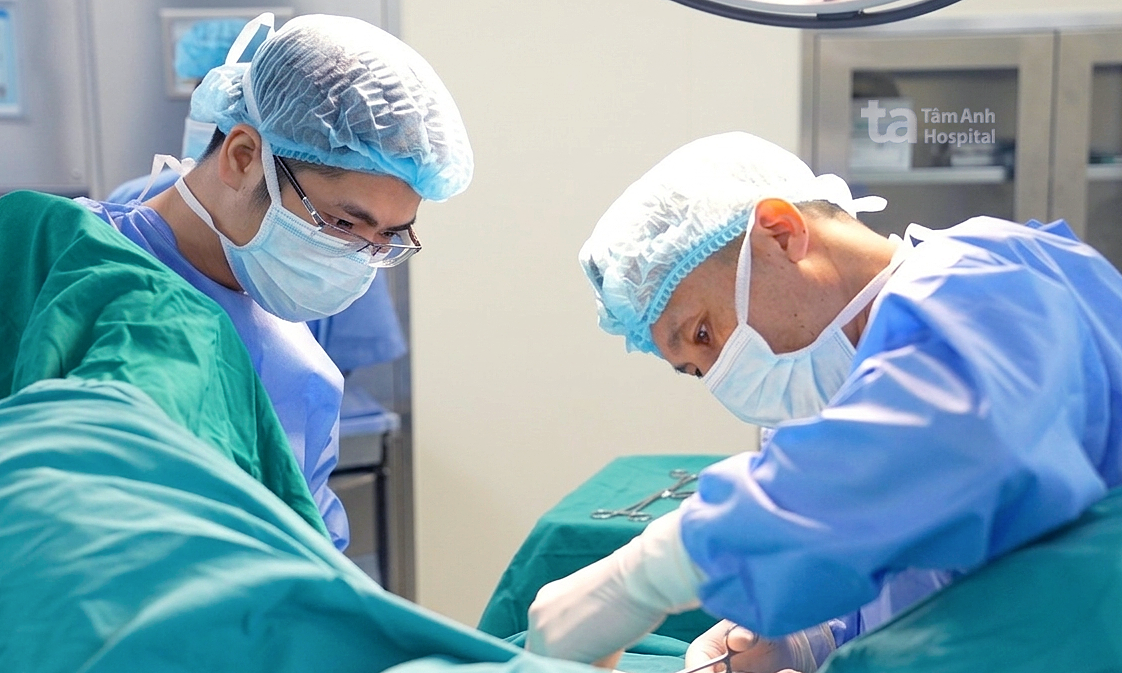
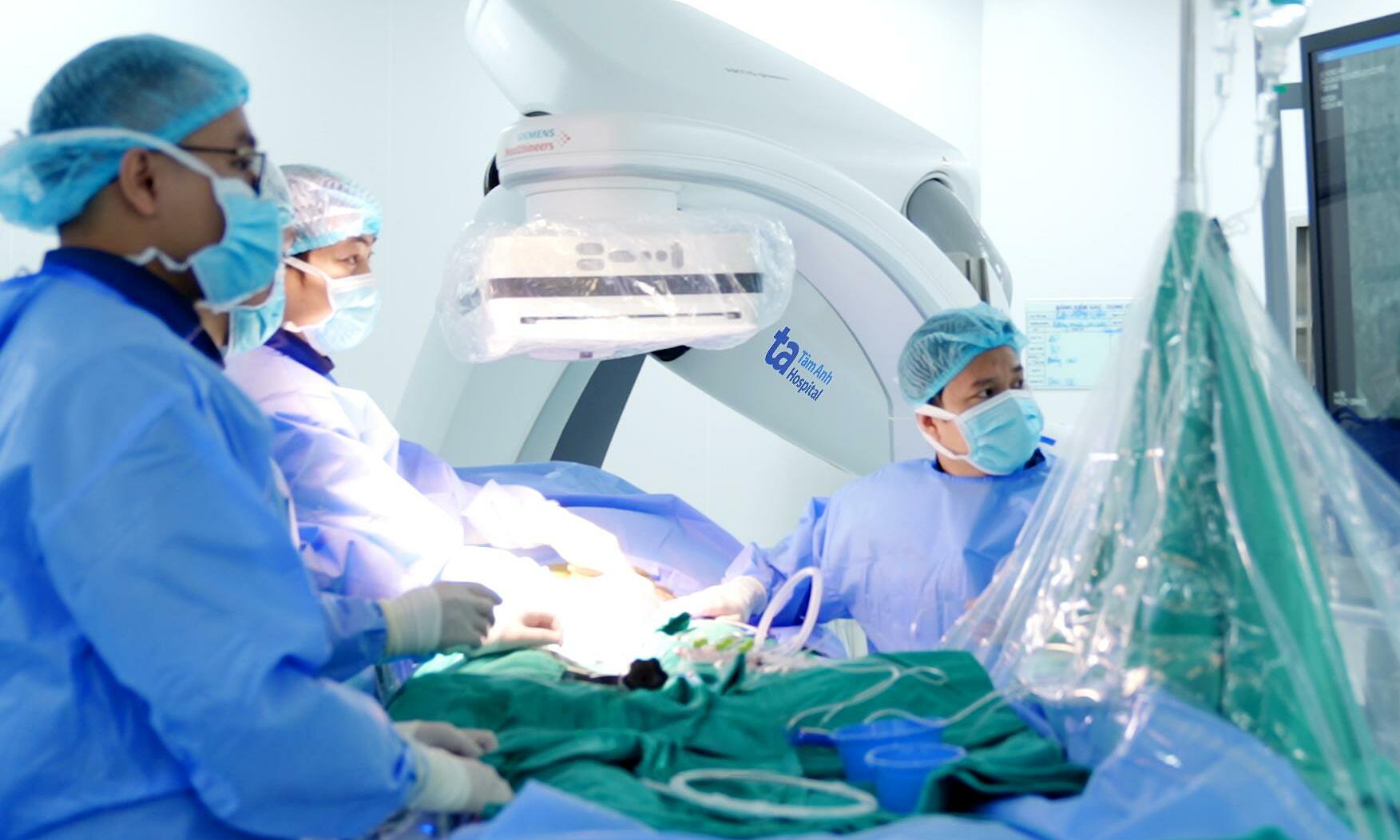
The endovascular intervention team revascularizing the femoro-iliac venous system for the patient. *Photo: Tam Anh General Hospital* |
The intervention process faced many challenges due to the venous system having been severely damaged and fibrosed over many years. The patient also suffered from multiple underlying conditions, including atrial fibrillation, type 2 diabetes, obesity, and dyslipidemia.
The endovascular intervention team revascularized the femoro-iliac venous system using balloon angioplasty to widen the vein lumen combined with the placement of specialized venous stents. Doctors closely monitored the procedure using intravascular ultrasound (ivus), which helped them accurately assess the degree of narrowing, the size of the vessel lumen, and ensure proper stent apposition to the vessel wall.
Following the intervention, the swelling and leg heaviness significantly improved. After discharge, Mr. Nguyen needs to take antiplatelet medication during the initial phase and continue using anticoagulants, wearing compression stockings, and attending regular follow-up appointments. He should also maintain a healthy lifestyle, control his weight, avoid prolonged sitting or standing, and extended periods of immobility. Regular gentle exercise, such as walking, and performing lower limb circulation-enhancing exercises as guided by his doctor, are also recommended.
Individuals with mild post-thrombotic syndrome can manage symptoms and prevent recurrent thrombosis through medical treatment, such as medication, combined with proper compression stocking use. However, when the condition progresses to severe, timely interventional revascularization of the venous system is an effective solution to improve symptoms.
Dr. Trang advises individuals with a history of thrombosis who experience symptoms such as persistent leg swelling and pain, darkened skin, or venous ulcers, to seek early medical attention.
Ly Nguyen
| Readers can submit questions about cardiovascular health here for doctors to answer |