Testosterone, an androgen hormone, is primarily produced in the testes in men, ovaries in women, and adrenal glands in both. It is recognized as the primary sex hormone in men, playing a crucial role in developing masculine characteristics such as facial and body hair, a deeper voice, increased muscle mass, larger bone size, and specific body fat distribution. In women, testosterone helps maintain bone health, supports the reproductive system, and contributes to sex drive.
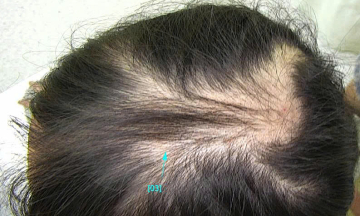
Balanced testosterone levels are essential for reproductive health in both sexes. Low testosterone in men can lead to infertility, while abnormally high levels in women may cause ovulation disorders. For instance, women with elevated testosterone might experience facial hair growth, male-pattern baldness, and infertility. High testosterone levels are also linked to acne in all genders. Infants have similar testosterone levels; it is only at puberty that boys begin to produce significantly higher amounts, leading to the development of male secondary sexual characteristics.
Key roles of testosterone:
- **Sperm development**: It is essential for sperm production in the testes. However, balance is crucial; levels that are too high or too low can reduce sperm count.
- **Egg development**: Androgens play a significant role in the development of ovarian follicles and estrogen production.
- **Brain function**: This hormone is linked to memory, learning ability, and spatial reasoning.
- **Pain perception and emotions**: Testosterone can influence pain tolerance and the ability to recognize others' emotions.
- **Sex drive**: Higher testosterone levels are often associated with a stronger sex drive.
- **Muscle mass**: Men tend to develop more muscle than women due to their higher testosterone levels.
Testosterone testing:
Testosterone levels are determined by blood tests and fluctuate throughout the day. For accuracy, testing should be done in the morning. Testosterone in the blood exists in two forms: free and bound, with the latter accounting for about 98%. Doctors evaluate both indicators for a comprehensive assessment.
Normal testosterone levels:
Testosterone levels typically peak in the morning, especially in men under 45, and can vary by time of day and age.
- **Men (≥19 years old):**
- Total testosterone: 270-1070 ng/dL
- Free testosterone: 50-210 pg/dL
- **Women (≥19 years old):**
- Total testosterone: 15-70 ng/dL
- Free testosterone: 1,0-8,5 pg/dL
Signs of low testosterone:
Low testosterone levels, often called "low T", can manifest through several symptoms in men, including:
- Reduced sex drive
- Low energy
- Weight gain
- Feelings of depression
- Mood swings
- Low self-confidence
- Reduced body hair
- Thinner bones
Causes of testosterone imbalance:
While a gradual decline in testosterone with age is natural, other factors can also contribute to its decrease. Testicular injury and cancer treatments like chemotherapy or radiation can negatively impact testosterone production. Abnormal testosterone levels, whether high or low, can affect health.
Causes of low testosterone in men include:
- Age (over 50)
- Underweight or overweight
- Smoking
- Genetic conditions: Klinefelter, Kallmann
- Pituitary disorders
- Testicular diseases
- Iron overload
- Chemotherapy, cancer treatment
- Severe illness or surgery
- Certain medications or stimulants
- Chronic stress
Causes of high testosterone in men include:
- Adrenal or testicular tumors
- Steroid abuse
- Testosterone supplementation
- Exposure to topical testosterone products
The most common cause of low testosterone in women is menopause. High levels can be due to polycystic ovary syndrome (PCOS), congenital adrenal hyperplasia, ovarian or adrenal tumors, or steroid abuse.
Hormone supplementation:
Prescription testosterone is used to treat conditions related to hypogonadism in men and delayed puberty in boys. It is also used in treatment for transgender men. Forms of administration include gels, topical solutions, patches, subcutaneous implants, injections, or oral tablets.
Risks of supplementation:
Excessive testosterone supplementation, especially when not used as prescribed, can reduce fertility and increase the risk of certain cardiovascular problems, such as high blood pressure and blood clots. Regulatory bodies like the Food and Drug Administration (FDA) only approve testosterone use for treating hypogonadism due to medical conditions. They do not recommend it for age-related hormone decline. Its use requires careful doctor evaluation; self-medication is strictly not advised as it can harm health.
Bao Bao (According to Healthline, Verywell Health)