 |
The pH scale ranges from 0 to 14, where a lower pH indicates higher acidity and vice versa.
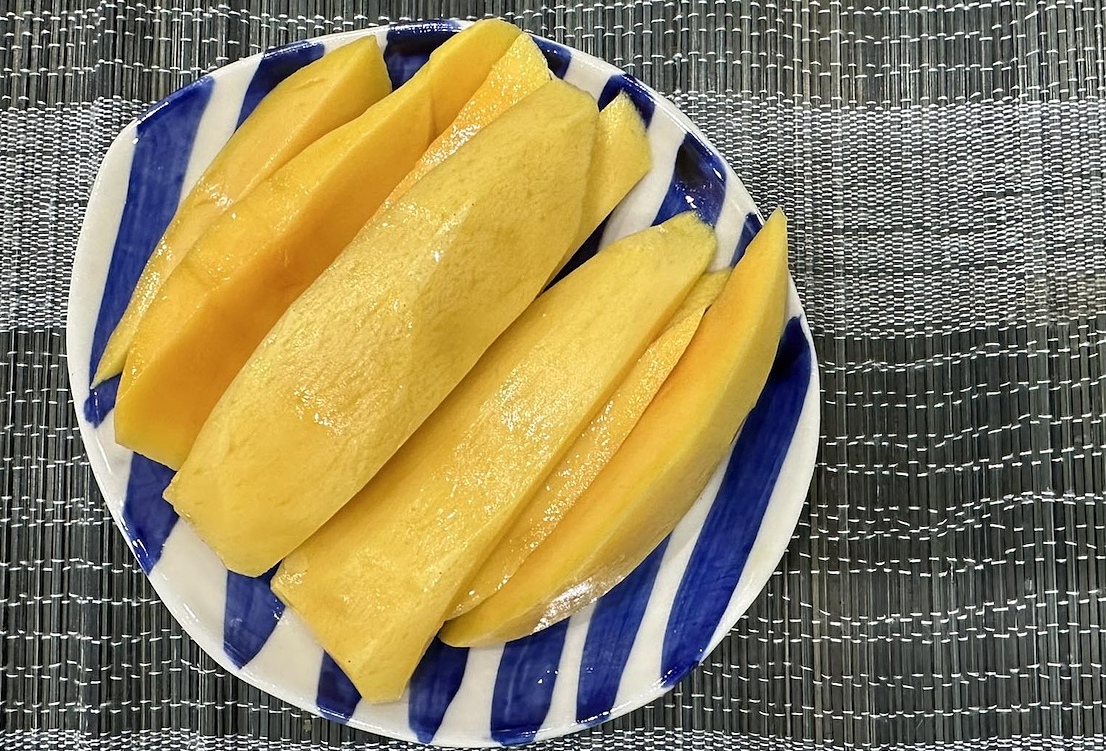
Ripe mangoes have an average pH of 5,9. The riper the mango, the lower its acidity, making it less likely to affect reflux sufferers. Mangoes are rich in copper and vitamin C, which help the body produce energy and boost immunity. Antioxidants in this fruit also help prevent cell damage and reduce inflammation.
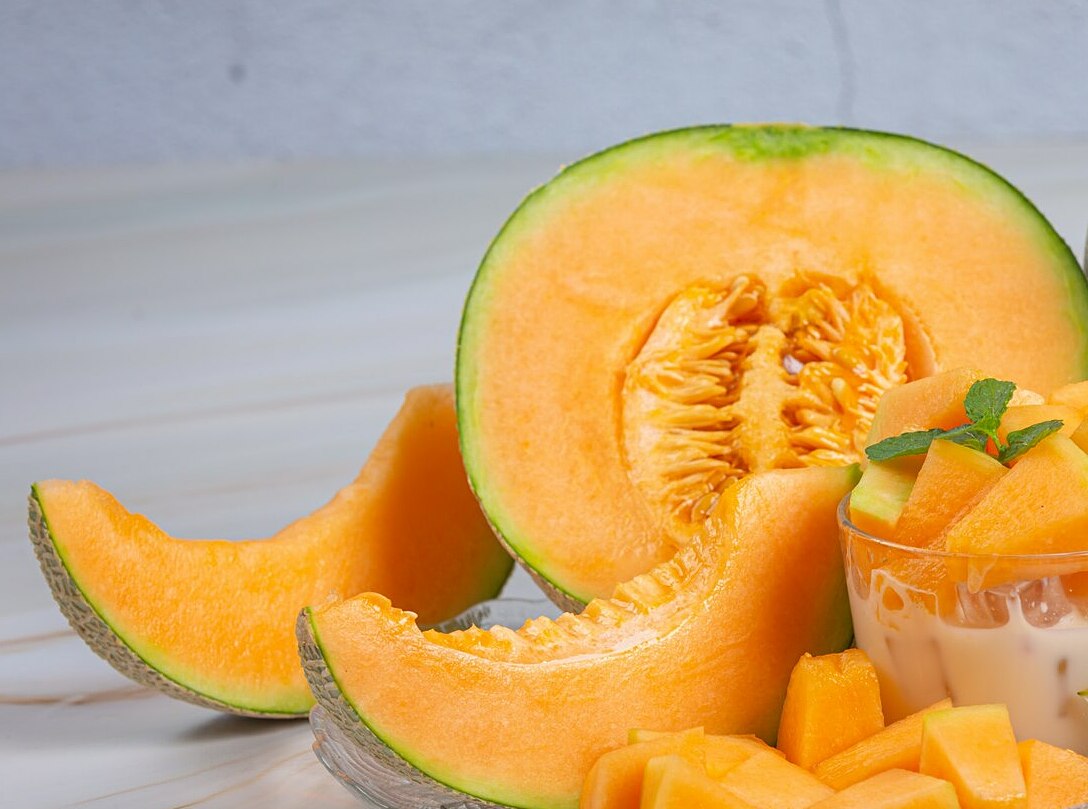 |
Cantaloupe has a pH of about 6,3, making it nearly neutral with low acidity. Its low fiber and high water content make cantaloupe easy to digest. This melon contains beta carotene, an antioxidant the body converts into vitamin A, which helps boost immunity. It is also a rich source of vitamin C, according to Very Well Health.
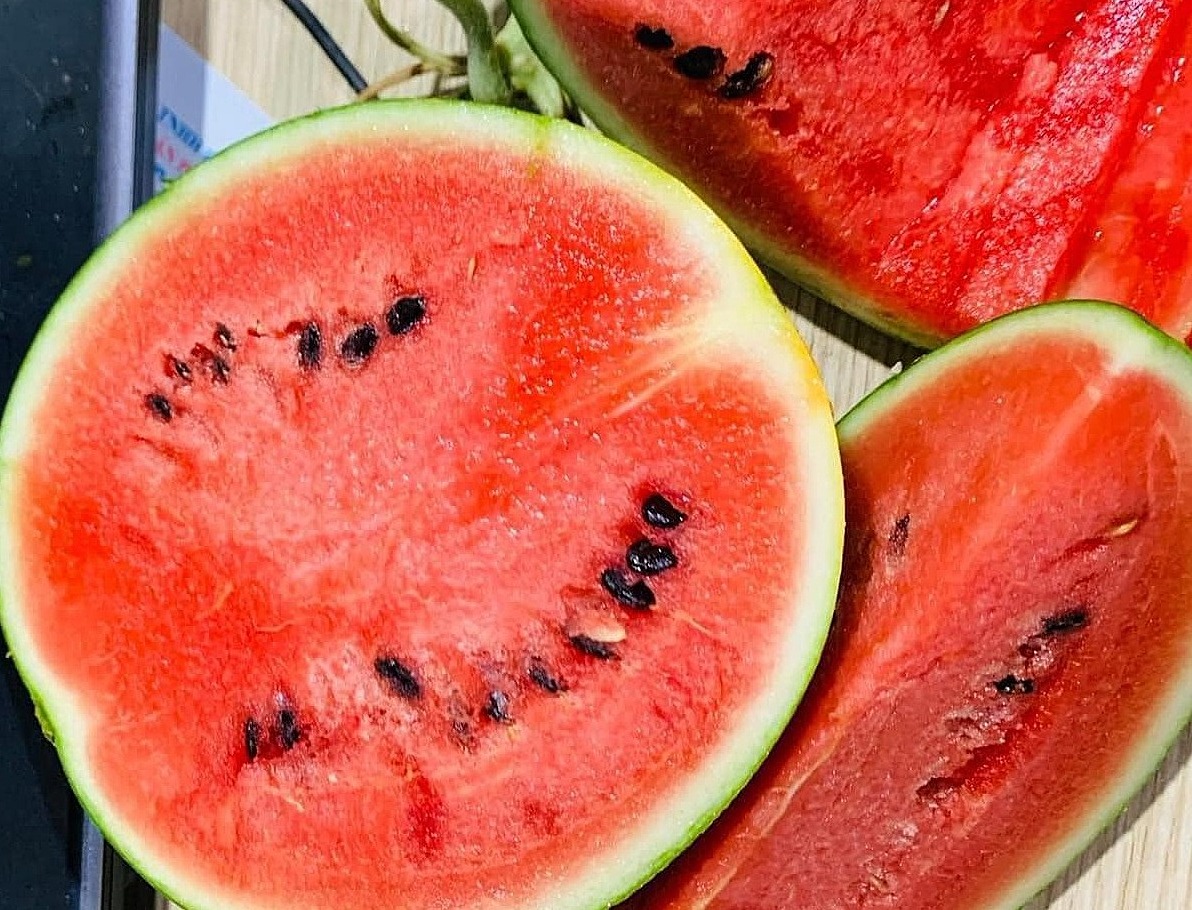 |
Watermelon, with a pH of about 5,2-5,6, is a low-acid fruit. This fruit contains plenty of water, vitamin A, vitamin C, and potassium, supporting overall health. With its mild sweetness and high water content, watermelon often causes less irritation for people with gastroesophageal reflux disease.
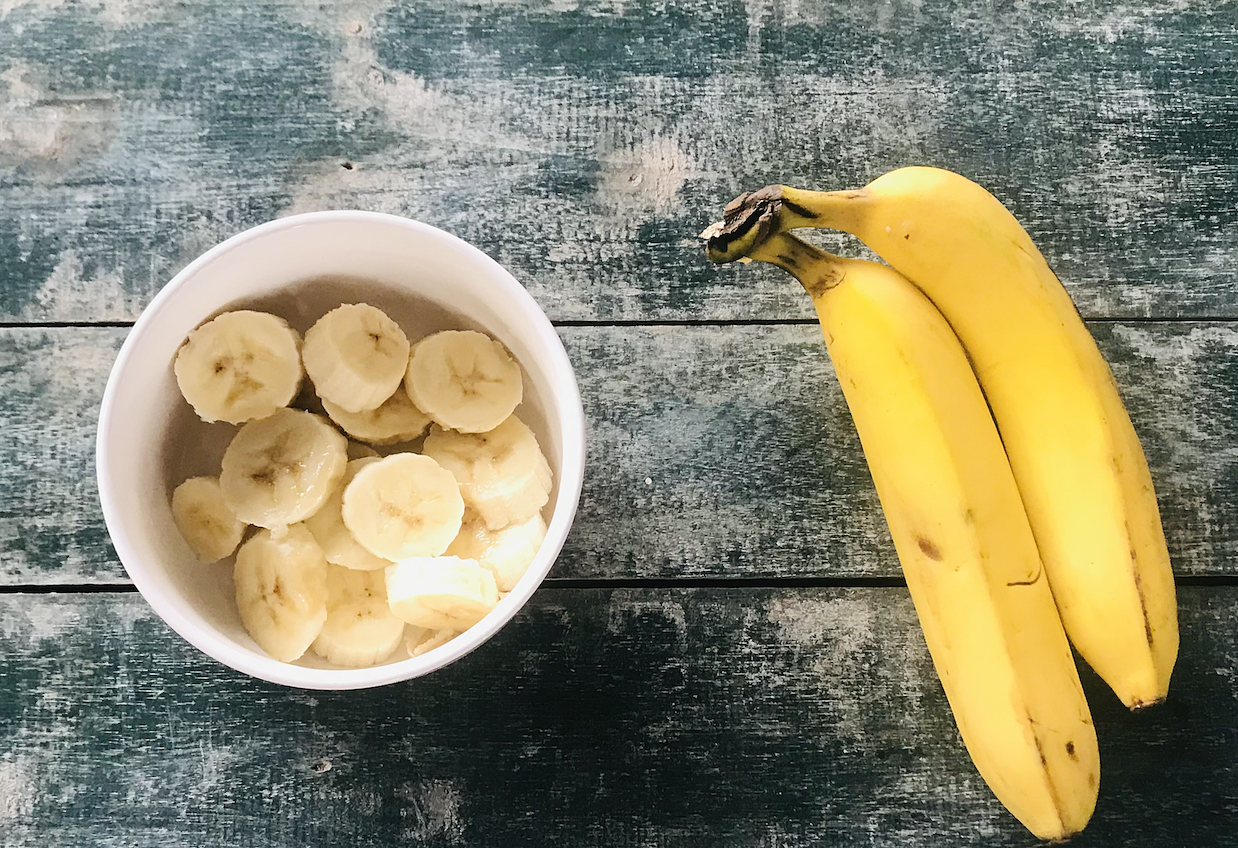 |
Bananas are an easy-to-digest fruit, with an average pH of about 4,8-5,2. Although more acidic than watermelon or papaya, bananas are still often recommended for people with gastroesophageal reflux disease due to their pectin and fiber content, which aid digestion. Bananas are also rich in potassium and many beneficial nutrients. Prebiotic fiber in bananas nourishes the gut microbiome. Patients should prioritize ripe bananas as they are easier to digest and generally better tolerated than unripe ones.
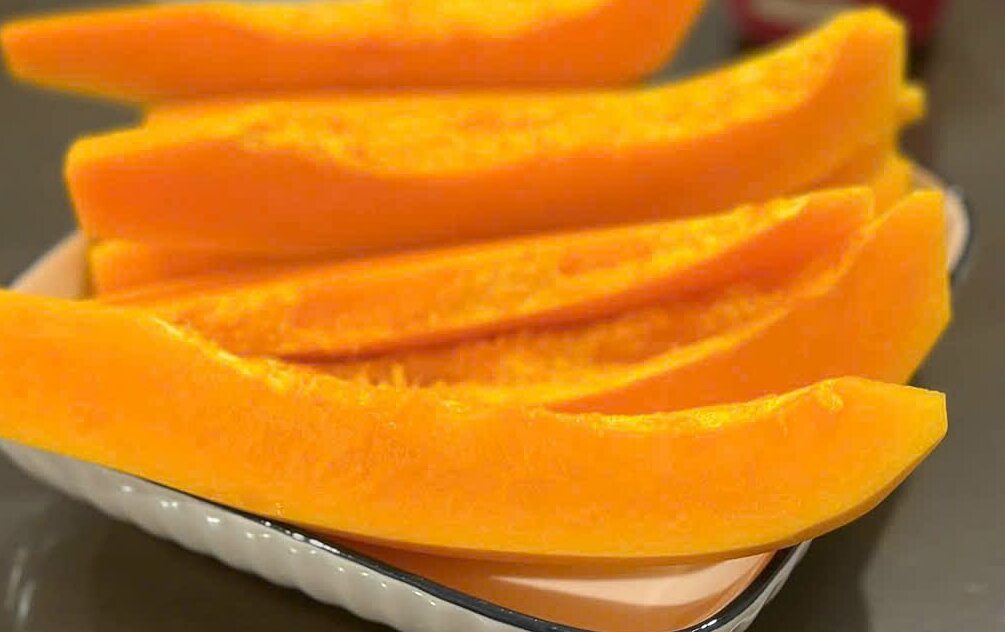 |
Papaya has a pH of about 5,6 and contains an enzyme called papain, beneficial for the gut. Papain can support digestive health and reduce acid levels. Nutritionally, one cup of papaya provides the daily recommended amount of vitamin C for the body, according to Eating Well.
By Anh Chi (Compiled)
Photos: Anh Chi, Ngoc Thuong, Bao Bao