Testosterone is a crucial hormone present in both men and women, albeit at different levels. In men, testosterone is produced in the testicles and dictates male characteristics such as a deep voice, libido, sperm production, hair, and muscle development. In women, testosterone is produced in smaller quantities by the ovaries and adrenal glands, playing a role in fertility, libido, and bone health.
Testosterone levels, measured in nanograms per deciliter (ng/dL), vary with age. After puberty, men typically have testosterone levels about 15 times higher than women. According to the University of Rochester Medical Center, USA, testosterone levels above 70 ng/dL are considered high in adult women.
According to Verywell Health, high testosterone is often a result of underlying medical conditions or disorders affecting a woman's hormonal balance.
Polycystic ovary syndrome (PCOS)
PCOS is a condition characterized by multiple small, fluid-filled cysts appearing on one or both ovaries. In affected individuals, eggs may not develop normally or be released during ovulation.
According to Medline Plus, this syndrome often appears around the time of the first menstrual period, typically at age 11 or 12, but can also manifest later. Symptoms can vary in severity among individuals. Many women are unaware they have PCOS until they experience difficulty conceiving.
PCOS is one of the most common causes of high testosterone and hirsutism (excessive hair growth) in women. Other symptoms include:
: Irregular menstrual cycles or amenorrhea, hirsutism, oily skin, severe acne, obesity or weight gain, difficulty losing weight, infertility, and dark patches on the skin.
Atypical congenital adrenal hyperplasia (NCCAH)
Atypical congenital adrenal hyperplasia (NCCAH) is a genetic disorder. The late-onset form presents with symptoms similar to PCOS. It is caused by a deficiency in an enzyme responsible for producing sufficient vital steroid hormones in the adrenal glands. The adrenal glands compensate for this enzyme deficiency by producing more androgen steroid hormones, such as testosterone.
The Johns Hopkins Health System indicates that other symptoms of NCCAH may include:
: Rapid growth during childhood, early pubic hair growth, early onset of acne, a deeper voice, and excessive facial and body hair.
Adrenal or ovarian tumors
Similar to PCOS, tumors developing on vital hormone-producing glands like the adrenal glands and ovaries can impact their function and hormonal balance.
Adrenal tumors can cause symptoms in women, including:
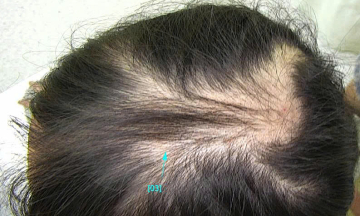
: Increased facial and body hair, thinning hair at the temples, irregular menstrual cycles, a deep voice, weight gain, weakness and muscle mass loss, easy bruising, and high blood sugar and blood pressure.
Ovarian tumors do not always cause symptoms. When symptoms occur, they often include bloating, abdominal pain, feeling full quickly, and frequent or urgent urination.
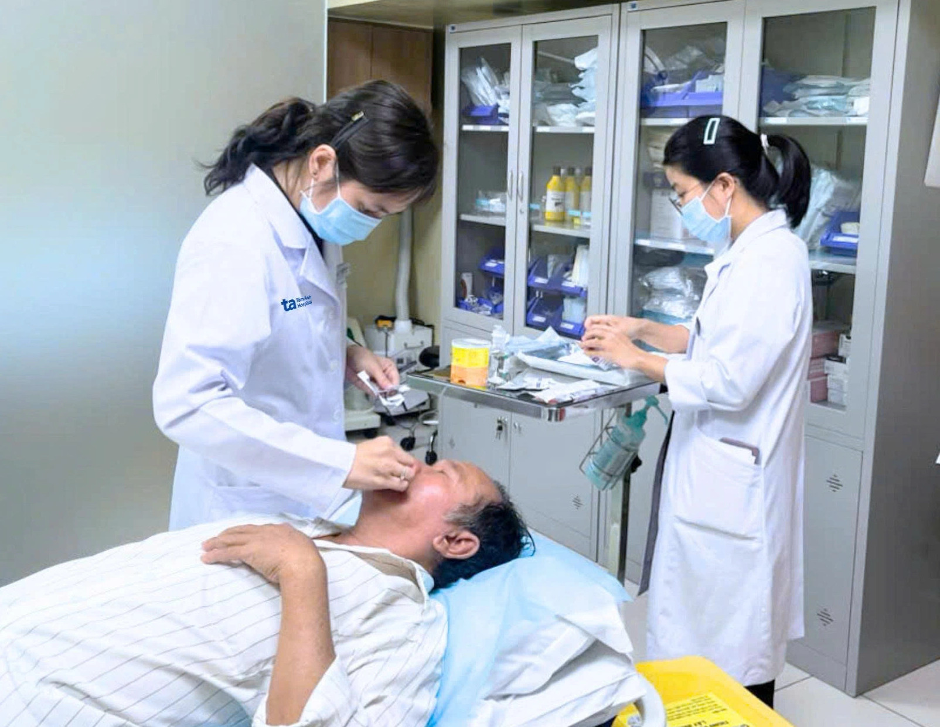
To diagnose high testosterone levels, doctors will inquire about symptoms such as mood changes and menstrual irregularities. Blood tests can be performed to check testosterone levels, and an ultrasound may be used to examine for ovarian abnormalities.
Once the cause is identified, doctors typically recommend lifestyle adjustments, including diet and exercise, along with medication to treat the condition and rebalance the endocrine system.
Patients should limit foods high in sugar and refined carbohydrates, while increasing protein and healthy fats. Engage in moderate-intensity cardiovascular exercise such as brisk walking, jogging, cycling, or swimming for a total of 150 minutes per week. Maintaining a healthy weight can improve fertility and regulate menstrual cycles.
By Anh Ngoc (Compiled)