Nutritionist Tran Pham Thuy Hoa, from the Department of Nutrition at Tam Anh General Hospital, Hanoi, states that 100 g of dried lotus seeds contain approximately 350 calories, 17-18 g of protein, complex carbohydrates, and a low fat content. Lotus seeds are also rich in magnesium, potassium, iron, folate, and B vitamins, which support energy metabolism. This food is low in sodium and cholesterol-free, making it suitable for inclusion in a healthy diet for women.
Reduce stress, improve sleep
Including lotus seeds in meals, particularly in the evening, can help the body relax and promote sound sleep. This food is beneficial for women who frequently experience stress, work pressure, or restless sleep.
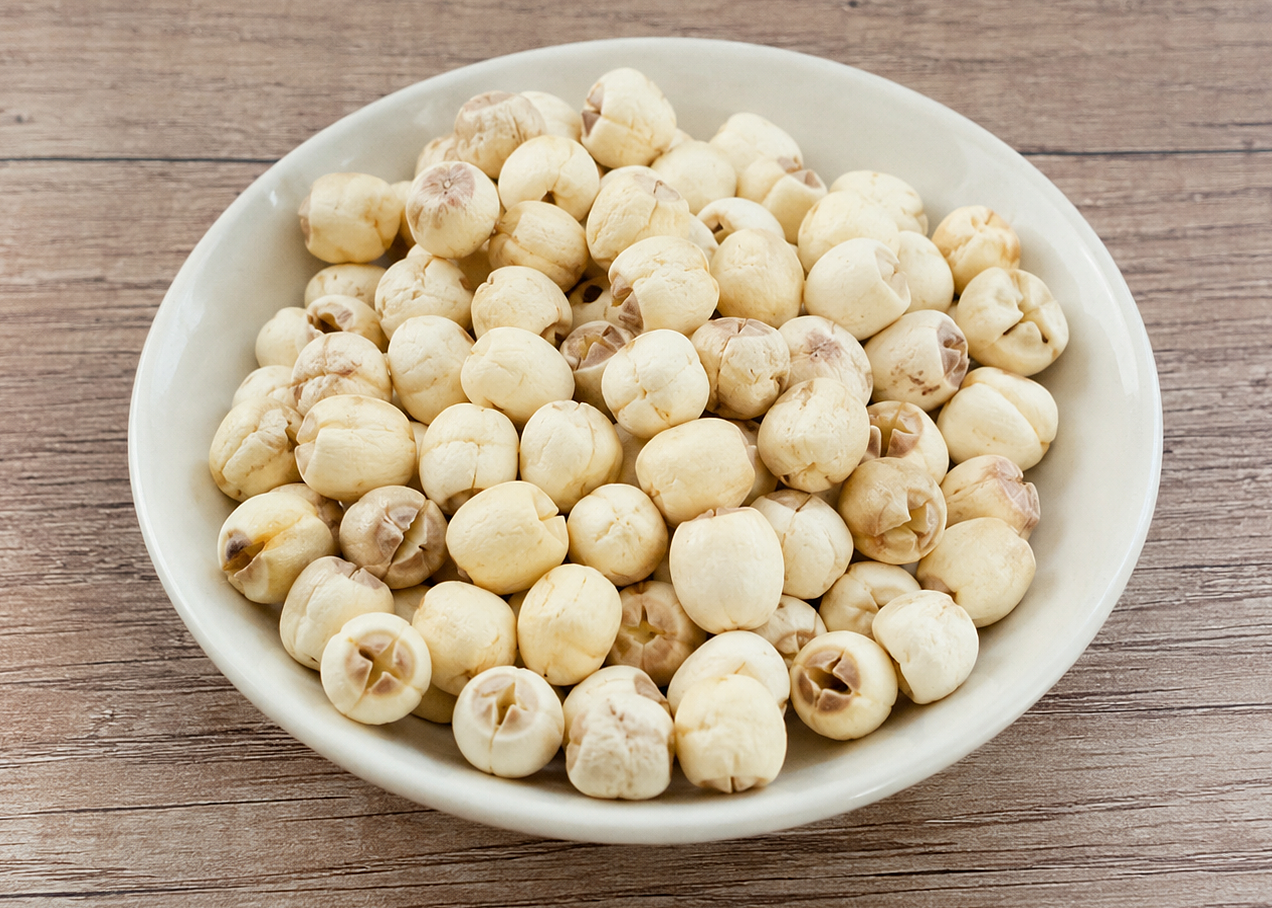 |
Lotus seeds are rich in nutrients and have a low fat content. *Photo: Van Anh*
Improve reproductive health
Lotus seeds contain iron, folate, and many beneficial minerals, supporting blood production and providing nutrition for women. Rich in fiber and essential micronutrients, lotus seeds help the body reduce fatigue and support health during periods of hormonal change, such as perimenopause.
For pregnant women, lotus seeds provide protein, folate, and energy, which are good for fetal development and supplement nutrition during pregnancy.
Beautify skin
Protein, antioxidants, and many beneficial micronutrients in lotus seeds nourish skin and hair from within. When included in a balanced diet, lotus seeds help limit weak, brittle hair prone to breakage due to nutritional deficiencies.
Support blood sugar control
The fiber and protein in this food help create a lasting feeling of fullness. Lotus seeds have a relatively low glycemic index, which supports blood sugar control and limits cravings. Lotus seeds can be a good choice for women who want to maintain their physique and support metabolic processes in the body.
Good for bones, joints, and cardiovascular health
Lotus seeds provide minerals such as magnesium, potassium, and calcium, which are beneficial for bone and cardiovascular function. Potassium helps maintain stable blood pressure, while magnesium participates in many of the body's metabolic activities.
Nutritionist Thuy Hoa notes that women can consume about 20-30 g of dried lotus seeds or 50-70 g of fresh lotus seeds daily as part of a balanced diet. It is advisable to eat them as a snack or in the evening for a light feeling in the stomach. Thoroughly cooking lotus seeds, such as stewing, making sweet soup, or preparing porridge, instead of eating them raw, aids digestion. Combining this food with oats, red dates, longan, or ginger can create diverse dishes to suit various tastes.
Individuals with poor digestion, who easily experience bloating, or frequently have diarrhea should consume lotus seeds in moderation. Combining them with ginger in some dishes can enhance flavor and create a warm sensation in the stomach.
Pregnant women, postpartum women, or individuals with underlying medical conditions should maintain a diverse, balanced diet and consult a nutritionist if they wish to consume lotus seeds regularly.
Van Anh
| Readers can submit nutrition questions here for a doctor's response. |