Yoga
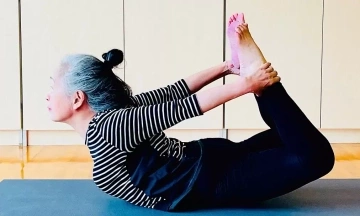
According to WebMD, yoga is a form of natural strength training where the body uses its own weight to create resistance against gravity. Standing poses like warrior can impact muscle groups and bones in the hips and legs. Meanwhile, downward-facing dog strengthens the wrists, arms, and shoulders. Cobra pose focuses on the core and back muscles, supporting spinal health.
Yoga also improves balance, coordination, focus, and body awareness, which helps prevent falls. Individuals with osteoporosis should consult their doctor to adjust exercises as needed.
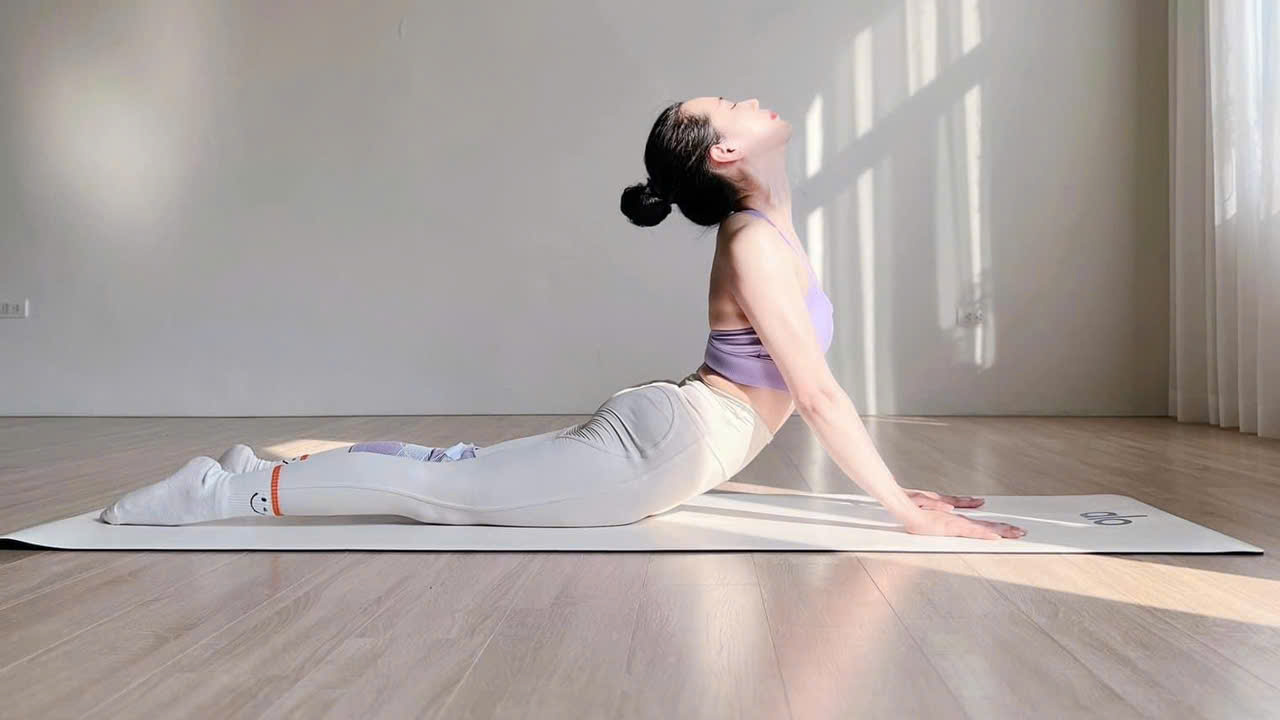 |
Practicing yoga can promote strong bones and joints. *Photo: Quyn Tho* |
Squats
According to the Times of India, squats can strengthen leg muscles and support bone and joint health, particularly in the hips and thighs – areas prone to age-related issues. Beginners without knee problems can perform squats without weights.
To perform a squat, stand with feet shoulder-width apart, lower your body as if sitting in a chair, then stand back up. Once comfortable, you can add dumbbells to increase difficulty. The typical goal is 10-15 repetitions per set, performing 3 sets depending on your fitness level.
Stair climbing
As the body moves up and down stairs, muscles in the thighs, glutes, and calves work hard, increasing muscle strength and protecting joints. This activity also applies appropriate pressure to bones, stimulating bone tissue regeneration and contributing to a reduced risk of osteoporosis. The exercise also improves overall balance and coordination, while reducing the risk of falls.
However, individuals with knee pain or osteoarthritis should perform this exercise at an appropriate intensity to avoid putting excessive pressure on their joints.
Walking
Walking can strengthen muscles around the knee and hip joints, reducing pressure on them during movement. This exercise also supports blood and joint fluid circulation, helping to nourish joint cartilage.
Regular walking helps control weight, preventing excess weight – a factor that increases the risk of joint pain and osteoarthritis. This form of exercise suits many ages, is easy to perform, and carries a low risk of injury.
Everyone should aim for at least 30 minutes of exercise daily, maintaining consistency throughout the week. Varying terrain, such as walking on slopes, beaches, or grass, can increase exercise effectiveness.
Racket sports
Badminton, tennis, or pickleball can strengthen muscles, improve balance, and maintain joint flexibility if performed with proper form. However, due to the nature of quick direction changes, jumping, and repetitive movements in the hands, shoulders, and knees, players may experience injuries or joint pain if they overtrain or do not warm up thoroughly.
To protect your joints, you should warm up thoroughly, choose an intensity suitable for your fitness level, use appropriate footwear and equipment, and allow your body time to recover.
Le Nguyen (Compiled)