Bananas are a popular, easy-to-eat fruit, often used in smoothies, cakes, desserts, and many other dishes. Many people choose bananas for breakfast due to their convenience. Moreover, consuming this food for breakfast offers several notable benefits.
Provides morning energy
Bananas contain carbohydrates and natural sugars, providing a quick energy source for the body. A banana also contains fiber, which helps slow down digestion and carbohydrate absorption, differentiating it from high-sugar, low-fiber foods.
According to Healthline, bananas can be a suitable choice for breakfast or as a pre-breakfast snack due to their potassium and vitamin B6, C content. However, because this fruit is relatively high in carbohydrates and natural sugars, consuming it alone may increase blood sugar, especially in people with type 2 diabetes.
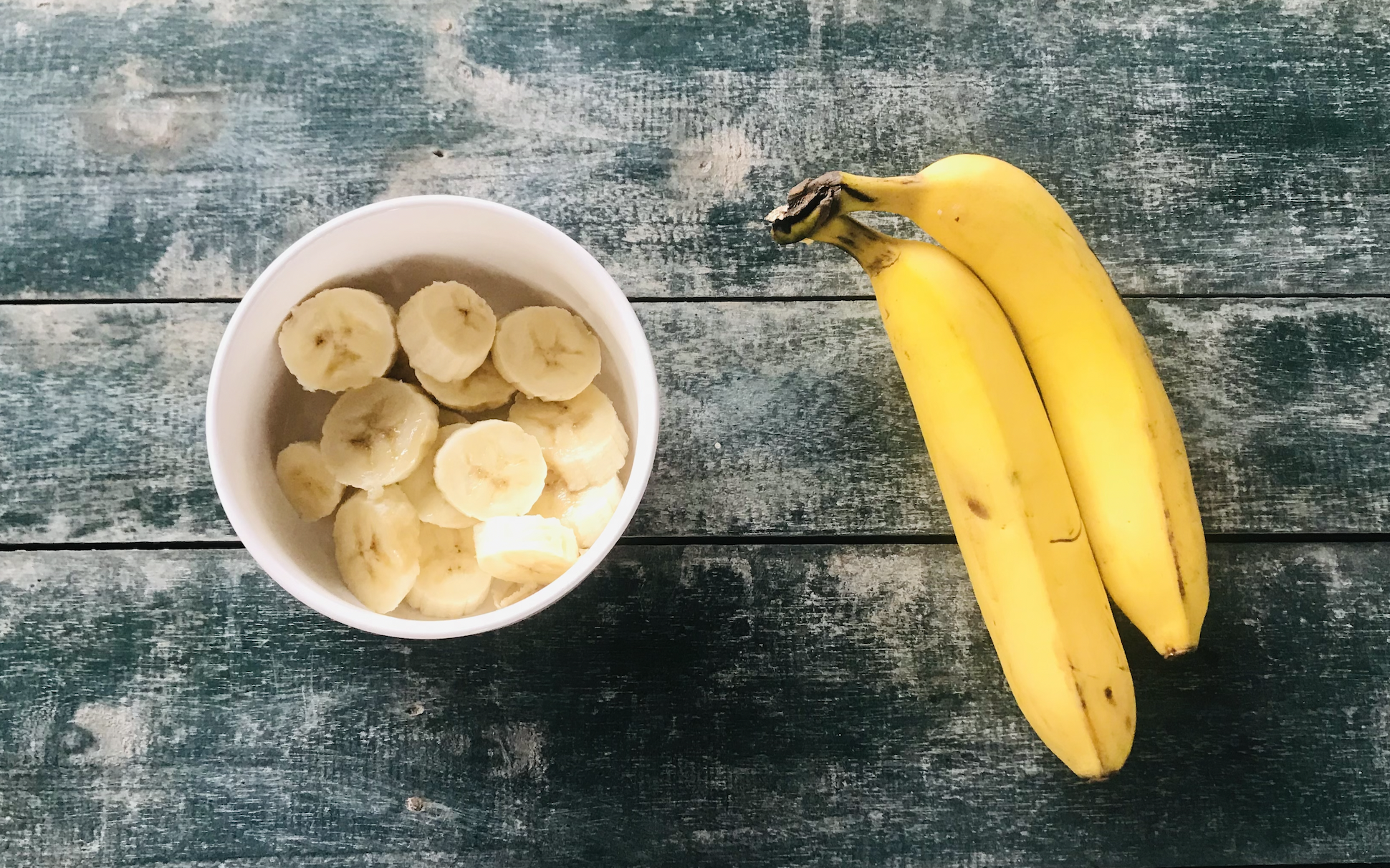 |
Bananas contain carbohydrates and natural sugars, providing a quick energy source for the body. Photo: Bao Bao |
Aids digestion, increases satiety
A medium-sized banana provides about 3 g of fiber, which contributes to slowing gastric emptying, increasing satiety, and supporting bowel movements. Eating green bananas also adds resistant starch, a form of fiber difficult to digest in the small intestine, which beneficial gut bacteria can utilize.
Therefore, adding bananas to breakfast can help increase dietary fiber intake. However, it is important to note that the ripeness of the fruit also affects its carbohydrate and resistant starch content.
Replenishes potassium, supports muscle and heart function
Bananas are rich in potassium, an essential mineral for fluid balance, muscle, and nerve function. Potassium also plays a role in blood pressure regulation.
Electrolytes like potassium and magnesium also help prevent cramps and aid muscle recovery. According to Times of India, eating bananas before or after exercise provides energy to muscles and helps rehydrate the body. This is also one reason bananas often appear in athletes' diets.
Considerations when eating bananas for breakfast
Bananas are rich in carbohydrates and fiber but relatively low in protein and fat. Therefore, eating only one banana for breakfast may not provide all necessary nutrient groups. You can eat bananas before breakfast or combine them with other foods. A medium-sized banana provides about 3 g of fiber, which helps support digestion and create a feeling of fullness.
According to Healthline, bananas should be combined with protein-rich foods and healthy fats for a more complete and balanced meal. For example: you can eat bananas with Greek yogurt, chia seeds, add sliced bananas to a bowl of oatmeal with nuts, or have bananas with eggs.
Who should be cautious about eating bananas daily?
People with kidney disease, especially those with impaired kidney function or high blood potassium levels, may need to control their intake of potassium-rich foods. According to the National Kidney Foundation (NKF), bananas are a potassium-rich food. Kidney patients need to adjust their potassium intake depending on kidney function, blood potassium levels, and medications used.
Diabetics should also pay attention to their banana intake because fruit provides carbohydrates, which can increase blood sugar.
Bao Bao (Compiled)