Hypersensitivity pneumonitis is a chronic inflammatory lung condition resulting from an overactive immune response to environmental allergens. These allergens, often small organic dust particles, fungal spores, bacteria, or chemicals, easily penetrate the alveoli when inhaled. The condition is not contagious and primarily affects individuals with sensitive constitutions and specific genetic predispositions.
High-humidity environments are ideal for mold growth in the air and on surfaces. Common exposure sources include humidifiers, uncleaned air conditioners, carpets, old paper, damp wood, and agricultural materials such as straw or dry grass. When fungal spores disperse into the lungs, an allergic individual's body triggers an inflammatory response in the alveoli, impairing gas exchange.
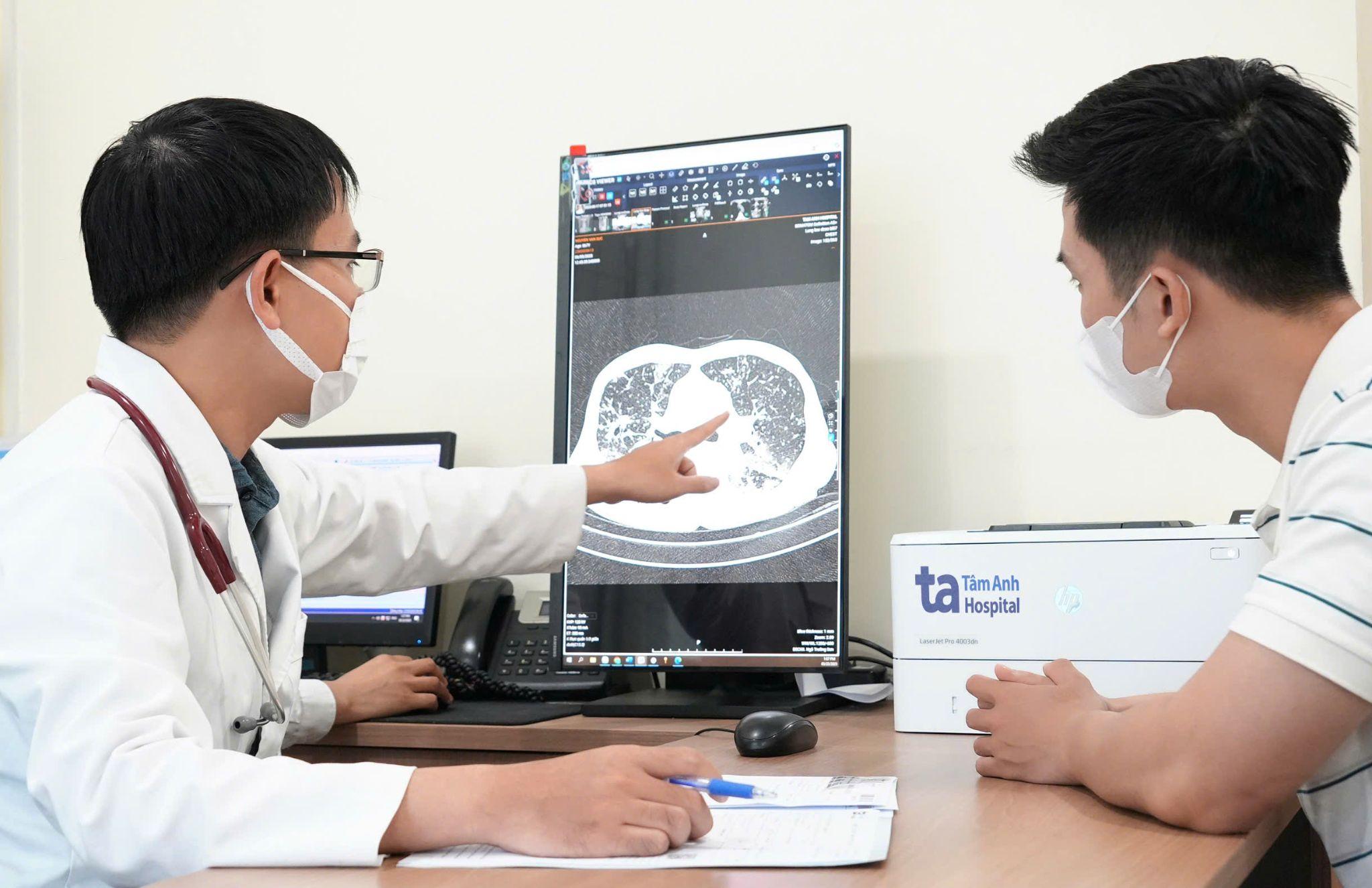 |
Doctor Do examines a patient. Illustration: Tam Anh General Hospital
Hypersensitivity pneumonitis is often overlooked due to its non-specific initial symptoms, which are easily confused with the flu or common respiratory infections. In the acute phase, patients experience sudden dry cough, mild fever, fatigue, chest tightness, and increased difficulty breathing upon exertion. These symptoms typically appear several hours to several days after allergen exposure. Doctors may misdiagnose the condition as a viral respiratory infection if they do not thoroughly investigate the patient's occupational exposure and living conditions, leading to delayed treatment.
Effective treatment for mold-induced hypersensitivity pneumonitis involves environmental improvements and appropriate medical intervention. Patients must stop allergen exposure, which includes thoroughly eliminating mold sources at home or work. Depending on the extent of lung damage, medications may be prescribed to control excessive inflammation and improve respiratory symptoms. Supportive treatments, such as bronchodilators, respiratory rehabilitation exercises, assistance with sputum clearance, or oxygen therapy, may be used as needed. A complete and balanced diet is also crucial for recovery.
Individuals experiencing persistent cough, progressively worsening shortness of breath, or unexplained fatigue should seek early medical attention. Prompt diagnosis and appropriate treatment can limit the risk of complications and chronic respiratory failure.
Master, Doctor Dang Thanh Do
Department of Respiratory Medicine
Tam Anh General Hospital, Ha Noi
| Readers can submit respiratory questions here for a doctor's response. |