Pancreatitis impairs the production of digestive enzymes, making food processing difficult.
Dr. Nguyen Thi Thu Hai, from the Department of Gastroenterology, Hepatology, Biliary, and Pancreatic Diseases at Tam Anh General Clinic, District 7, states that a proper diet provides essential energy and micronutrients to stabilize metabolism, reduce the risk of recurrent inflammation, and help control blood sugar to prevent complications such as hypertriglyceridemia or diabetes. This enables patients to shorten their recovery time and improve digestive function. Dietary adjustments are necessary for each stage of the disease.
Acute stage
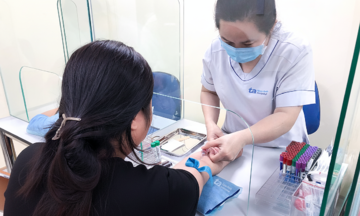
Patients must fast completely for the initial 24 hours as prescribed by a doctor. Doctors administer intravenous fluids to maintain energy, while patients should also drink 1,5-2 liters of water daily to prevent dehydration. Throughout this period, doctors closely monitor electrolyte and blood sugar levels to ensure the patient's stable condition.
 |
Dr. Hai examines a patient. *Photo: Tam Anh General Hospital*. |
Post-acute stage
As acute pancreatitis symptoms improve, patients can gradually resume eating under medical guidance. The diet should adhere to the principle of: small portions, liquid, and no fat, to reduce the pancreas's workload. Patients should start with liquid foods, then gradually progress to thick porridge and soft rice. Suitable foods for this stage include easily digestible starches (porridge, soft rice, white bread), light, low-fat proteins (lean chicken, steamed fish, boiled eggs), cooked vegetables, and soft fruits (banana, papaya, apple).
Recovery stage
At this point, pancreatic function gradually stabilizes, allowing patients to return to a more varied diet while controlling fat intake. It is advisable to incorporate healthy fats (olive oil or omega-3) and consume 5-6 small meals a day for better absorption, supporting recovery and minimizing post-meal abdominal pain. Priority foods during this recovery phase include: soft rice, boiled potatoes, skinless chicken, steamed fish, tofu, boiled eggs, boiled green vegetables, ripe papaya, banana, and apple. Adequate daily water intake is essential to maintain electrolyte balance and reduce dehydration risk.
Across all three stages, patients must avoid high-fat, greasy foods such as fried chicken, french fries, and fried rice. Complete abstinence from alcohol and stimulants is crucial. Foods containing coarse fiber, such as whole seeds, raw vegetables, and hard fruits, should also be limited. These can overstimulate the pancreas, increase pancreatic enzymes, cause abdominal pain, and impede the recovery process.
Thao Nhi
| Readers can submit questions about digestive diseases here for doctors to answer. |