Response:
Polysinusitis is a condition characterized by inflammation and swelling of the mucous membranes lining multiple sinus cavities, involving at least two or more sinuses. The sinus system comprises the maxillary, ethmoid, frontal, and sphenoid sinuses on both sides of the face. Common symptoms include nasal congestion, thick or purulent nasal discharge, facial pain, a reduced sense of smell, and fatigue. The accumulation of mucus in the sinuses leads to inflammation and swelling, increasing pressure, causing blockages, and resulting in headaches.
Acute polysinusitis is primarily caused by viruses, commonly including rhinovirus (the common cold virus), influenza, and parainfluenza (viruses that cause upper respiratory tract infections). A smaller percentage of polysinusitis cases are bacterial or involve bacterial superinfection following a viral infection. If left untreated, inflammation in one sinus can easily spread to other cavities.
Abnormal anatomical structures, such as a deviated septum or nasal polyps, can hinder sinus drainage, creating an environment conducive to bacterial and fungal growth. Factors like allergies, dust, and mold can cause the sinus lining to swell, especially in individuals with allergic rhinitis or chronic rhinitis, making them more prone to recurrent sinusitis. Subsequently, inflammation can spread from one sinus cavity to another, leading to polysinusitis.
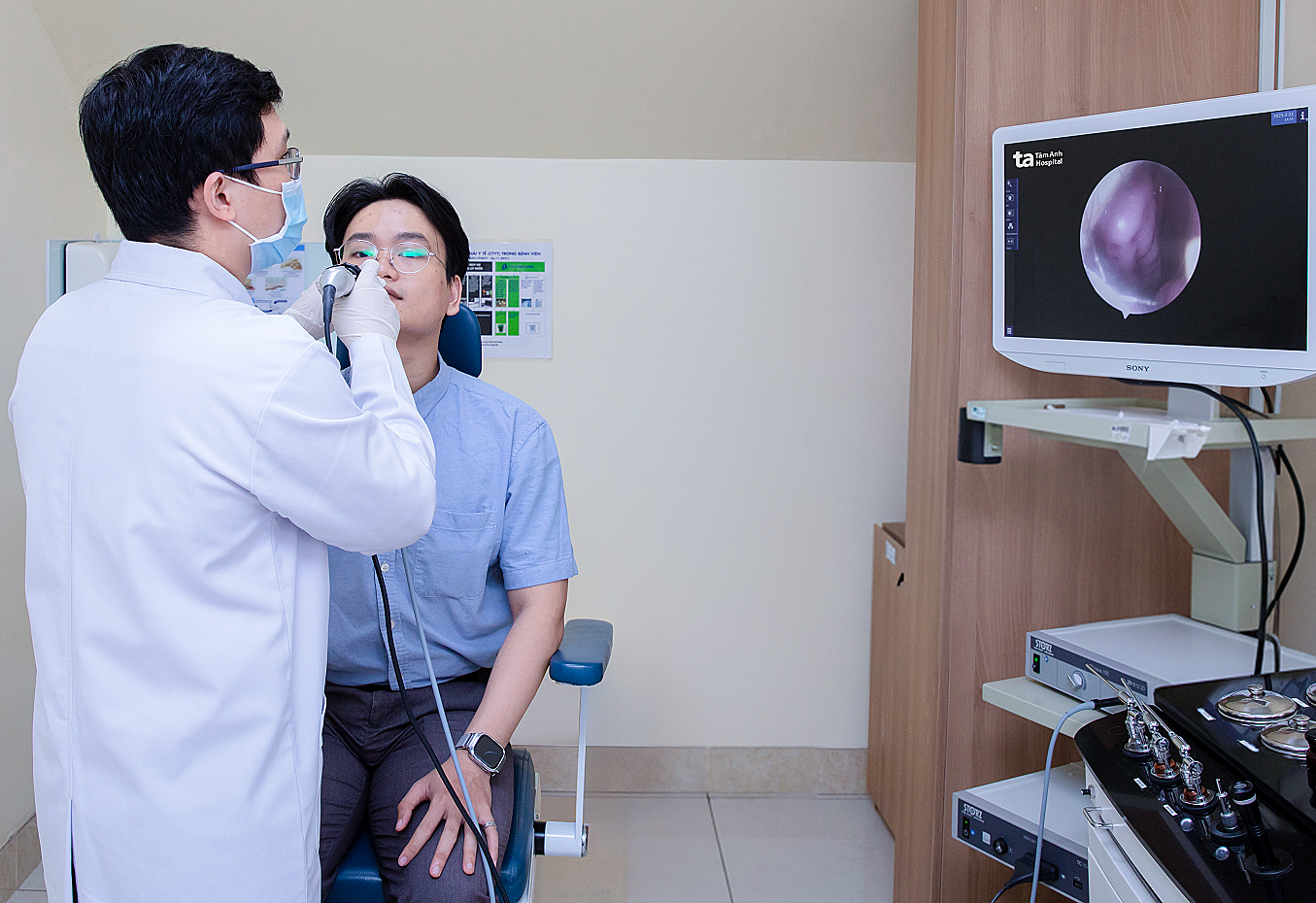 |
Doctor Tuong performs a nasal endoscopy on a patient. Illustration: Tam Anh General Hospital
Diagnosis of polysinusitis typically involves a doctor reviewing symptoms and performing an ear, nose, and throat endoscopy. In some cases, a computed tomography (CT) scan of the maxillofacial region may be ordered for a comprehensive evaluation.
Patients often respond well to medical treatment, which includes: antibiotics, systemic or topical anti-inflammatory medications, antihistamines, and symptom relievers. Patients are also advised to drink plenty of fluids to thin mucus and use nasal sprays to aid treatment. Avoiding exposure to allergens or irritants such as cold air, cigarette smoke, and polluted environments is also recommended.
If chronic polysinusitis does not respond to medical treatment or if complications arise, doctors may recommend surgery to remove diseased tissue and correct anatomical abnormalities causing obstruction, such as a deviated septum or enlarged nasal turbinates.
To prevent the condition, individuals should avoid colds and other infections, maintain a healthy diet, get flu vaccines, keep warm, wash hands frequently, and avoid contact with allergens. Those with the flu or acute rhinitis/pharyngitis should seek prompt medical attention and complete treatment to prevent severe progression or complications.
Master, Doctor, Level I Specialist Truong Tri Tuong
Ear, Nose, and Throat Center
Tam Anh General Hospital, Ho Chi Minh City
| Readers can submit questions about ear, nose, and throat conditions here for doctors to answer. |