


The Atkins diet is a long-term eating plan that emphasizes foods rich in protein, saturated fats, and low-carb vegetables. Its primary goal is to reduce overall carbohydrate intake, thereby helping the body burn excess fat. This diet is structured into four distinct phases:
Phase one, known as induction, involves strict dietary restrictions. During this period, individuals must avoid all fruits, bread, grains, starchy vegetables, dairy products (except cheese and butter), and alcohol. Carb intake is limited to a maximum of 20 g per day, a significant reduction from the typical recommended 300 g. The focus is on healthy fats, lean protein, and low-carb vegetables such as leafy greens. This initial phase is designed to last at least two weeks.
Phase two, or balancing, gradually reintroduces a wider variety of foods. Dieters can add certain low-carb vegetables, nuts, and small portions of fruit. The permitted carb intake ranges from 25 g to 45 g daily. This is the longest phase of the Atkins diet, often extending for several months or until the individual is 4,5-5 kg away from their target weight.
Phase three, referred to as fine-tuning, allows for further increases in carb consumption. An additional 10 g of carbs can be added to the diet weekly, incorporating starchy vegetables and whole grains. This phase continues until the desired weight is achieved.
Phase four focuses on maintenance. In this final stage, individuals are encouraged to sustain the eating habits established in previous phases, keeping their daily carb intake between 80-100 g to prevent weight regain.
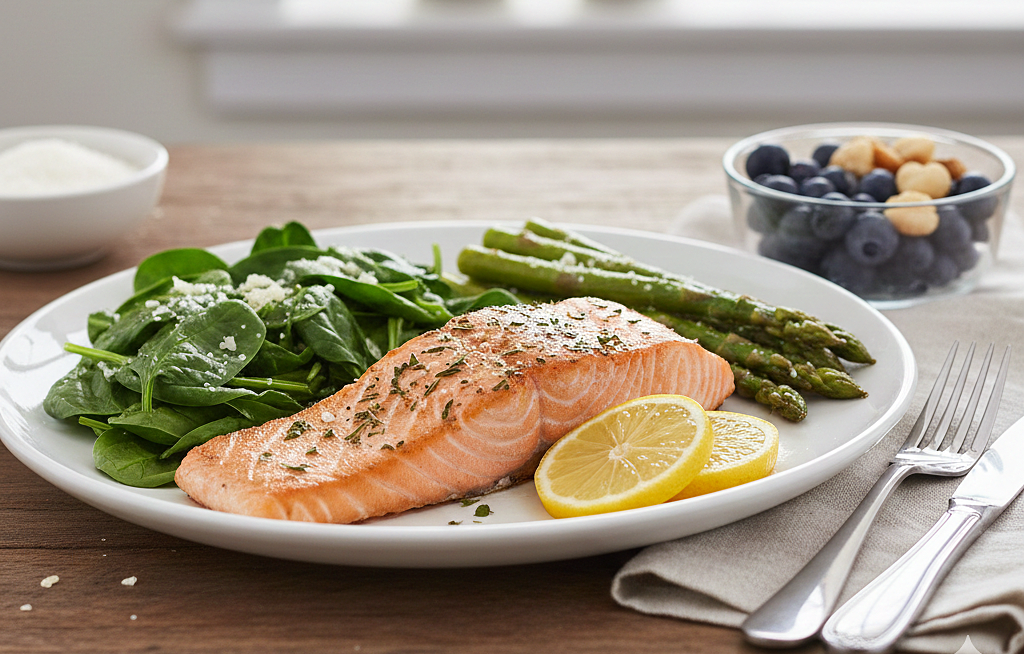 |
The Atkins diet helps maintain very low carb levels. *AI-generated image* |
Foods suitable for the Atkins diet include chicken, fish, seafood, eggs, kale, spinach, broccoli, asparagus, full-fat dairy, various nuts, and plant-based healthy fats. Conversely, dieters should avoid sugary foods such as soft drinks, fruit juices, pastries, and candies. Grains, seed oils, high-carb vegetables and fruits (like carrots, radishes, bananas, pears, potatoes, and sweet potatoes), legumes, and trans fats are also to be excluded.
Individuals following the Atkins diet must commit to maintaining a low-carb intake long-term, even after reaching their weight goals. Returning to normal eating habits without controlling carb consumption can easily lead to weight regain. Furthermore, a very low-carb diet carries the risk of nutritional deficiencies, potentially causing symptoms like nausea, headaches, fatigue, and diarrhea. It is advisable to consult a doctor for a health check-up and personalized dietary advice to ensure the most suitable and safe approach.
Doctor Vo Tran Nhu Thao
Endocrinology - Diabetes Unit
Tam Anh General Clinic, District 7
| Readers can submit questions about endocrine diseases here for a doctor's response. |


