While losing about 50-100 hairs daily is considered normal, unusually heavy hair loss, thinning hair, or slow hair growth may signal underlying nutrient deficiencies. According to Healthline, hair follicles, among the body's fastest-dividing cell structures, are highly sensitive to imbalances in vitamins and minerals. Insufficient nutrient supply can disrupt the hair's growth cycle, leading to weak hair, increased shedding, and slow regrowth.
Several key nutrients are crucial for healthy hair:
**Iron**
Iron deficiency can disrupt the hair's growth cycle, causing hair to prematurely enter the resting phase and shed more. Individuals experiencing hair loss often have lower iron and ferritin levels than average. Beyond hair loss, symptoms of iron deficiency include fatigue, pale skin, dizziness, or brittle nails. Women of reproductive age, strict vegetarians, and those with menorrhagia face a higher risk. Iron-rich foods include red meat, animal liver, seafood, lentils, and dark leafy greens.
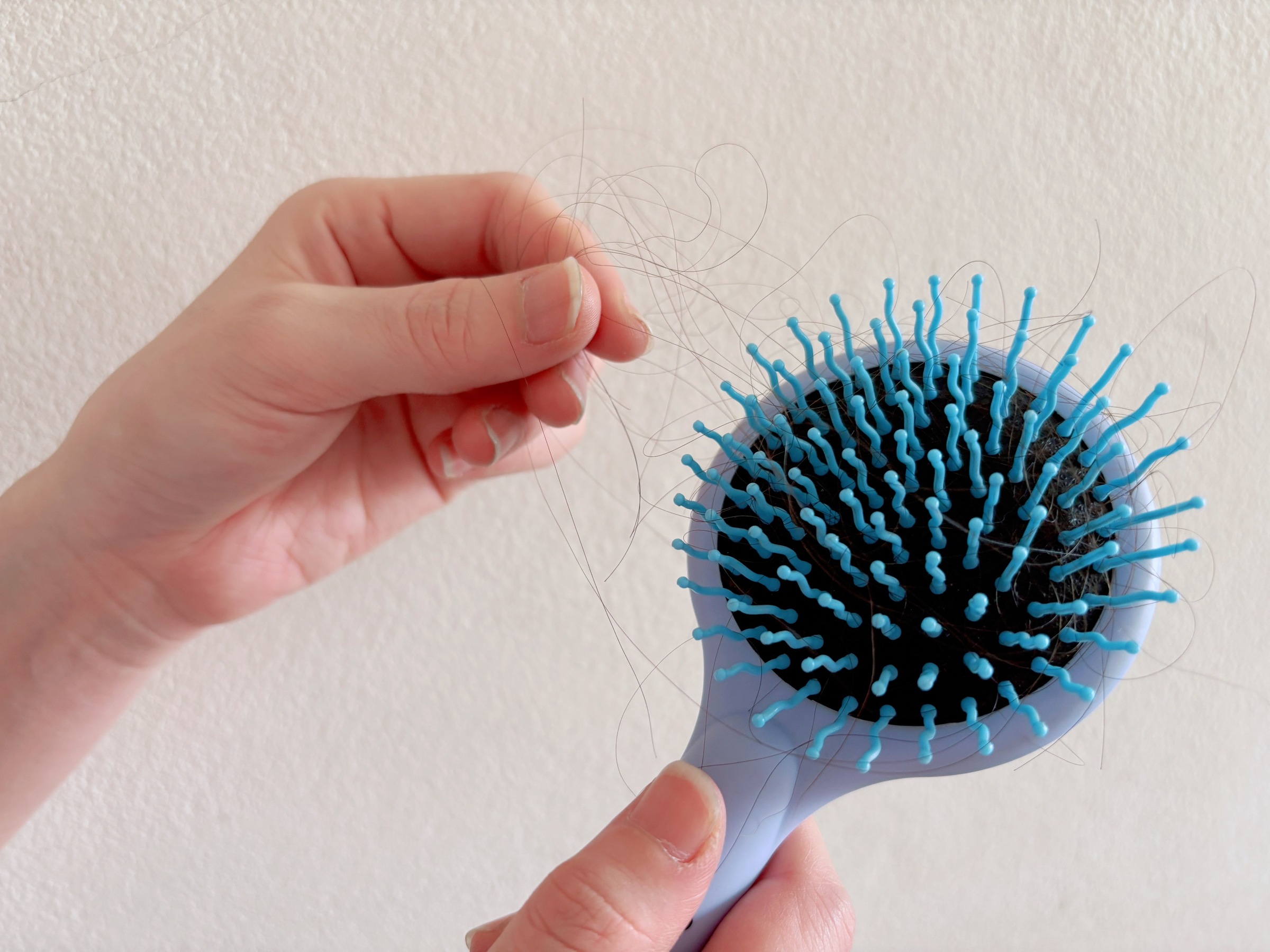 |
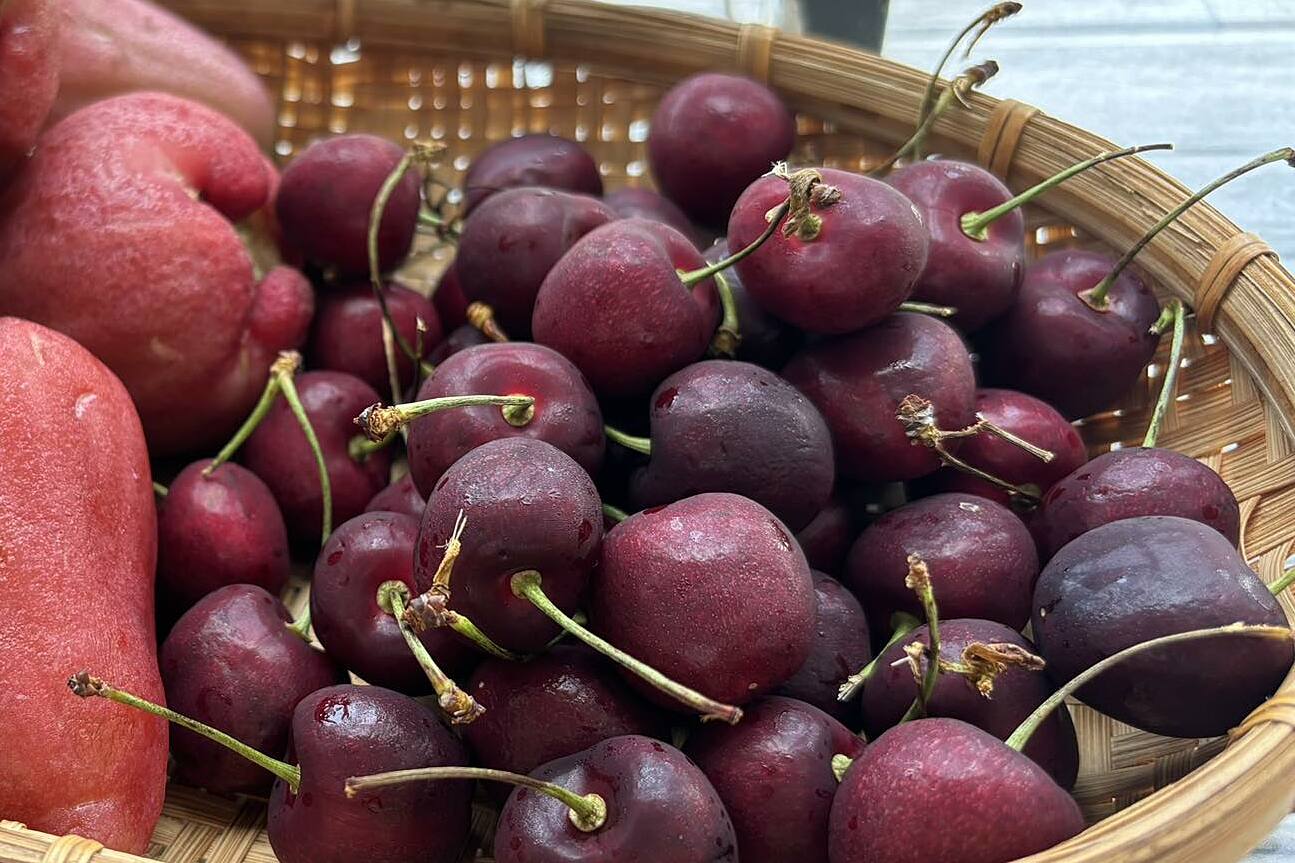
Prolonged hair loss may be linked to certain nutrient deficiencies. *Bao Bao* |
**Vitamin D**
Vitamin D plays a role in forming and maintaining hair follicle activity. Low vitamin D levels are linked to various forms of hair loss, especially alopecia areata, according to Health. This vitamin is abundant in fatty fish, egg yolks, and fortified milk, and is also synthesized when skin is exposed to sunlight.
**Vitamin B12 and B9**
Vitamin B12 and folate (B9) are essential for red blood cell production, which transports oxygen and nutrients to hair follicles. Deficiencies in these two vitamins can affect normal hair growth, making hair weaker and more prone to loss. People with B12 deficiency often experience fatigue, numbness and tingling in limbs, memory loss, or anemia. Strict vegetarians, the elderly, and those with gastrointestinal diseases that reduce nutrient absorption are at higher risk.
**Zinc**
Zinc deficiency can lead to thinner, more brittle hair, increased shedding, and slow growth. Zinc participates in protein synthesis, cell division, and hair follicle repair. Food sources rich in zinc include oysters, beef, poultry, pumpkin seeds, cashews, and legumes.
**Protein**
While iron is a micronutrient strongly linked to hair loss, protein mainly affects the rate of hair growth. Hair is primarily made of keratin, a type of protein. Diets too low in protein or strict calorie restriction can cause the body to prioritize nutrients for more vital organs, leading to halted hair growth and increased shedding. Individuals undergoing rapid weight loss, prolonged meal skipping, or following highly restrictive diets are often prone to thinning hair and slow hair growth.
According to the Times of India, other micronutrients like vitamin C, B vitamins (biotin), and vitamin A also contribute to hair health. However, self-administering high-dose vitamin or mineral supplements may not necessarily accelerate hair growth. Conversely, excess vitamin A, iron, or selenium can increase hair loss and cause adverse health effects.
It is important to note that hair loss can also be linked to genetics, hormonal changes, thyroid disease, prolonged stress, or medication side effects. Therefore, individuals experiencing persistent hair loss should consult a specialist to determine the exact cause instead of self-medicating with supplements.
Bao Bao (Compiled)