Melasma and freckles are common hyperpigmentation conditions caused by excessive melanin accumulation. Sun exposure, hormonal shifts, aging, and skin damage can accelerate their formation.
Despite consistent skin care, many individuals find their melasma and freckle spots darken over time. According to pharmacist Do Xuan Hoa from the Medical Information Center at Tam Anh General Hospital TP HCM, this often stems from common errors in daily routines and treatment approaches.
Improper sun protection
Insufficient sunscreen application, using an inappropriate sun protection factor (SPF), or only applying sunscreen when outdoors or in intense sunlight, all diminish sun protection effectiveness and worsen skin pigmentation issues such as melasma and freckles.
Pharmacist Hoa advises daily sunscreen use, ensuring adequate application to cover all exposed skin. This, combined with protective clothing like masks, wide-brimmed hats, long-sleeved shirts, and sunglasses, forms an effective defense against sun damage.
 |
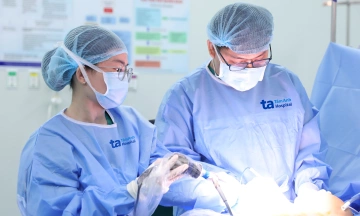
A doctor at Tam Anh General Hospital examines a patient's skin. *Photo courtesy of the hospital.* |
Using products of unknown origin
Numerous products claim to rapidly fade melasma but lack complete ingredient lists or clear origins. Substandard creams may contain harmful chemicals such as corticoids and mercury, which can irritate and damage the skin, leading to increased melanin production.
Impatience
Many individuals frequently switch products or discontinue treatment before observing noticeable results. Pharmacist Hoa explains that melasma and freckles often take weeks, or even months, to improve, depending on the underlying cause and the extent of hyperpigmentation. Inadequate or improperly timed interventions can disrupt melanin regulation, yielding disappointing treatment outcomes.
Over-whitening the skin
In their eagerness to quickly improve melasma, many individuals self-administer products with strong skin-whitening or regenerating ingredients, such as retinol, chemical peels, and exfoliants. These approaches can compromise the skin's protective barrier, increasing its sensitivity to sun exposure and environmental aggressors. Prolonged irritation and damage to the skin heighten the risk of increased melanin production and more stubborn pigment spots.
Only external skin care
Hormonal shifts during pregnancy, postpartum, perimenopause, and menopause can stimulate melanin production. Additionally, poor nutrition, chronic stress, sleep deprivation, and certain medications can trigger hyperpigmentation, leading to melasma and freckles.
Pharmacist Hoa emphasizes the complexity of treating hormonally related melasma and freckles. While external care can fade these spots, it cannot eliminate them entirely, as it doesn't address the underlying melanin production mechanism. Effective treatment requires a combination of hormone-stabilizing medications and long-term internal aesthetic interventions to eliminate existing melasma and prevent new spots from forming.
To improve melasma and freckles, pharmacist Hoa advises proper skin care, a healthy lifestyle, adequate sleep, a balanced diet, stress management, and limited exposure to sun and irritants. Patients should consult a dermatologist to accurately diagnose the type and depth of pigmentation, identify contributing factors, and adhere to the prescribed treatment duration for effective monitoring.
Supplementing with natural essences like Sakura (from cherry blossoms), Pomegranate (extract from pomegranate), L-Glutathione, Collagen, and P. Leucotomos (from fern) can support anti-aging and help control melanin formation. When combined with a proper skin care regimen, these nutrients contribute to reducing melasma and freckles, minimizing dryness and wrinkles, and maintaining bright, healthy, and smooth skin, according to pharmacist Hoa.
Dinh Dieu