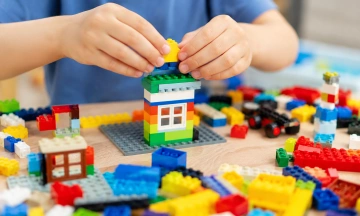
Eat a nutritious diet
To support healthy brain development in children, the body needs a full supply of essential nutrients, according to Times of India. Omega-3s, especially DHA, are vital components of nerve cells and play a role in brain growth. Protein provides necessary amino acids to build and maintain brain cells. Iron transports oxygen to the brain, while zinc supports nervous system activity and cognitive function.
B vitamins help the body convert energy efficiently, and antioxidants like vitamins C and E protect cells from oxidative stress damage. Maintaining a diverse, balanced diet supports a child's brain development and overall health.
Drink enough water
Adequate hydration supports all bodily functions, including brain activity. When dehydrated, children may feel tired, reducing their ability to focus and remember.
Beyond plain water, children can get fluids from age-appropriate milk or nut milk, coconut water, or unsweetened pure fruit juice in reasonable amounts. A child's water needs vary based on age, weight, activity level, and weather conditions. Infants under 6 months typically receive enough fluids from breast milk or formula, while older children need additional daily water intake according to their body's demands.
Play cognitive games
Cognitive games such as puzzles, word games, chess, or logic riddles aid in a child's brain development. Engaging in these activities requires children to observe, recall information, analyze situations, and find solutions. Overcoming challenges in these games also helps children learn persistence, emotional control, and boosts self-confidence, according to Today's Parent.
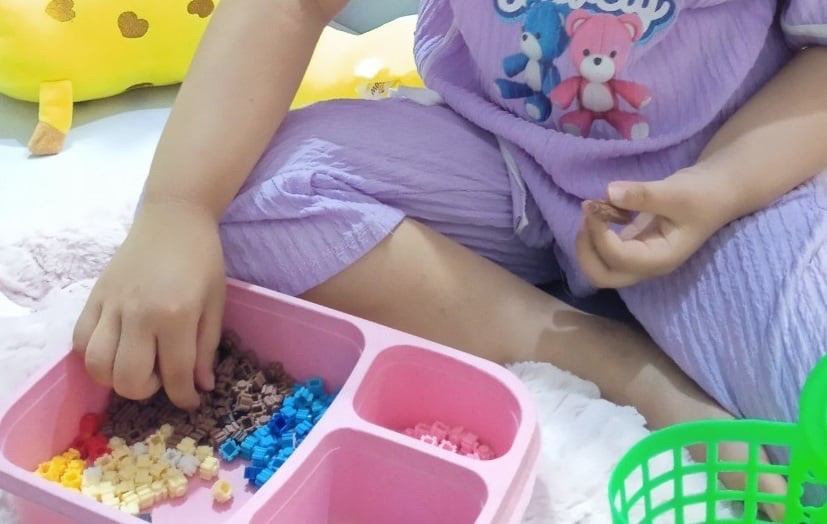 |
Playing games helps children develop their thinking skills. Photo: Kim Uyen |
Play sports
Sports that demand hand-eye-body coordination, like basketball, martial arts, dancing, or ballroom dancing, can help children improve reflexes, quick thinking, and problem-solving skills. Regular physical activity also enhances blood circulation, supporting oxygen and nutrient delivery to the brain.
Get enough sleep
During sleep, the brain processes and stores information received throughout the day, which strengthens memory. Sleep also plays a role in forming new neural connections, thereby supporting cognitive and language development. Adequate sleep helps children be more alert, improves their concentration, and regulates emotions.
According to Healthline, children aged 1-2 years should sleep 11-14 hours daily, 3-5 year olds need 10-13 hours, 6-12 year olds require 9-12 hours, and teenagers aged 13-18 years should get 8-10 hours of sleep daily.
By Le Nguyen (compiled)
| Readers can send questions about children's diseases here to receive answers from doctors. |