Answer:
A transient ischemic attack (TIA) is a temporary interruption of blood flow to the brain that quickly restores itself, without causing permanent brain damage or an acute ischemic stroke.
This condition shares causes with ischemic stroke, resulting from the accumulation of cholesterol-containing fatty deposits in the arterial branches supplying oxygen and nutrients to the brain. This leads to atherosclerosis and the formation of blood clots that block blood flow to the brain.
Symptoms of transient ischemic attack include weakness, numbness on one side of the body, difficulty speaking, dizziness, facial drooping, decreased or lost vision, loss of balance, or unconsciousness. Sometimes, mild, fleeting symptoms lasting only a few minutes lead patients to overlook them and not seek medical evaluation.
A transient ischemic attack is considered a warning sign of a stroke. If you suspect one, you should visit a specialized hospital for timely examination, diagnosis, and treatment to prevent a full stroke.
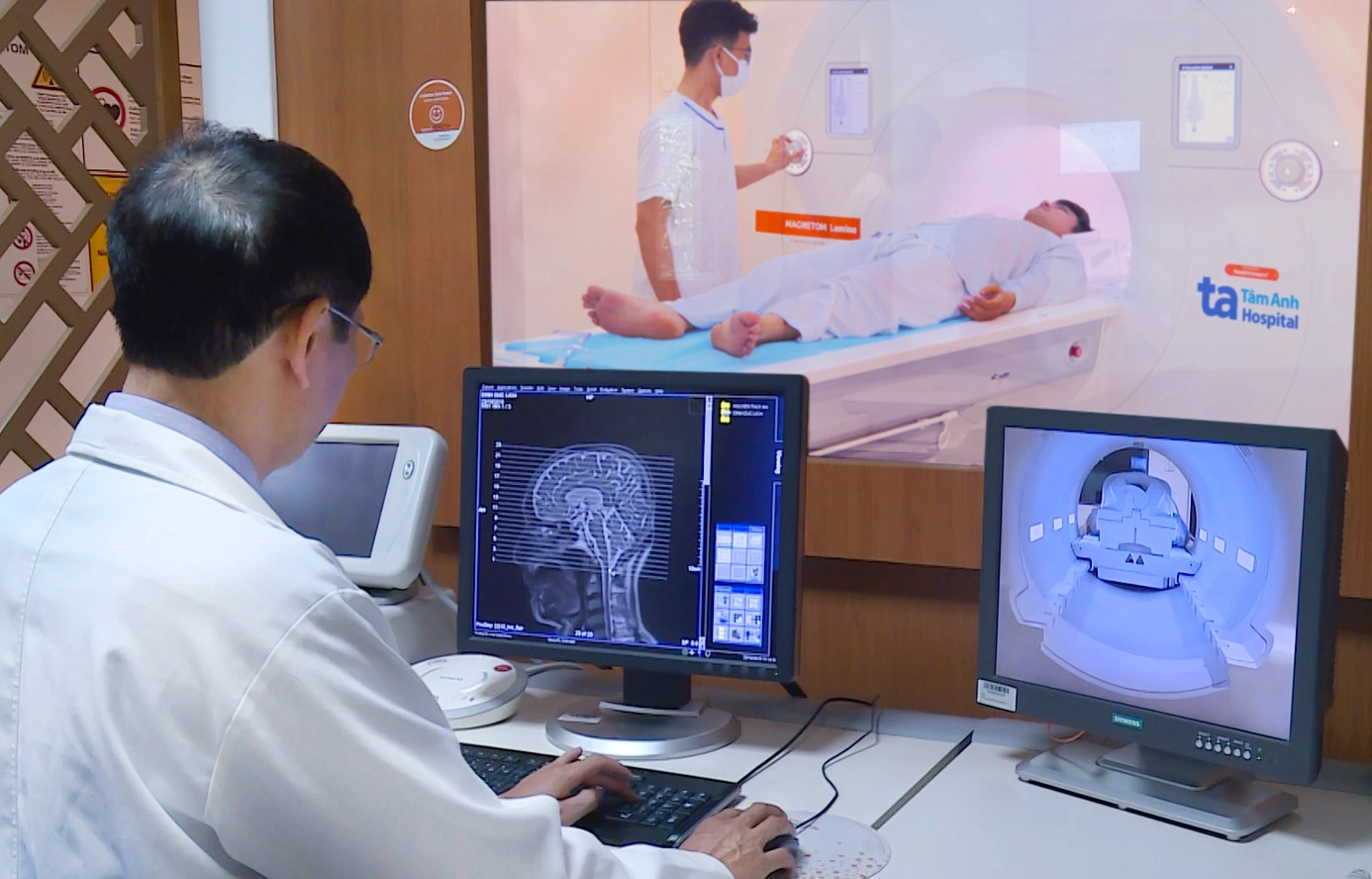 |
Magnetic resonance imaging (MRI) for patients with transient ischemic attack. *Photo: Tam Anh General Hospital* |
After assessing muscle strength, sensory disturbances, and signs of cranial nerve palsy such as facial paralysis, loss of eye movement, and motor coordination, doctors typically order several paraclinical tests:
Blood pressure measurement and an electrocardiogram (ECG) to determine blood pressure and identify any heart rhythm disorders.
Blood tests to check cholesterol levels, blood sugar, electrolytes, and certain hypercoagulable factors that can lead to atherosclerosis.
Carotid artery ultrasound if the doctor suspects narrowing of the artery in the neck, a potential cause of transient ischemic attack.
Echocardiogram to screen for heart problems that could produce blood clots in the heart chambers, leading to blockages.
Magnetic resonance imaging (MRI) or computed tomography (CT) scans to create 3D images of blood vessels, evaluate vascular abnormalities like narrowing, occlusion, or malformation, and rule out causes such as brain tumors or hemorrhage, which can present with symptoms similar to transient ischemic attack.
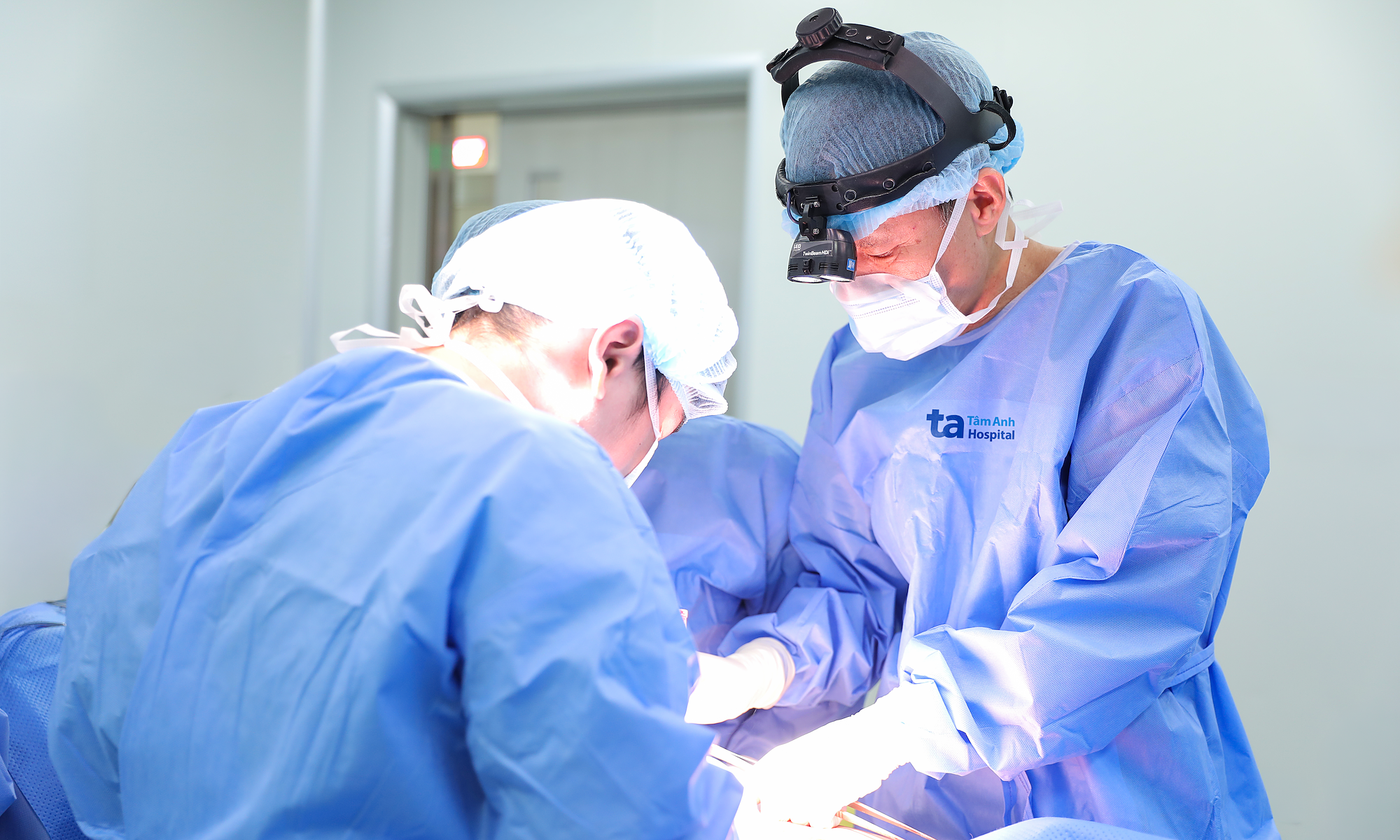
Based on examination and test results, doctors will prescribe treatment for transient ischemic attack using antihypertensive drugs and medication to prevent blood clot formation. Patients may also undergo endovascular intervention, such as thrombectomy if a blood clot is identified, or stenting and angioplasty if vascular narrowing is found. Endarterectomy is considered when other treatments are unsuccessful.
Master, Doctor Nguyen Thi Hai Yen
Department of Neurology and Stroke
Tam Anh Cau Giay General Clinic
| Readers can ask questions about neurological conditions here for a doctor's response. |