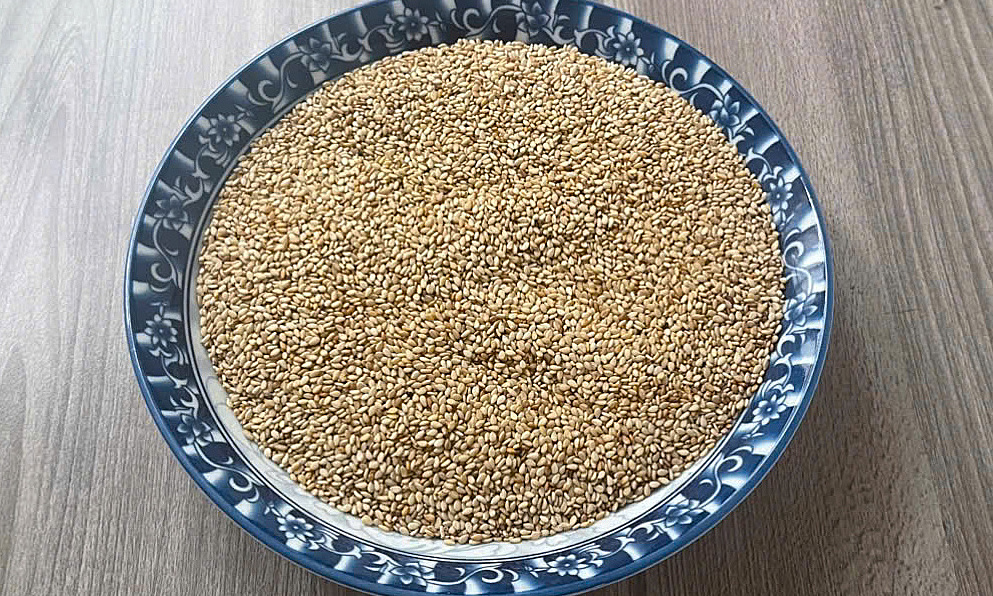
Doctor Nguyen Thi Dieu Hien, from the Nutrition and Dietetics Department at Tam Anh General Hospital TP HCM, stated that adults require approximately 0,8 g of protein per kilogram of body weight daily. The necessary protein intake varies depending on weight, age, activity level, and health status, meaning there is no fixed amount suitable for everyone.
For individuals following a vegan diet, the primary food sources are vegetables, tubers, fruits, and mushrooms. However, the body often finds it more challenging to absorb micronutrients from plants compared to animal sources. Consequently, many vegans experience deficiencies in protein, iron, zinc, calcium, and vitamin B12, which can lead to frequent fatigue and a lack of energy.
To maintain health, Doctor Dieu Hien recommends that vegetarians incorporate a diverse range of the following foods into their diet:
**Chickpeas**
Beyond common legumes, chickpeas contain a high amount of protein. A 100-150 g serving of cooked chickpeas provides approximately 19 g of protein and 164 calories. Chickpeas are also rich in soluble fiber, which helps control blood sugar, reduces bad cholesterol, and limits fat accumulation.
**Lentils**
Lentils not only supply plant-based protein but are also rich in fiber, promoting satiety and supporting energy metabolism. This legume is suitable for making soups, salads, or stews. You can consume about 60-100 g of dry lentils for your daily intake.
**Almonds**
A 100 g serving of almonds can provide approximately 21 g of protein and 579 calories, along with numerous other nutrients. This nut is not only suitable for vegetarians but also beneficial for weight management diets. Almonds are often consumed directly or used in baked goods, smoothies, and nut milks. The recommended daily intake is about 30-45 g.
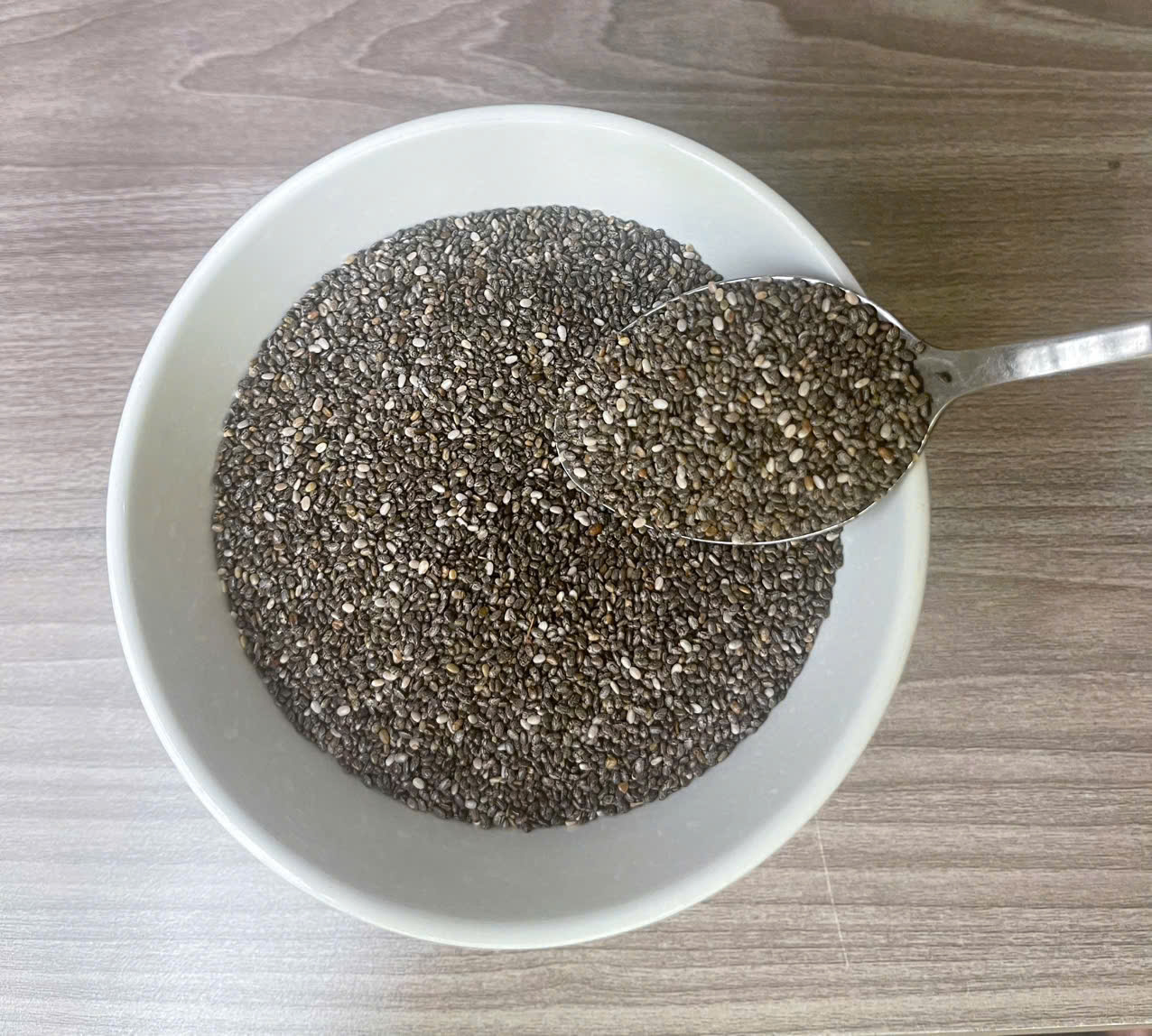 |
Chia seeds contain protein and many beneficial nutrients. *Photo: Le Nguyen* |
**Chia Seeds**
In addition to protein, chia seeds contain fiber and omega-3 fatty acids, which are beneficial for heart health. It is recommended to consume 3 g of chia seeds daily, incorporating them into beverages like smoothies, cereals, or other foods to enhance the body's absorption.
**Greek Yogurt**
Yogurt is a fermented dairy product that contains beneficial probiotics for gut health and retains natural protein. Greek yogurt, with its whey removed, has a thick, smooth texture and double the protein content of regular yogurt. You can consume one 100-170 g serving of Greek yogurt daily as a snack, paired with fruit or cereal, to supplement your protein intake.
**Eggs**
Consuming one or two eggs daily can add 6-12 g of protein to the body. Vegans may consider industrial non-fertile eggs, which still offer nutritional value.
Doctor Dieu Hien noted that individuals practicing intermittent vegetarianism can also consider the aforementioned foods. However, it is important to remember that each person's caloric and nutritional needs differ. Therefore, it is essential to listen to your body and flexibly adjust your diet to ensure long-term diversity and balance.
Vegetarians should also maintain healthy lifestyle habits and engage in regular physical activity to enhance flexibility, strengthen the immune system, and optimize nutrient absorption from their plant-based diet.
Bui Duc
| Readers can submit nutrition questions here for a doctor's response |