Answer:
Sunburn is skin damage caused by excessive exposure to ultraviolet (UV) rays. Depending on the severity, the skin can become red, hot, painful, swollen, peel, or develop blisters. Therefore, visibly red skin after sun exposure may indicate sun damage, not simply darker skin.
You should not peel skin that is currently sunburned, especially if it shows signs of redness, burning, pain, tightness, peeling, or blistering. At this time, the skin is damaged and inflamed, and using chemical peeling agents can lead to more severe irritation, prolong recovery time, and increase the risk of pigmentation changes.
 |
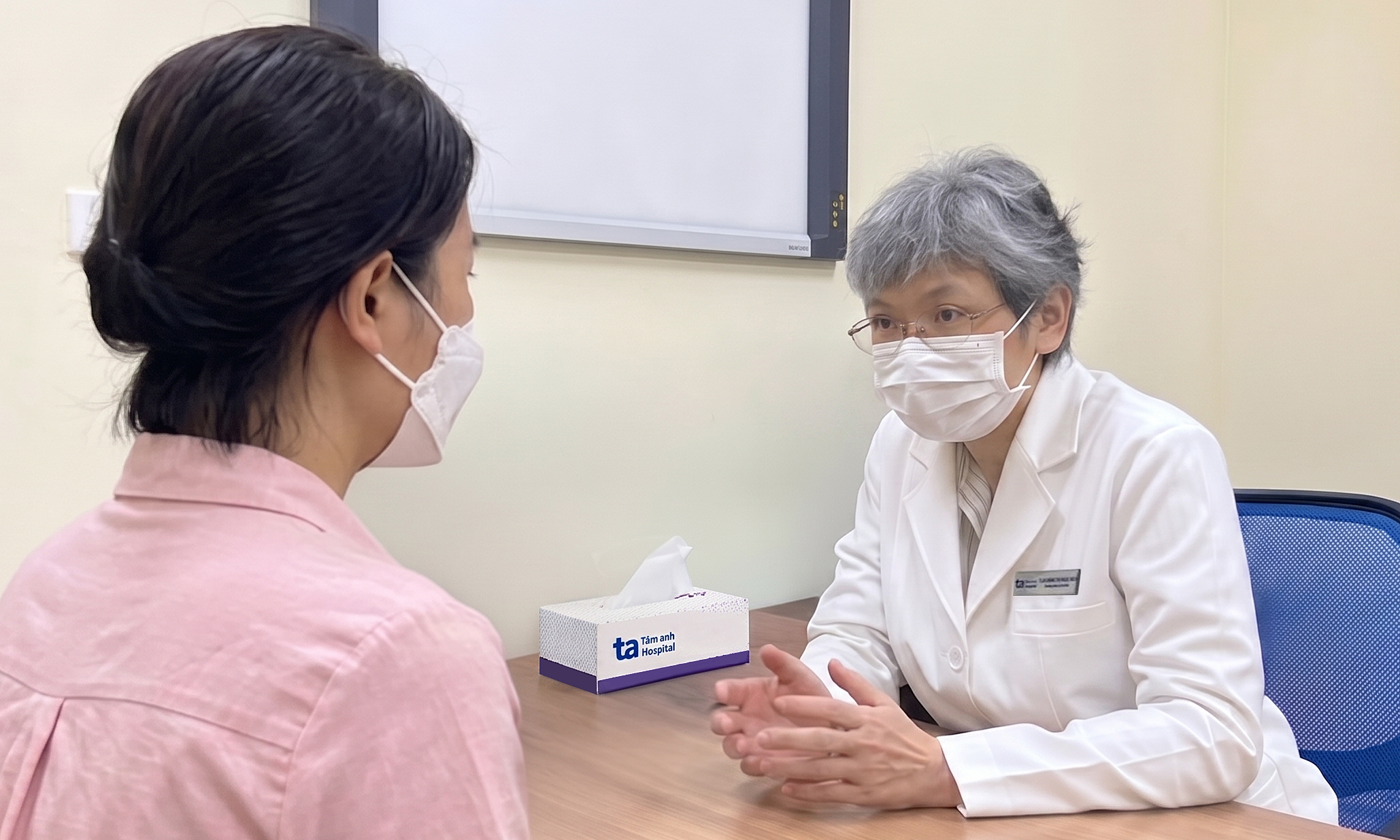
A doctor uses a Fotona laser for treatment and skin resurfacing. *Illustration: Tam Anh General Hospital*
Skin peeling uses chemical agents at appropriate concentrations to remove a portion of the outermost layer of skin. This method can treat certain conditions like acne, pigmentation disorders, or improve skin texture. However, peeling also creates a controlled level of damage to the skin. When the skin's protective barrier is weakened by sunburn, this action can cause more redness, irritation, or inflammation.
Darkening or increased pigmentation after sun exposure is not a layer of skin that can be simply removed by peeling. UV rays stimulate pigment cells to increase melanin production, which makes the skin darker. Peeling or aggressive exfoliation on inflamed skin can increase post-inflammatory hyperpigmentation, prolonging the darkening. Therefore, prioritize reducing inflammation and restoring the skin's protective barrier, rather than trying to remove the outer skin layer quickly.
Immediately after noticing hot, red, or burning skin, avoid further sun exposure. Cool the affected area with a clean cloth soaked in cool water for 10-15 minutes. Do not apply ice directly, as excessively cold temperatures can further damage the skin.
Afterwards, you can use a gentle moisturizer to maintain hydration and support the recovery process. During this time, you should temporarily stop peeling, exfoliating, and using potentially irritating products like high-concentration acids or retinoids if they cause skin discomfort. Do not scratch, rub, or pick at peeling skin.
Post-sunburn skin needs protection from UV rays to limit further damage and reduce the risk of prolonged darkening. You should limit outdoor activities during intense sunlight, prioritize staying in the shade, and use wide-brimmed hats and clothing that covers the skin.
When your skin can tolerate sunscreen without irritation, you can choose a broad-spectrum sunscreen with SPF 30 or higher and reapply when needed, especially during outdoor activities. Continue physical protection because sunscreen cannot completely replace sun avoidance measures.
There is no fixed timeframe for all cases to resume peeling after sunburn. The important factor is that the skin must fully recover, without acute signs of damage such as redness, burning, pain, or peeling.
If the skin remains dark, discolored, or acne-prone after stabilization, you should consult a dermatologist. Skin peeling should be considered based on your skin type, the specific issue to be treated, and your skin's response, rather than attempting it yourself with the goal of quick "skin renewal".
If sunburn causes severe erythema, extensive blistering, pain, swelling, or symptoms like fever, chills, or nausea, patients should seek timely medical attention for evaluation of sunburn or heatstroke and appropriate treatment.
Dr. Dam Thi Thuy Hong
Head of Aesthetics Department
Tam Anh General Hospital Hanoi
| Readers can send dermatology and cosmetic skin questions here for doctors to answer |