Answer:
While not the sole cause of gallstones, fasting or frequently skipping meals can increase the risk of their formation.
The gallbladder stores and concentrates bile produced by the liver. When you eat, the gallbladder contracts to release bile into the small intestine, aiding digestion. If you frequently fast or skip meals, the gallbladder is less stimulated to contract, potentially causing bile to remain stagnant for longer periods. This prolonged bile stasis creates conditions for cholesterol to accumulate, which can then promote gallstone formation.
Eating too little or crash dieting for rapid weight loss causes the body to mobilize fat reserves. This process can disrupt cholesterol metabolism and bile secretion, which is a factor in the formation of cholesterol gallstones.
You should not attempt to lose weight by starving yourself or regularly skipping one to two meals a day. Instead, aim for gradual weight loss by adjusting your total calorie intake while ensuring adequate nutrition. Divide your food into appropriate meals that fit your daily schedule, avoiding prolonged periods of hunger.
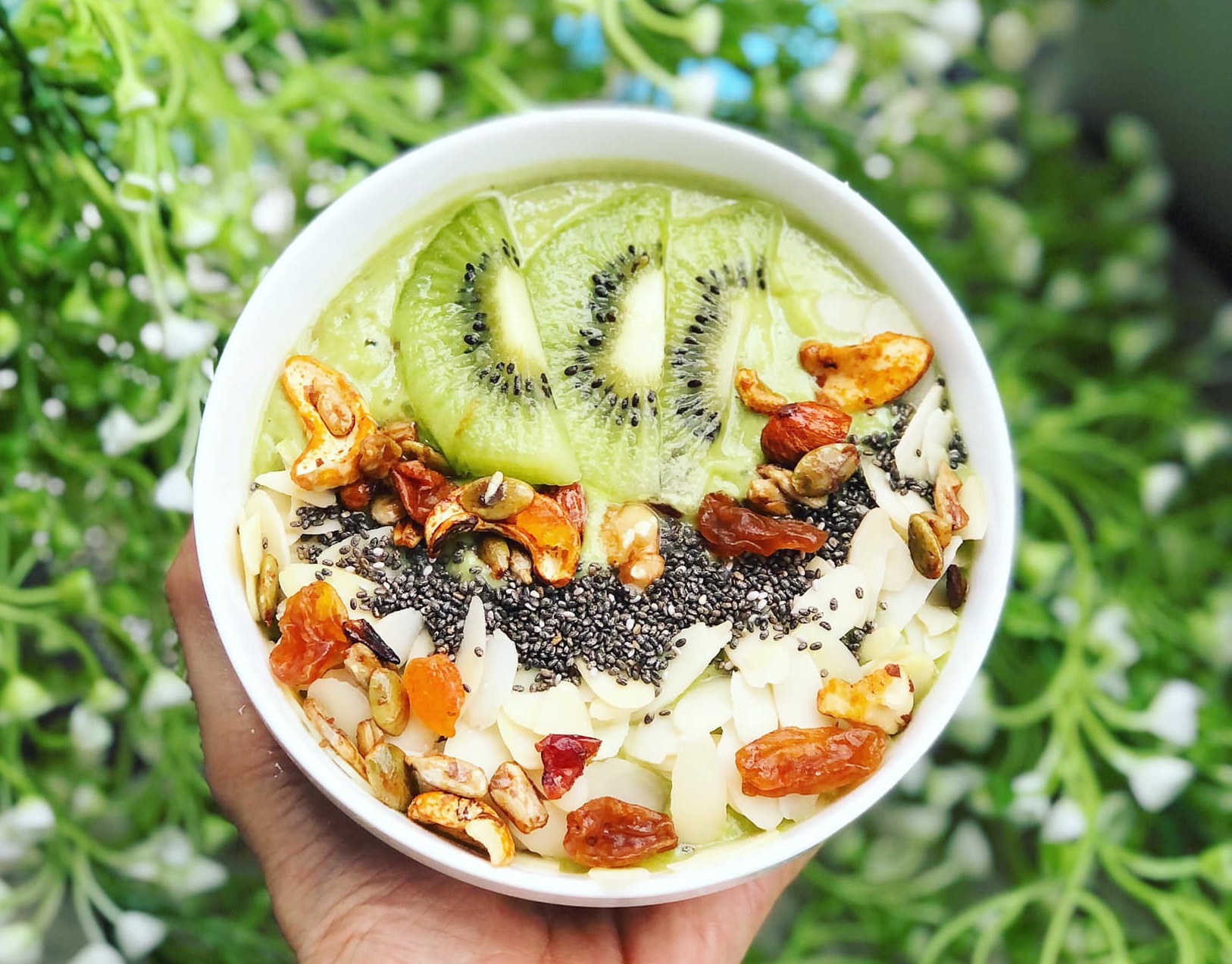 |
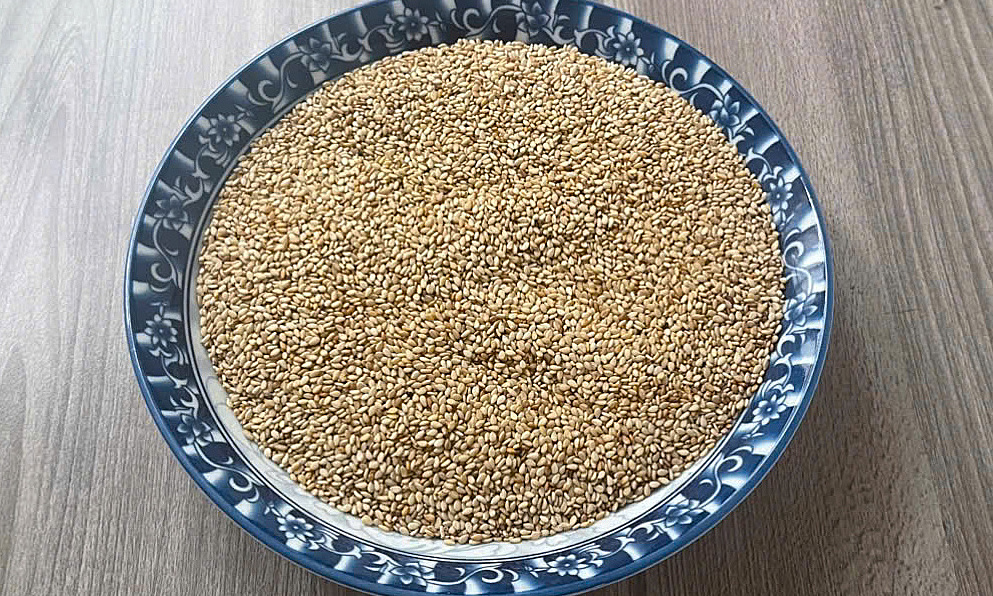
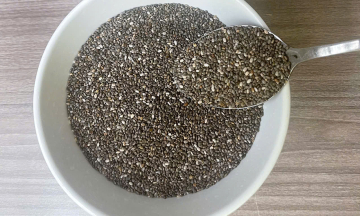
_Fiber-rich, low-calorie foods like oatmeal and chia seeds help control calorie intake. Photo: Hue Ho_
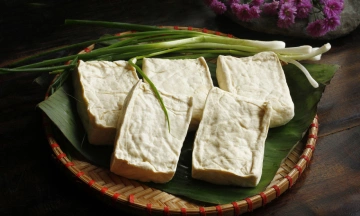
In your diet, prioritize fiber from green vegetables, fruits, and whole grains. Supplement your protein intake with legumes, fish, lean meat, and eggs. Limit sugary drinks, ultra-processed foods, and items high in saturated fats. Combine your diet with regular physical activity to help manage weight and improve metabolic health.
Gallstones are a condition influenced by various factors, including age, gender, family history, obesity, gestational diabetes, and certain medical conditions or medications. Gallstones often do not cause symptoms in their initial stages. Therefore, patients should undergo regular check-ups to detect any abnormalities early and receive timely treatment.
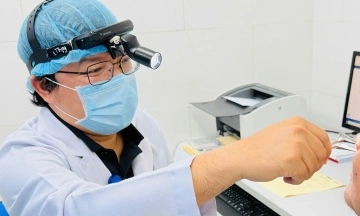
To diagnose gallbladder gallstones, doctors may order an ultrasound, blood tests, or other imaging diagnostics to assess the condition of the gallbladder and bile ducts.
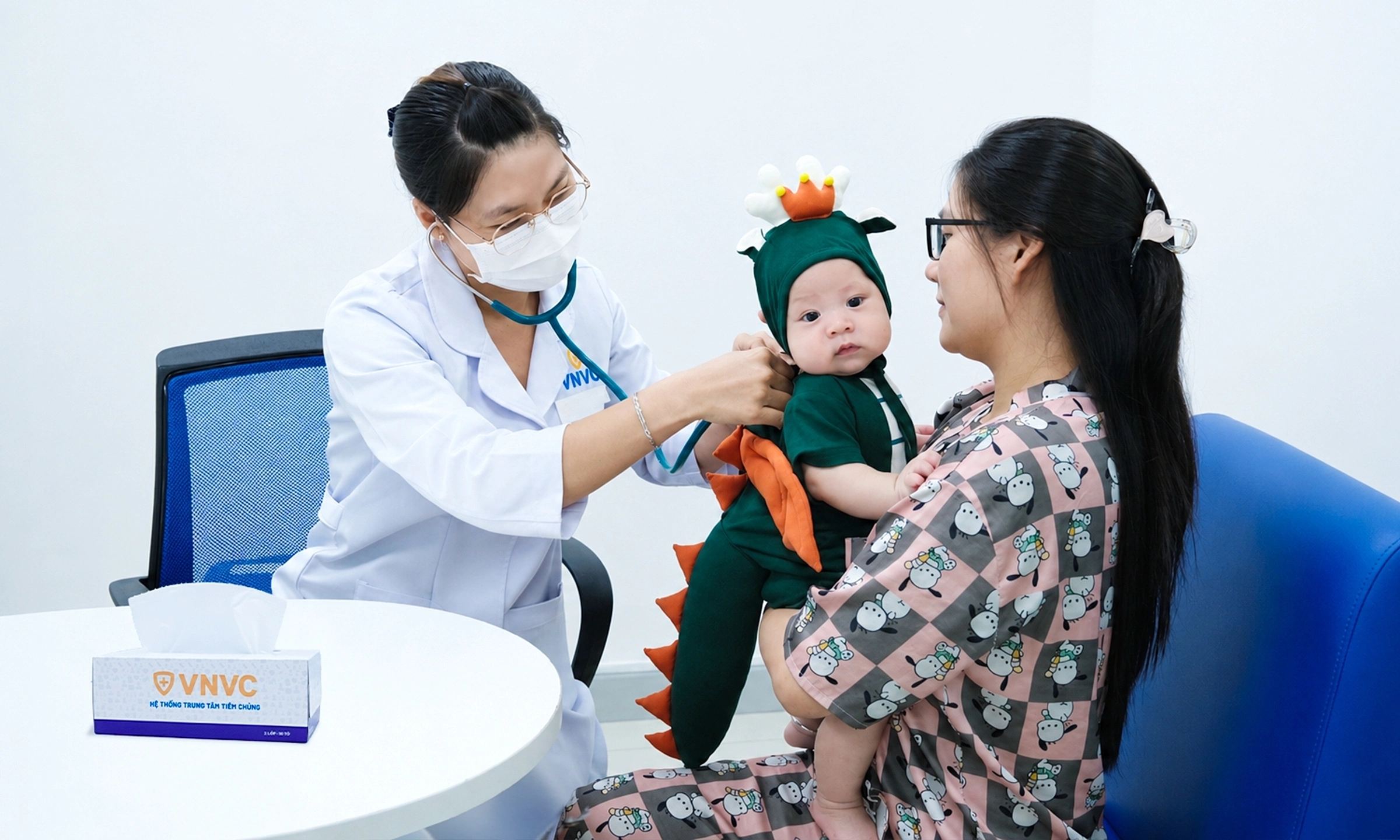
If you experience symptoms such as pain in the right hypochondrium or epigastrium, especially after eating, which may radiate to the back or right shoulder, accompanied by nausea or unusual vomiting, you should seek medical attention promptly for treatment.
Dr. Nguyen Huy Thanh
Department of Gastroenterology, Hepatology, and Pancreatology
Tam Anh General Hospital Hanoi
| Readers can send questions about digestive diseases here for doctors to answer |