Answer:
Hot weather significantly increases the risk of respiratory illnesses in young children, including pharyngitis, rhinitis, tonsillitis, bronchitis, and pneumonia. High temperatures and fluctuating humidity also impact the respiratory lining, making children more susceptible to viral or bacterial infections.
Humid weather often causes children to sweat excessively, leading to dehydration and making their respiratory lining dry and sensitive.
During hot seasons, children may consume excessive amounts of iced drinks. This sudden temperature change in the throat area can irritate the mucous membranes, leading to pharyngitis, coughing, and a sore throat. For children already experiencing coughs, runny noses, nasal congestion, or wheezing, exposure to abrupt temperature shifts—such as moving from an air-conditioned environment to outside—can exacerbate their symptoms.
Young children, especially around two years old, often put their hands in their mouths, which increases the risk of bacterial infection. Therefore, parents should proactively take measures to prevent illness in their children.
Ensure adequate hydration: Children should drink enough water to meet their needs, increasing intake when they sweat heavily. For infants, ensure they are breastfed sufficiently, increasing the frequency of feeds if they show signs of thirst or nurse more often than usual due to the hot weather.
For a two-year-old child, parents should provide approximately 1,100-1,400 ml of fluids daily, including water from milk, food, and beverages, adjusting based on the child's needs and activity level.
Provide complete nutrition: Parents should offer children soft, digestible, cooked food, consumed immediately after preparation to avoid storage. Daily meals should include plenty of fresh fruits, such as oranges, bananas, and watermelons, along with green vegetables. Children should avoid street vendor food due to the risk of contamination, as well as overly cold or sugary drinks.
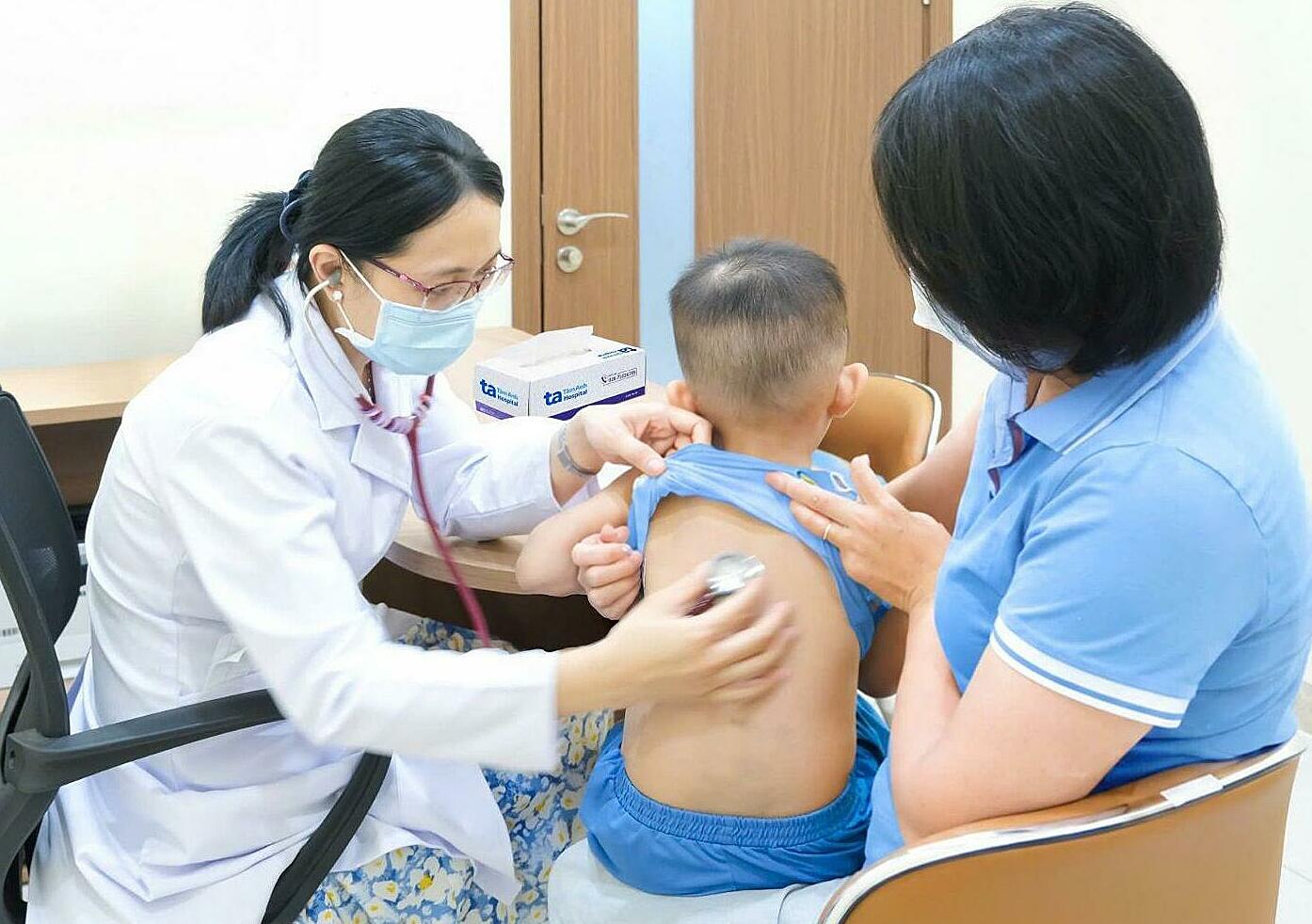 |
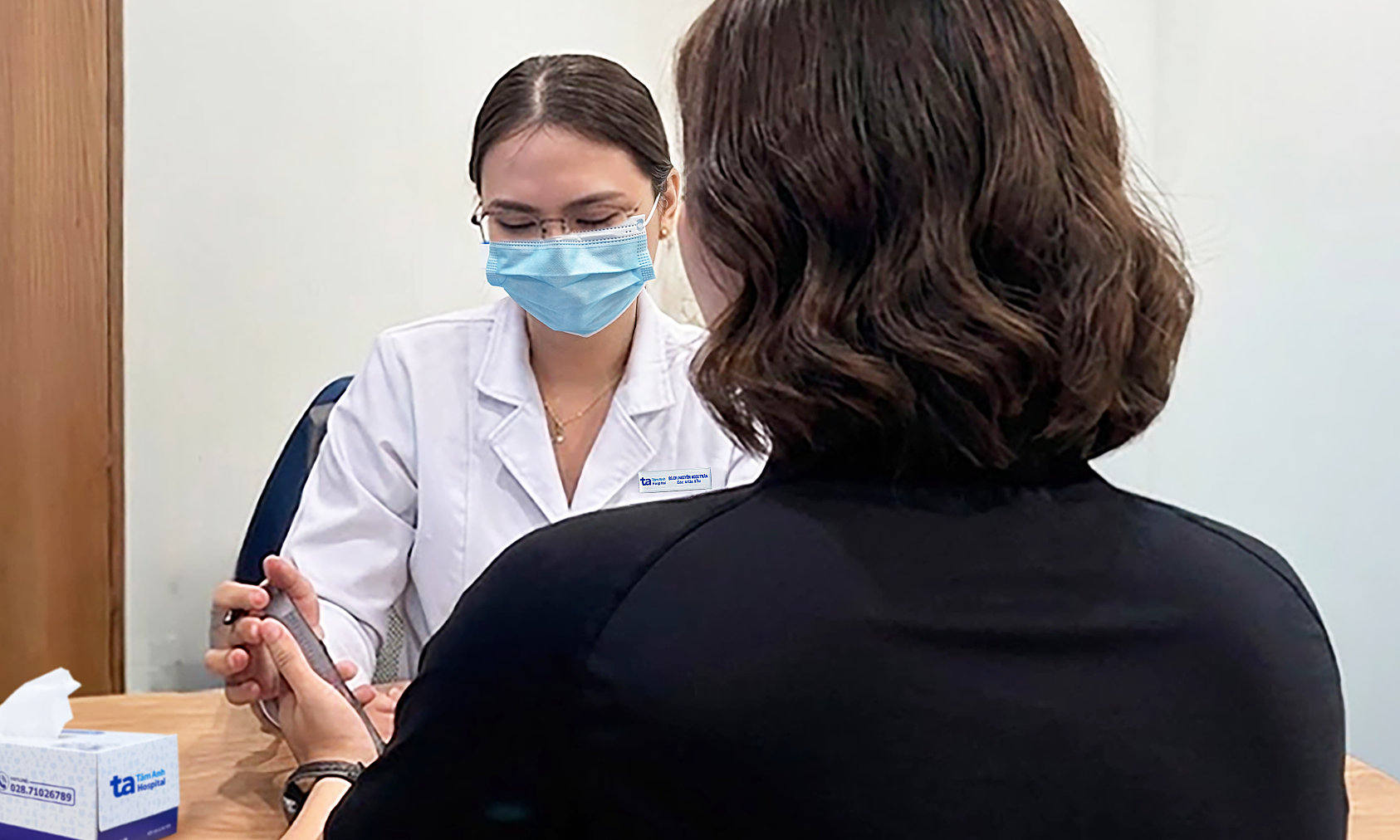
Master, Doctor, Level I Specialist Vuong Ngoc Thien Thanh examines a pediatric patient. *Illustration photo: Minh Tam* |
Use air conditioning correctly: Parents should maintain room temperature between 26-28 degrees Celsius, ensuring that cold air currents do not blow directly onto the child. Keep room humidity at around 40-60% to protect the respiratory lining and reduce infection risk.
Regularly clean air conditioners to prevent mold and bacteria buildup. When a child transitions from an outside environment (normal temperature) into an air-conditioned room, gradually adjust the temperature to allow them to adapt.
Limit outdoor sun exposure during peak hours: Parents should avoid taking children outside during strong sun, typically from 10h to 16h daily. If going out, children should wear hats, breathable clothing, be covered, and stay hydrated. Parents can apply broad-spectrum sunscreen with an SPF of 30 or higher, formulated for children, 15 minutes before going out and reapply every 2-4 hours.
Maintain personal and environmental hygiene: Homes should be cleaned regularly, ensuring a clean, well-ventilated living environment free from dust and cigarette smoke. Children should wash their hands with soap and clean water for at least 20 seconds before eating, after using the toilet, and after playing outdoors to limit the spread of bacteria and viruses. Additionally, children need sufficient sleep and age-appropriate light physical activity.
Ensure complete vaccination: Parents should ensure their children receive all recommended vaccinations on schedule to boost immunity and prevent infectious diseases, including respiratory illnesses.
When children show signs of coughing, runny nose, or fever, parents should take them for an early medical examination. If a child experiences a high fever above 39 degrees Celsius, becomes lethargic or drowsy, has seizures, vomits frequently, cannot drink water, or has diarrhea lasting over 24 hours, they should be taken to the hospital immediately.
Master, Doctor, Level I Specialist Vuong Ngoc Thien Thanh
Pediatrics Department, Tam Anh General Hospital, TP HCM
| Readers can submit questions about neonatal pediatrics here for doctors to answer. |