 |
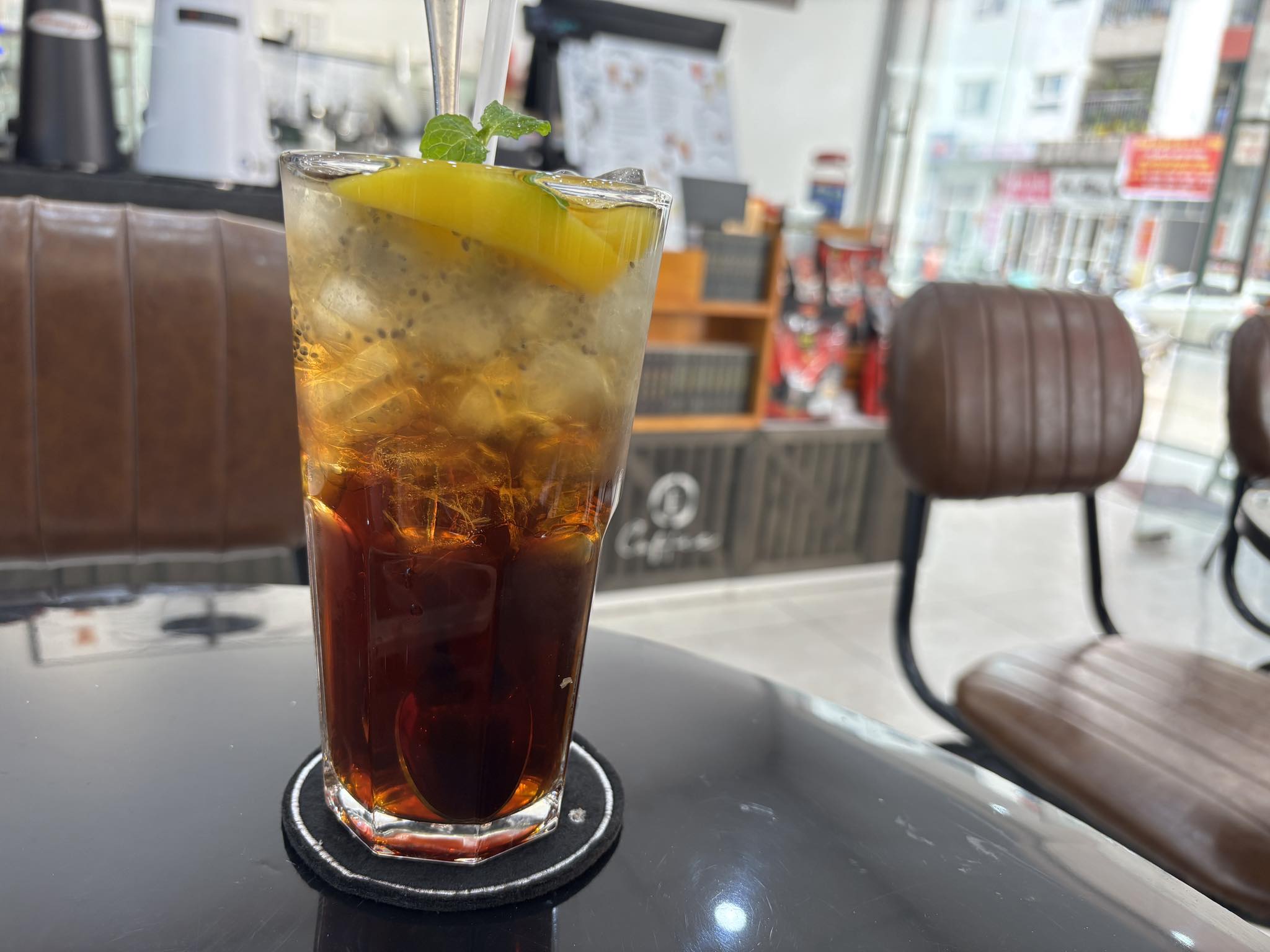
Soft drinks, sweetened with syrups, cane sugar, and flavorings, contain high levels of fructose. The liver rapidly metabolizes this sugar, leading to increased fat accumulation, insulin resistance, and progressive fatty liver disease. Additionally, flavor enhancers and colorants can disrupt gut bacteria, causing inflammation and reducing liver efficiency. |
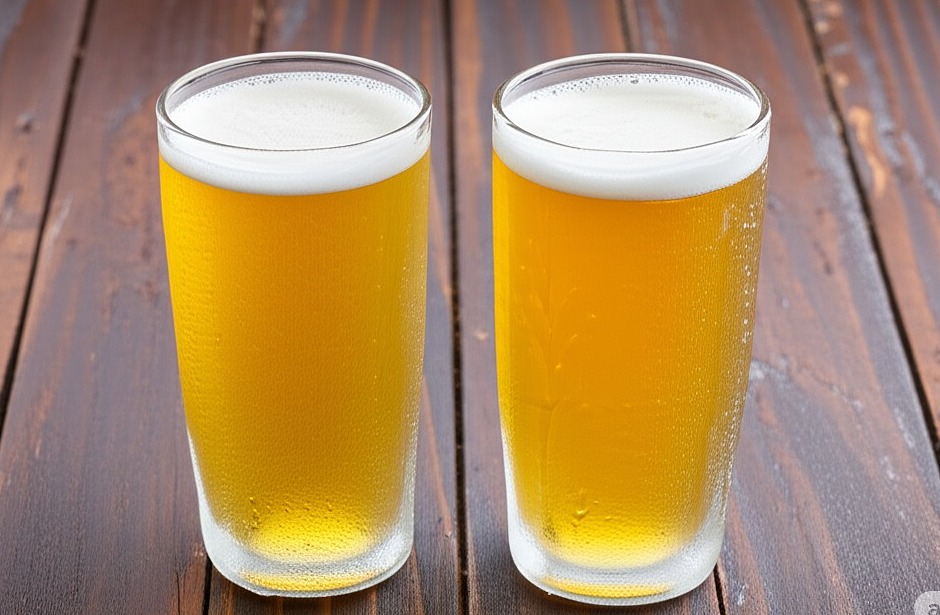 |
Alcoholic beverages are a primary cause of fatty liver. They increase the burden on the liver, restrict metabolic processes, and accelerate liver damage, leading to severe disease progression. |
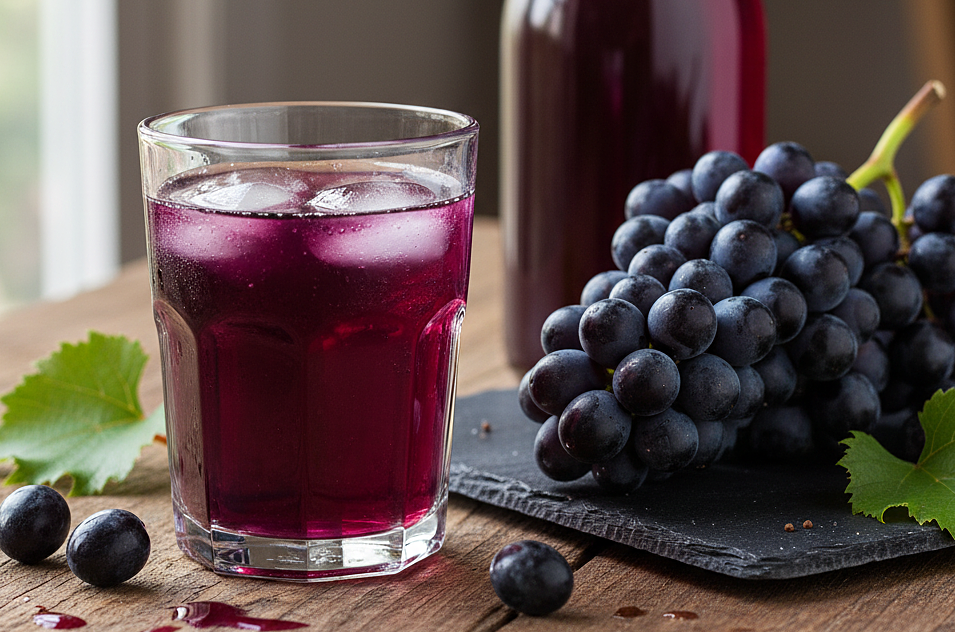 |
While fruit juices hydrate the body, they often contain high sugar levels. Even natural sugars can be detrimental to the liver if consumed in excess, as they can elevate blood sugar. Instead of drinking juice, individuals with fatty liver should consider blending fruits with some nuts to make smoothies, which boosts fiber and other essential nutrients. |
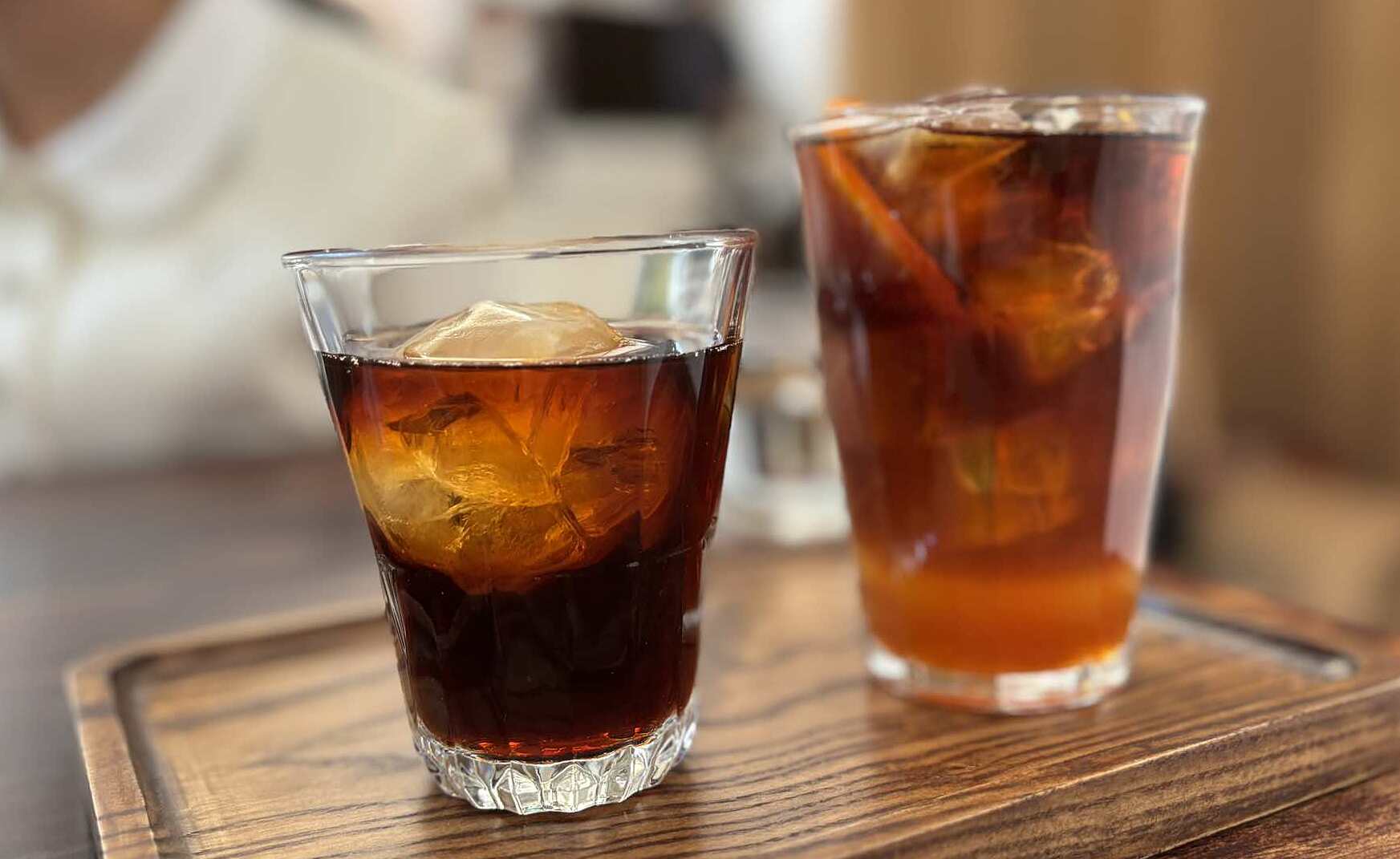 |
Coffee may reduce the risk of liver scarring in individuals with fatty liver disease. It contains caffeine, a potent antioxidant that helps protect liver cells and prevent fat accumulation. It is advisable to drink pure coffee, avoiding added milk, sugar, or artificial sweeteners. Adults can consume 2-3 cups daily, but it should not be consumed after 4 PM to avoid disrupting sleep. |
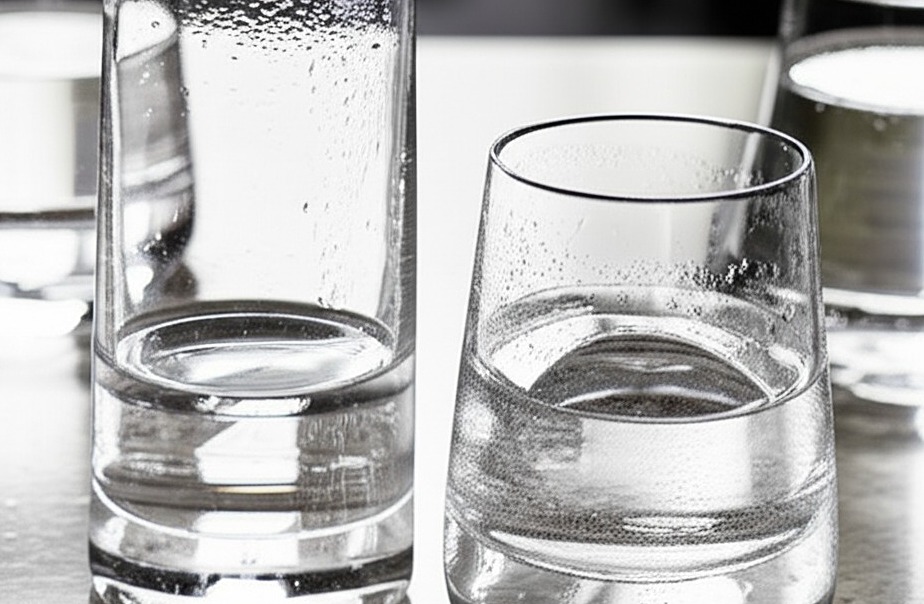 |
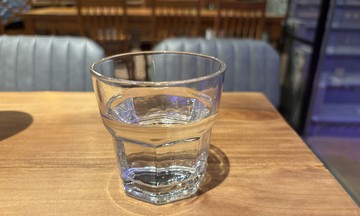
Water is beneficial for liver health as it helps regulate metabolic activities. Adequate hydration supports kidney function, reducing the liver's burden in filtering toxins. Adults should aim to drink two liters of water daily. |
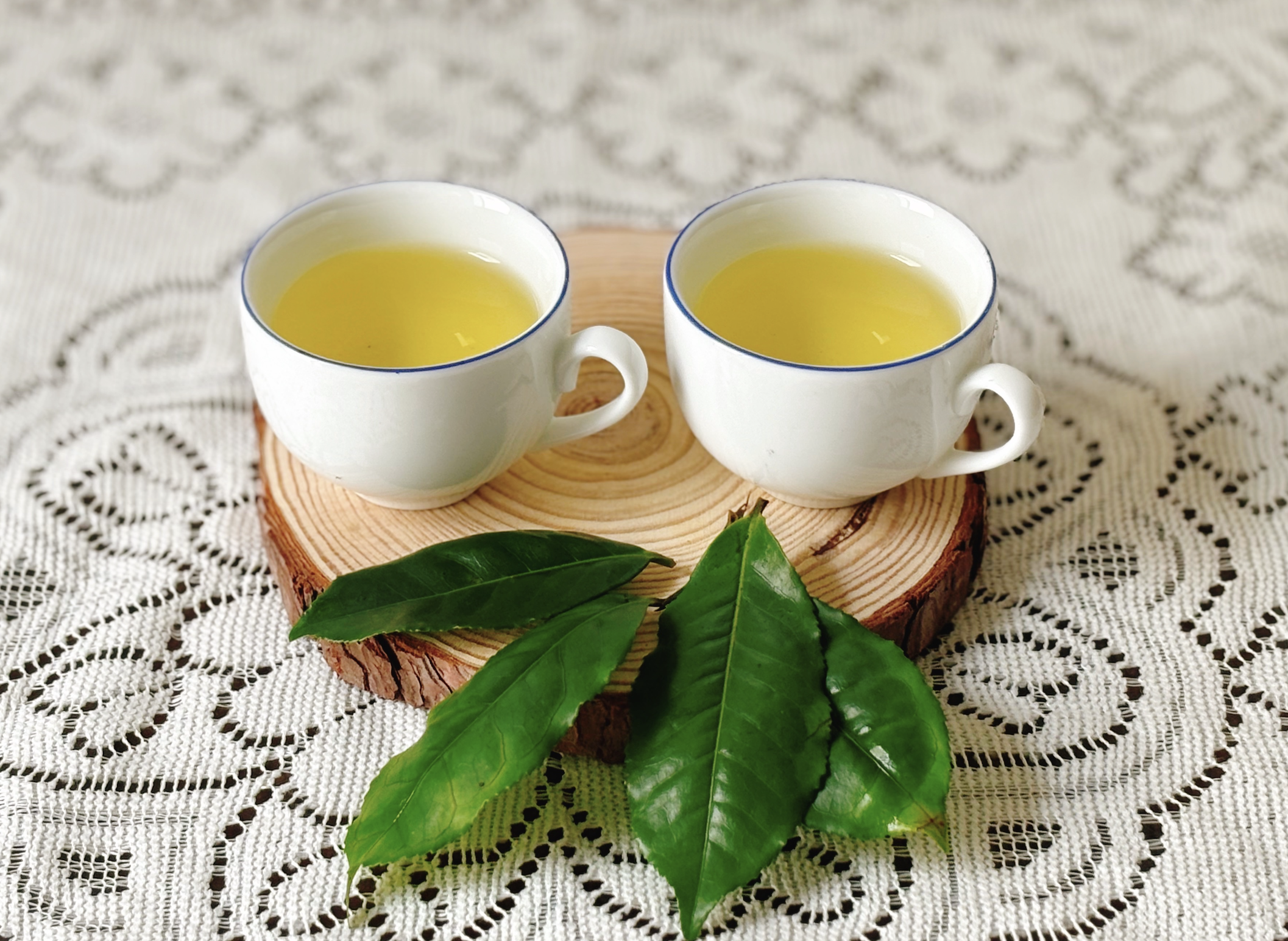 |
Green tea is rich in antioxidants and phytochemicals, which possess anti-inflammatory properties and can help reduce fatty liver. |
By Anh Chi (Source: WebMD)
Photos: Anh Chi, Bui Thuy