The liver is responsible for metabolizing nutrients, secreting bile, producing proteins, and filtering toxins from food and alcoholic beverages. Doctor of First Degree Specialist Dao Thi Yen Thuy, Head of the Department of Nutrition and Dietetics at Tam Anh General Hospital TP HCM, states that on average, the liver effectively processes only about 7-10 g of ethanol per hour, which is equivalent to half a can of beer. When alcohol consumption exceeds this limit, the liver becomes overloaded, causing alcohol to accumulate as acetaldehyde. The toxins in acetaldehyde stimulate kupffer cells to release inflammatory substances, which can alter the DNA structure of liver cells.
The process of alcohol metabolism also produces an excess of acetic acid, which then converts into fat that accumulates in liver cells, leading to fatty liver. High blood alcohol levels also reduce oxygen transport capacity, causing liver tissue to experience ischemia and impairing its self-detoxification ability.
Without timely recovery support, these damages can progress from fatty liver to alcoholic hepatitis and cirrhosis, gradually impairing the organ's function over time. Due to the nature of their work, many people regularly consume alcohol. Below are some beverages that help protect the liver after consuming alcoholic drinks.
Water
Drinking two liters of water daily, either before or after consuming alcohol, can help dilute the ethanol concentration in the blood and promote toxin elimination through urine. Additionally, adequate water intake soothes thirst, dry mouth, and headaches.
Winter melon juice
This beverage is rich in vitamins C, A, E, and antioxidants that support liver cell cleansing and regeneration. Thanks to its cooling properties and diuretic effect, winter melon juice helps clear heat, enhances toxin elimination, and contributes to preventing fat accumulation in the liver.
Centella asiatica juice
Centella asiatica contains high levels of antioxidants, helping protect liver cells from oxidative stress caused by alcohol. Centella asiatica juice promotes toxin elimination, reduces the risk of hepatitis, and improves blood circulation. However, sugar should not be added if consumed immediately after drinking alcohol.
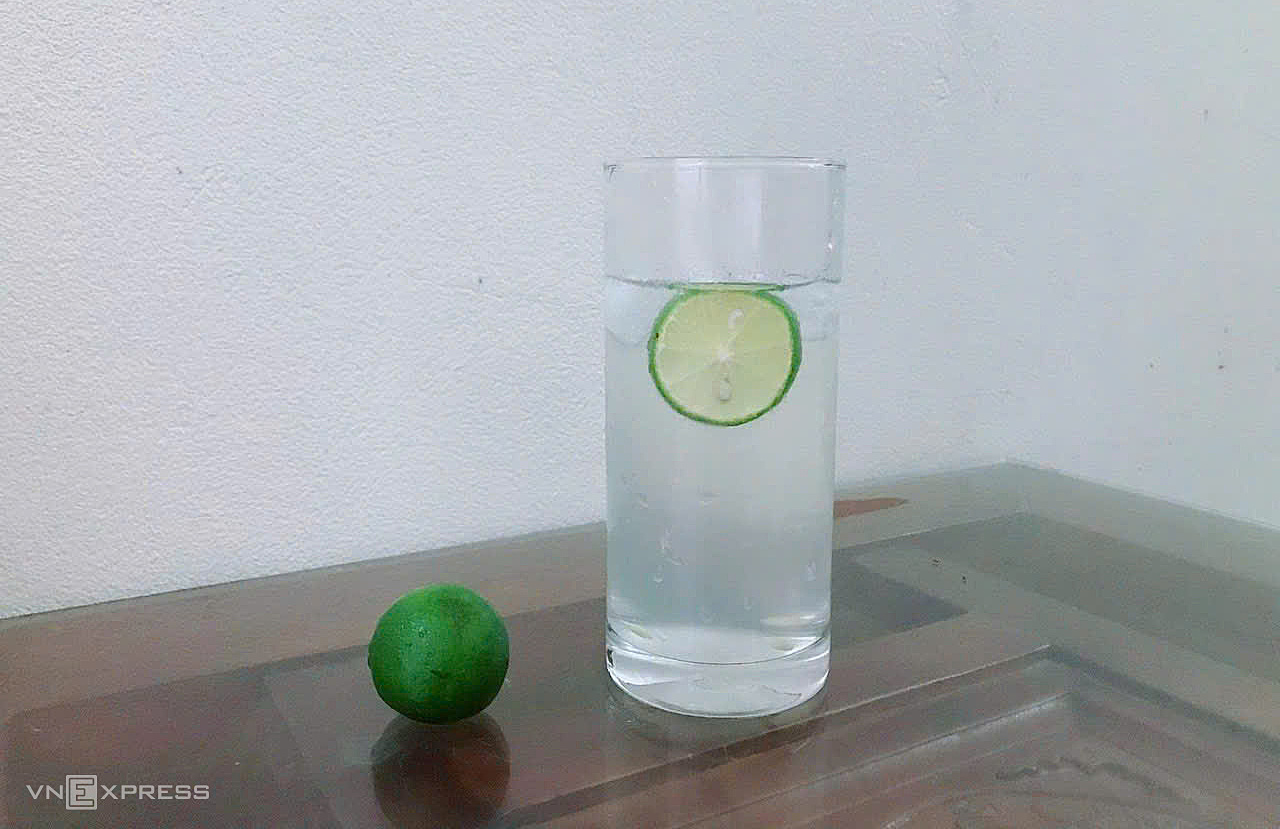 |
Drinking warm lemon water helps balance pH after alcohol consumption. Photo: Bao Bao |
Warm lemon and honey water
Vitamin C in lemon can stimulate the liver to secrete bile – a fluid that aids digestion and waste removal. When combined with warm water and a little honey, this drink can balance pH levels, restore depleted blood sugar, and accelerate ethanol elimination.
Fresh ginger water
This warm beverage contains anti-inflammatory compounds that stimulate blood circulation, soothe the stomach lining, and quickly reduce nausea and stomach discomfort caused by intoxication. Drinking a glass of warm ginger water helps the liver recover its metabolic capacity.
Sugarcane juice
Sugarcane juice provides natural glucose and electrolytes, helping the body quickly reduce fatigue and thirst. B and C vitamins in sugarcane juice support the liver in producing metabolic enzymes, reducing blood alcohol concentration, and enhancing liver cell immunity.
Kudzu root powder drink
Kudzu root has a mild, sweet taste and cooling properties, and has long been used to clear heat and detoxify the liver and kidneys. Mixing a glass of kudzu root powder with warm water helps soothe internal heat, supports the digestive system, and reduces metabolic pressure on the liver after a party.
In addition to natural beverages, individuals who regularly consume alcohol can supplement with s.marianum and wasabia japonica extracts. These nutrients help control kupffer cells, reduce alcohol-induced liver damage, enhance detoxification, and restore liver function from within.
Doctor Yen Thuy notes that rehydration and nutrient supplementation are only temporary recovery solutions. If you experience symptoms such as prolonged fatigue, loss of appetite, jaundice, yellow eyes, abdominal distension, or pain in the upper right abdomen, you should seek medical attention immediately. These could be signs of severe liver damage, requiring examination and timely treatment by a specialist doctor.
Bui Duc
| Readers can ask nutrition questions here for doctor's answers |