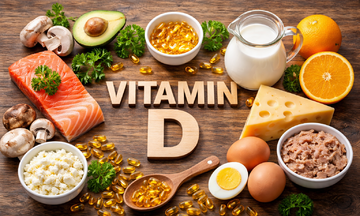
A growing body of research indicates that consistently eating a diet rich in lean protein, fruits, vegetables, whole grains, nuts, and dairy products positively impacts sleep.
Erica Jansen, a professor at the University of Michigan (US), states, "Think of the connection between food and sleep as a marathon, not a sprint. Instead of searching for a 'magic' food, changing your entire eating pattern will provide far greater benefits."
What foods promote sleep?
Our bodies produce melatonin, a hormone that regulates the sleep-wake cycle. When it gets dark, the brain releases melatonin to signal bedtime. Research suggests we can supplement natural melatonin through:
Fruits and vegetables: Bananas, pineapples, oranges, tomatoes, and especially tart cherries.
Nuts: Particularly walnuts.
Fish, eggs, and dairy.
A 2021 study showed that women who increased their fruit and vegetable intake over three months significantly improved insomnia symptoms and sleep onset latency. Tart cherries, in particular, have been shown to extend sleep duration and enhance sleep quality due to their high melatonin content and anti-inflammatory properties.
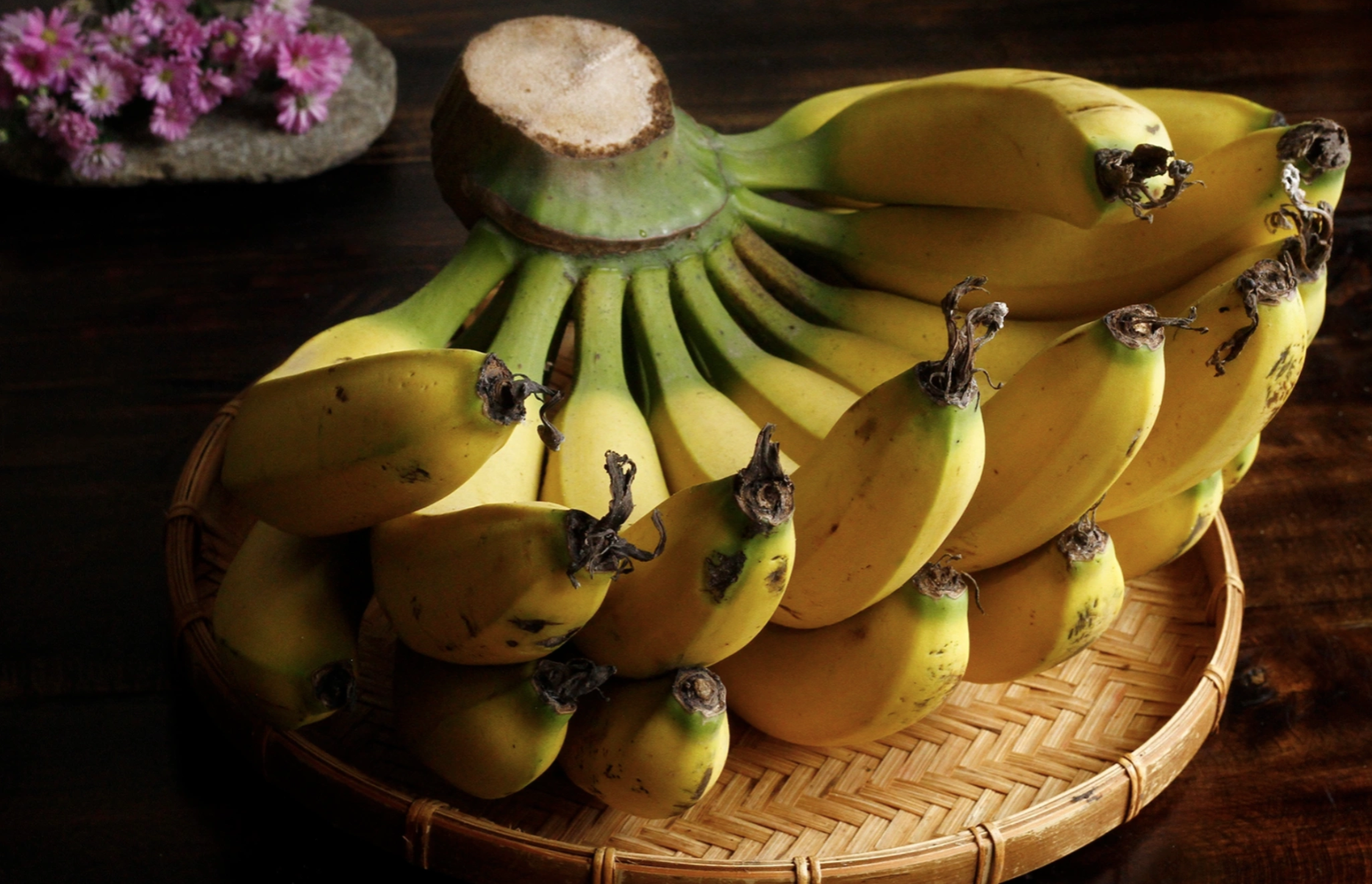 |
Bananas are among the fruits that help improve insomnia symptoms. Photo: Bui Thuy |
Beyond melatonin, foods rich in tryptophan, an amino acid our bodies cannot produce, are also essential because it converts into melatonin. Tryptophan is abundant in:
Poultry: Turkey, chicken.
Fish: Especially salmon, which is rich in omega-3.
Cheese, egg whites, nuts, and yogurt.
In 2024, a study involving 11,000 students in Spain found that those with a tryptophan-poor diet were more prone to insomnia and shorter sleep durations.
The role of carbohydrates and minerals
According to professor Marie-Pierre St-Onge (Columbia University), fiber-rich complex carbohydrates help the body absorb tryptophan more effectively. Subsequently, magnesium, B vitamins, and zinc support the conversion of tryptophan into melatonin.
This is why people following a Mediterranean diet or the DASH diet (dietary approaches to stop hypertension) have a 6-8% lower long-term risk of insomnia. A balanced diet also helps correct nutritional deficiencies, such as iron or vitamin D deficiency, which can cause sleep disorders.
How important is meal timing?
While there is no conclusive evidence that specific foods eaten close to bedtime improve sleep, the reverse is clear: eating late can make it harder to sleep.
A 2026 clinical trial revealed that stopping eating at least three hours before bedtime helps synchronize circadian rhythms, improves blood pressure, heart rate, and regulates nighttime blood sugar. "Eating close to bedtime can disrupt sleep, increase reflux, and negatively affect cardiovascular metabolic function," said Professor Phyllis Zee (Northwestern University).
Foods that are "enemies" of sleep
If you want a good night's sleep, be mindful of:
Caffeine: Found in coffee, tea, and chocolate, it blocks adenosine, a chemical that builds up throughout the day and makes us feel sleepy at night.
Sugary drinks: These impair sleep quality.
Alcohol: While it might help you fall asleep faster, as its concentration decreases, it causes a "rebound" effect, leading to early awakenings and difficulty falling back asleep.
Ultra-processed foods: Saturated fats and refined sugars are linked to chronic insomnia. Eating saturated fats late can slow the natural release of melatonin.
Spicy foods: These can easily cause indigestion or acid reflux.
Even if your overall diet is the determining factor, a small ritual like sipping a warm glass of milk or caffeine-free herbal tea in the evening can be beneficial. The sensation of holding a warm cup and taking small sips can soothe the mind, signaling to the body that it is time to rest.
My Y (According to The Washington Post)