Dementia is a progressive decline in cognitive functions such as memory, language, thinking ability, judgment, and the capacity to perform daily activities. The condition is often diagnosed in its late stages, when patients already experience significant difficulties in daily life, communication, or have lost the ability to self-care.
Dr. Pham Ngoc Danh Khoa, Head of the Dementia Unit at the Center for Neurosciences, Tam Anh General Hospital, TP HCM, states that dementia screening helps detect cognitive impairment at an early stage, supporting timely intervention and slowing disease progression.
The primary group recommended for early screening includes individuals aged 60 and above, especially older adults showing signs of recent forgetfulness, difficulty concentrating, or frequent confusion regarding time and place. This group faces a higher risk due to the brain's aging process and co-occurring cerebrovascular diseases.
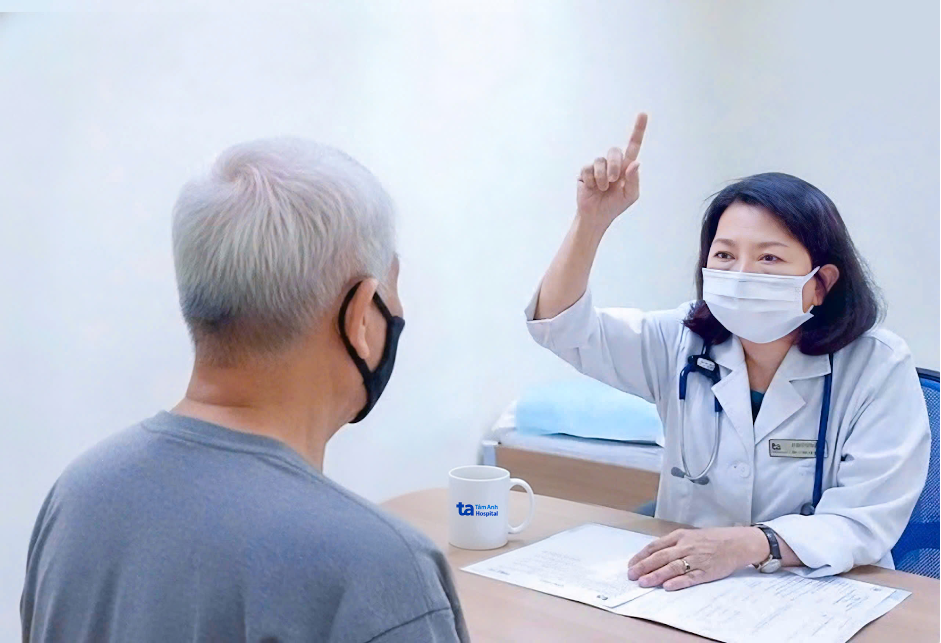 |
A doctor is checking cognition, screening for dementia in older adults. *Photo: Tam Anh General Hospital* |
Individuals with underlying conditions such as hypertension, diabetes, dyslipidemia, cardiovascular disease, or a history of stroke also require early screening. These factors damage brain blood vessels, accelerating cognitive decline and increasing the risk of dementia.
Those with a history of traumatic brain injury, chronic alcoholism, or chronic sleep disorders are also at risk. According to Dr. Khoa, memory impairment in this group is often mistaken for stress or normal aging, leading to missed opportunities for early intervention.
Furthermore, individuals with a close relative suffering from dementia, Alzheimer disease, or Parkinson disease should proactively seek dementia screening. Genetic factors can increase disease risk, especially when combined with a sedentary lifestyle and an unhealthy diet.
Dementia screening involves clinical assessment, neuropsychological tests (evaluating memory, attention, and language), combined with imaging diagnostics such as CT or MRI brain scans to detect structural and cerebrovascular damage. A comprehensive evaluation helps doctors differentiate dementia from benign age-related memory decline.
Dr. Khoa recommends that individuals experiencing unusual signs related to memory, behavior, or daily functioning should visit a medical facility with a neurology specialty for early consultation and screening.
Trong Nghia
| Readers can submit questions about neurological diseases here for doctors to answer. |