Occupational lung disease refers to respiratory conditions that arise from inhaling dust, smoke, fumes, or toxic chemicals during work.
Doctor Ma Thanh Phong, Head of the Respiratory Unit at Tam Anh General Hospital TP HCM, stated that these diseases often do not show immediate symptoms but are a result of prolonged exposure. Many patients are diagnosed with severe conditions only after experiencing chronic cough, shortness of breath, or impaired respiratory function.
Doctor Phong identified the following groups as being particularly susceptible to occupational lung disease:
Stone quarrying, mining, and construction
This group faces a high risk of occupational silicosis due to the frequent inhalation of free crystalline silica dust generated during rock drilling, concrete cutting, and ore crushing. The disease often progresses silently over many years. Silica dust particles penetrate deep into the alveoli, causing inflammation and fibrosis of the lung parenchyma. This leads to persistent cough, progressive shortness of breath, reduced respiratory function, and an increased risk of pulmonary tuberculosis.
Coal mining
Workers in coal mines or environments with high concentrations of coal dust are susceptible to occupational coal worker's pneumoconiosis. Prolonged exposure to coal dust causes particles to accumulate in the lungs, leading to chronic inflammation and fibrosis of lung tissue. Patients typically experience a persistent cough, phlegm production, and shortness of breath during exertion. The condition may develop into respiratory failure if exposure continues.
Textile and spinning industries
Workers involved in fiber production, weaving, cotton ginning, or cotton processing are at risk of occupational byssinosis. Cotton dust particles irritate the respiratory tract, causing bronchospasm and chronic inflammation. Typical symptoms include chest tightness, shortness of breath, or frequent coughing, often becoming more noticeable at the beginning of the work week after a break. Without intervention, respiratory function will decline over time.
Asbestos exposure
Individuals who have worked in insulation material manufacturing, fiber cement roofing, or renovation of old buildings containing asbestos are prone to occupational asbestosis. Tiny asbestos fibers can remain in the lungs for extended periods, causing pulmonary fibrosis, pleural thickening, and increasing the risk of pleural mesothelioma.
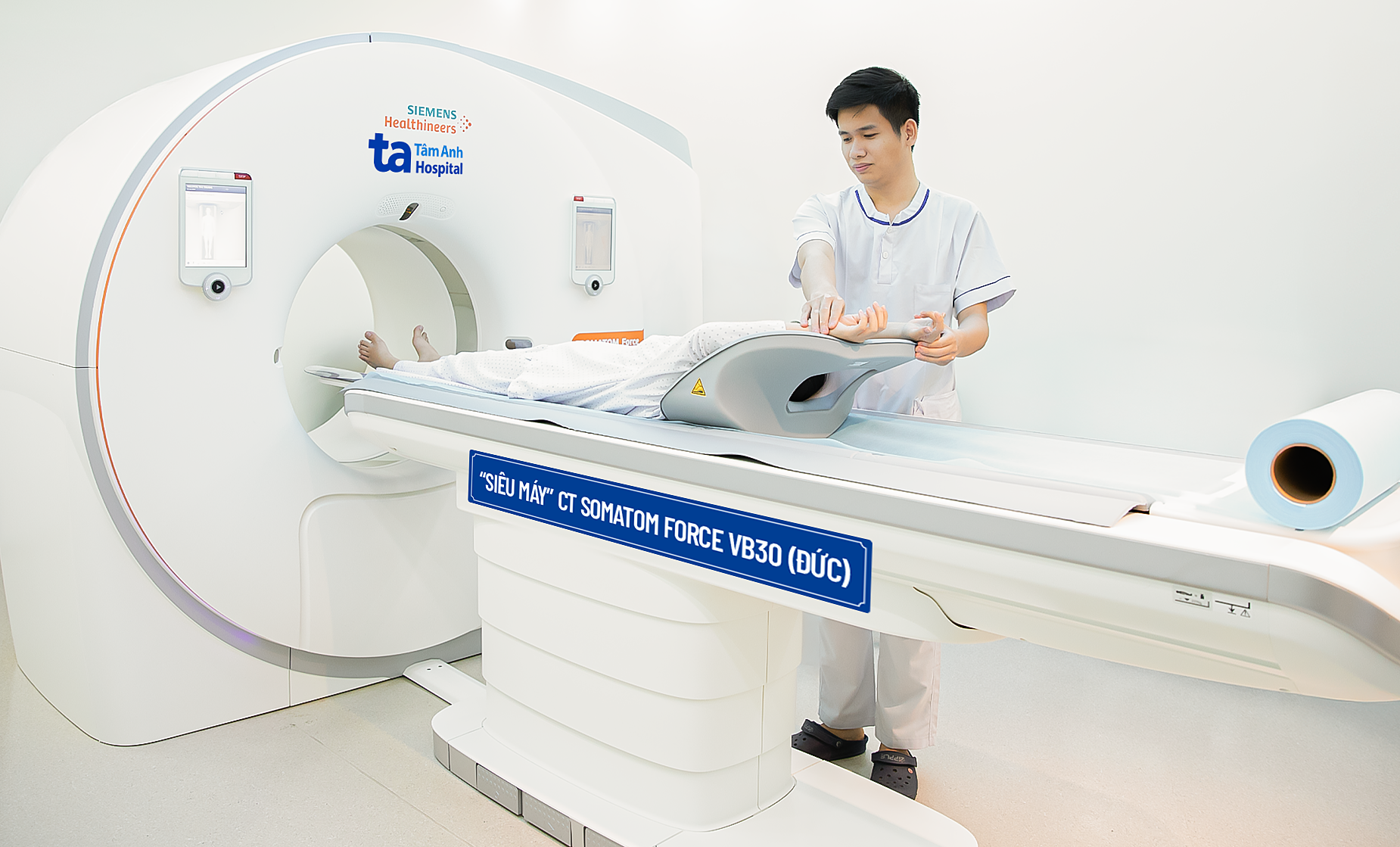 |
The Somatom Force VB30 CT system helps screen for very small (millimeter-sized) lung lesions. Photo: Tam Anh General Hospital. |
Working with talc and mineral dust
Workers in talc mining, ceramics, cosmetics, and rubber manufacturing industries are at risk of occupational talcosis if they inhale talc dust for extended periods. Prolonged exposure can lead to chronic inflammation, fibrosis of the lung parenchyma, and reduced respiratory function.
Talc is a natural mineral extracted from rocks. After being ground into a very fine powder, talc is used in the production of many common products such as baby powder, makeup powder, plastics, paints, paper, and ceramics.
Regular exposure to irritating smoke, gases, and chemicals
Welders, metallurgists, and workers in chemical, paint, and plastic manufacturing are at risk of occupational chronic bronchitis. Irritants inhaled over many years can damage the bronchial lining, causing persistent cough and chronic phlegm production. The condition can progress to chronic obstructive pulmonary disease (COPD).
Exposure to respiratory allergens
Chefs, bakers, food processors, and rubber production workers are susceptible to occupational asthma. Allergens such as flour, natural rubber latex, enzymes, chemicals, or animal and plant proteins can trigger allergic reactions in the airways. Patients commonly experience coughing, wheezing, shortness of breath, or chest tightness.
Doctor Phong advises workers in these high-risk groups to consistently use appropriate personal protective equipment, adhere to occupational safety and health regulations, and undergo regular health check-ups. Spirometry, X-rays, or CT scans of the lungs, when indicated, aid in early detection of lesions and timely intervention.
Nhat Thanh
| Readers can submit questions about respiratory diseases here for doctors to answer. |