Answer:
Swimming pools are often crowded places with diverse groups of people, including children, women, and men. To maintain hygiene, pool operators use chlorine and other disinfectants to purify the water. However, transmission among swimmers can still occur if the pool contains pathogens, such as adenovirus, hepatitis A, enterovirus, or human papillomavirus (HPV)-induced warts.
When it enters the body, adenovirus causes symptoms such as high fever, sore throat, cough, and pink eye. Rarer complications include obstructive bronchiolitis, bronchiectasis, and infections of the liver, kidneys, or brain. In early July, the National Children's Hospital recorded hundreds of children infected with this virus.
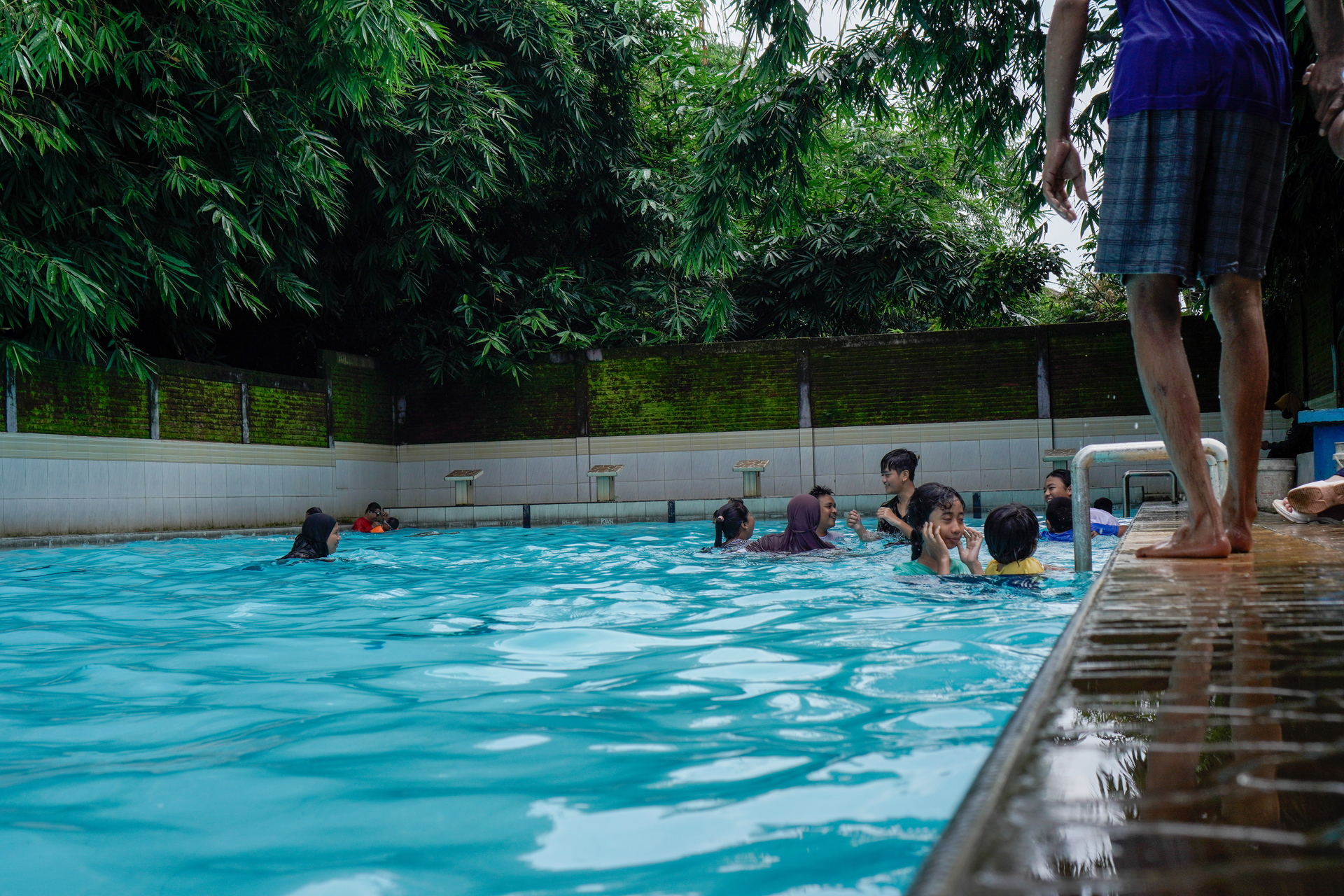 |
Parents should choose reputable swimming facilities that are regularly cleaned to ensure their children's health. *Vecteezy*.
Hepatitis A virus causes sudden symptoms such as fever, fatigue, abdominal pain, nausea, loss of appetite, and yellowing of the skin and eyes. The disease can progress severely, leading to acute liver failure, acute pancreatitis, or acute cholecystitis. Several hepatitis A outbreaks have occurred globally from swimming or hot tub use in the US, Hungary, and Australia.
Enterovirus (EV) is a common group of intestinal viruses, highly contagious among children, especially those under 5 years old. Typical diseases caused by EV include hand, foot, and mouth disease, meningitis, myocarditis, and polio, which can be fatal. During the hand, foot, and mouth disease outbreak in early 2026, Vietnam recorded at least 8 child deaths.
In humid areas around swimming pools, certain types of human papillomavirus (HPV) can enter through open wounds and cause warts, typically on the feet, such as the soles, heels, toes, or around nails. Foot warts are often benign and may disappear on their own, but in some cases, they can grow to be painful, uncomfortable, unsightly, and affect the patient's psychological well-being.
While swimming is a beneficial physical activity for both adults and children, families must prioritize health protection. It is advisable to choose clean swimming pools that are regularly cleaned and properly disinfected to safeguard the health of the entire family.
Additionally, parents should review and ensure complete vaccination for children and all family members to prevent common infectious diseases spread through respiratory, digestive, and mosquito-borne routes during the summer. These include: influenza, pneumococcal disease, respiratory syncytial virus (RSV), meningococcal disease, measles, chickenpox, hepatitis A, vaccines against common HPV types causing genital warts and cancers in both sexes, dengue fever, and Japanese encephalitis. Regarding hand, foot, and mouth disease vaccine for children, parents can seek information as soon as it becomes available in Vietnam.
Doctor Doan Thi Khanh Cham
Medical Manager, VNVC Vaccination System
Readers can submit vaccine-related questions for the doctor to answer here.