Answer:
Throat cancer is one of the common head and neck cancers in Southeast Asia, including Vietnam, with a higher incidence in men than women. According to a study based on Globocan 2012 data, among over 68,000 throat cancer cases in Southeast Asia, men accounted for about 71%, 2.5 times higher than women. Beyond factors like alcohol consumption, smoking, poor oral hygiene, and Epstein Barr virus (EBV) infection, approximately 70% of throat cancer cases are linked to human papillomavirus (HPV).
Men have a higher incidence of throat cancer than women due to habits such as smoking, alcohol consumption, and a higher rate of oral HPV infection. However, men clear the virus slower than women, and currently, there are no specific HPV testing or screening methods for men.
This cancer is also often detected late. Patients frequently mistake the symptoms for pharyngitis, sinusitis, or a sore throat. Up to 70% of patients are diagnosed at a late stage, making treatment difficult and reducing survival time.
Cases and deaths from throat cancer, and cancers in general, are increasing. Studies indicate that 50% of cancers, including throat cancer, are preventable through a healthy lifestyle, regular exercise, avoiding alcohol and smoking, and early vaccination.
Therefore, to reduce cancer risk, you should avoid smoking, limit alcohol, maintain good oral hygiene, eat a balanced diet, and practice safe sex to prevent HPV infection. You should also undergo regular cancer screenings and seek medical attention if symptoms appear.
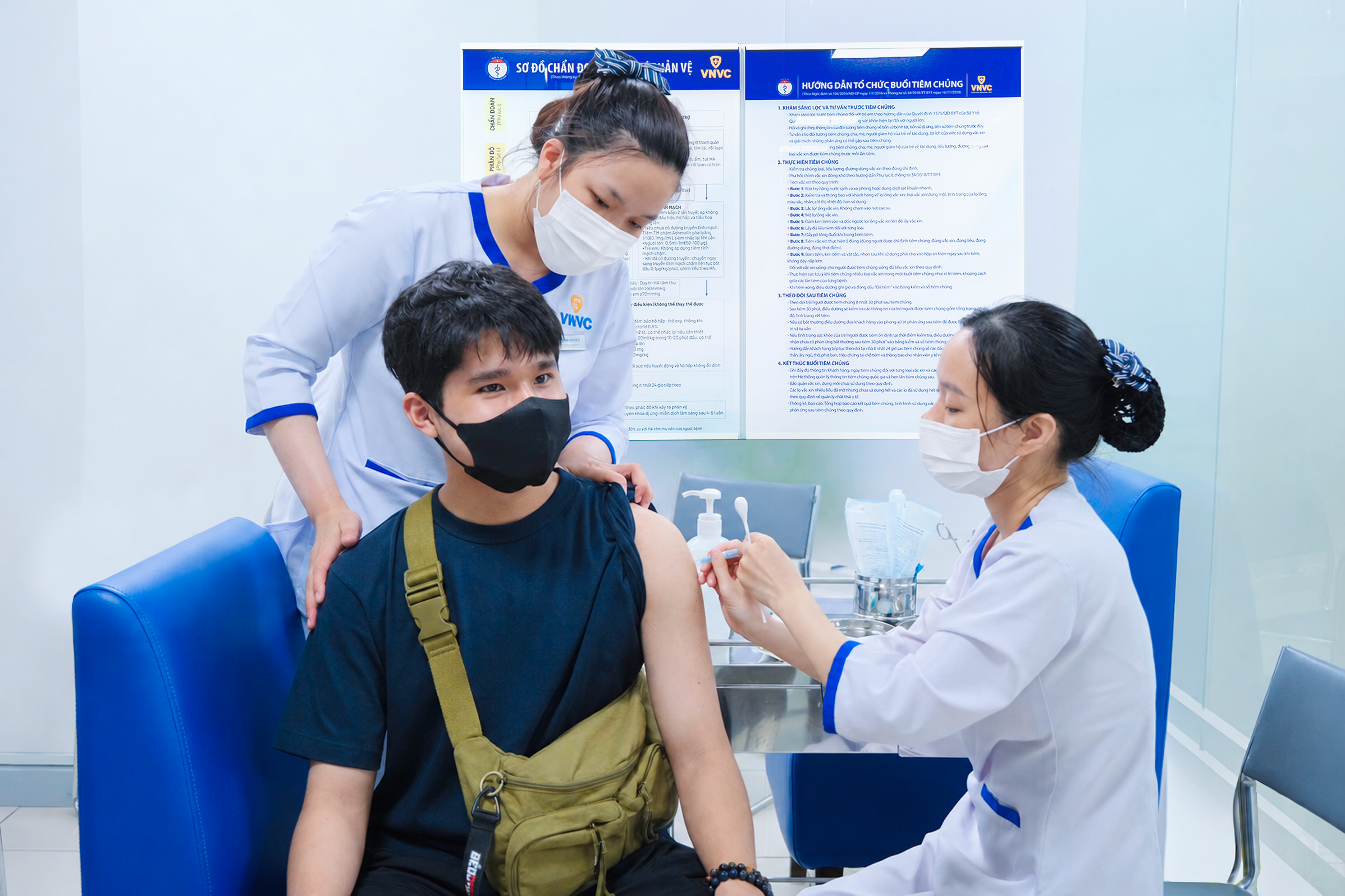 |
A young man receives the HPV vaccine at VNVC Immunization System to prevent genital warts and throat cancer. Photo: Moc Thao |
HPV vaccination is a proven method to reduce the incidence of throat cancer in men, supported by numerous studies. A study published in the US National Library of Medicine on throat cancer trends in men and women in the US from 2001-2018 showed a reduced incidence of HPV-related cancer in vaccinated young people compared to the pre-vaccination period.
Vietnam currently offers the new generation Gardasil 9 vaccine, which protects against nine high-risk HPV types that cause cancers, including throat cancer, such as 16, 18, 31, 33, 45, 52, 58. The vaccine is administered to both males and females aged 9-45. Besides cancer prevention, this vaccine also protects against HPV types 6 and 11, which cause genital warts in both men and women.
The vaccine's protective efficacy is over 90%. Individuals already infected with one HPV type can receive the vaccine to protect against uninfected virus types and prevent reinfection by the cleared virus type. At 42, you are within the recommended age range for HPV vaccination, which involves three doses over six months.
Doctor Tran Huynh Tan
Medical Manager, VNVC Immunization System
Readers can submit questions for vaccine consultation to the doctor here.