Eng English
China 中国人

Eng English
China 中国人
  • News
  • World
  • Business
  • Entertainment
  • Sports
  • Law
  • Education
  • Health
  • Lifestyle
  • Travel
  • Science
  • Digital
  • Automobiles
  • Trở lại Thể thao
  • Health
Saturday, 15/8/2026 | 13:04 GMT+7

Why blood sugar remains high even if you don't eat sweets?

Blood sugar can still rise due to high carbohydrate intake, lack of physical activity, stress, insufficient sleep, or the body's reduced ability to use insulin.

Many individuals diagnosed with high blood sugar often eliminate pastries, sugary drinks, and bubble tea from their diets. However, simply cutting out sweets may not stabilize blood sugar levels for the reasons outlined below.

One common cause of elevated blood sugar is consuming too many carbohydrates. According to Times of India, the body doesn't only get glucose from direct sugar intake; carbohydrate-rich foods such as white rice, vermicelli, pho, and bread also produce glucose upon digestion, causing blood sugar to rise. Refined carbohydrates, in particular, are digested quickly, leading to a rapid influx of glucose into the bloodstream. Instead of just removing sweets, individuals should pay attention to the portion and quality of carbohydrates consumed throughout the day.

Another significant reason for persistently high blood sugar, even with limited sugar intake, is insulin resistance. This condition occurs when cells respond poorly to insulin, making it difficult for glucose to move from the bloodstream into cells for energy. Consequently, the body must produce more insulin to maintain normal blood sugar levels. If this condition persists, the pancreas may struggle to meet the demand, leading to glucose accumulation in the blood. Insulin resistance is often associated with overweight, abdominal obesity, and diets with excess calories.
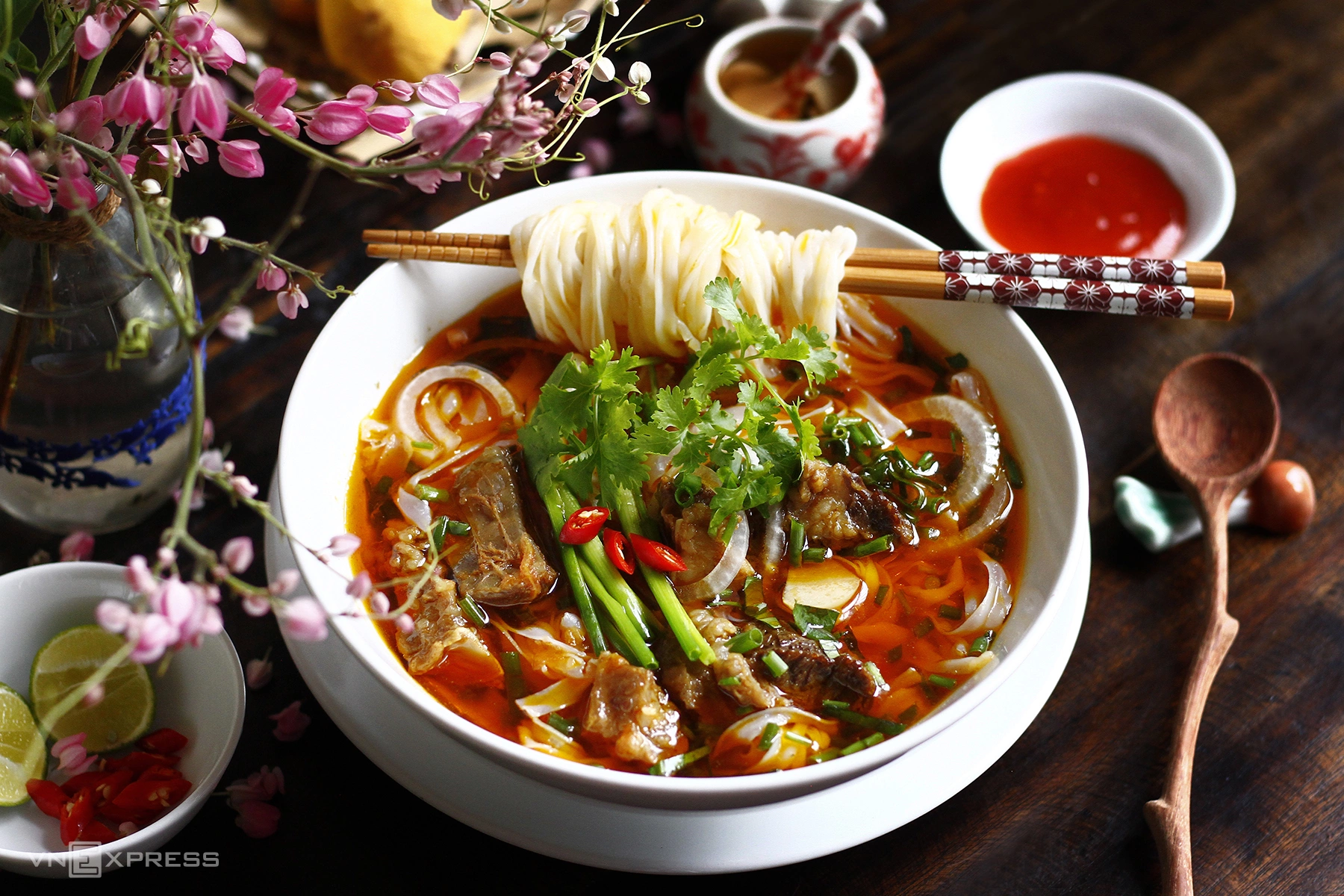
Consuming many carbohydrates can also cause blood sugar to rise. *Illustration: Bui Thuy*

Lack of physical activity also makes blood sugar difficult to lower. Muscles are key glucose consumers; during physical activity, muscles increase glucose uptake from the blood for energy. Conversely, prolonged sitting and minimal physical activity result in the body using less glucose. Therefore, even after reducing sweets, blood sugar can remain high if most of the day is spent sitting or lying down. A simple habit like a short walk after meals can help muscles utilize glucose effectively. In the long term, maintaining regular physical activity also supports improved insulin sensitivity.

Lack of sleep or prolonged stress causes the body to release more cortisol and adrenaline, prompting the liver to release glucose into the bloodstream to meet energy demands during stressful periods. Consequently, even with a balanced diet, individuals who frequently stay up late or experience chronic stress may find it difficult to control their blood sugar, according to Verywell Health.

Finally, certain medical conditions and medications can cause blood sugar to rise, even if the patient has limited sweets. Infections and endocrine disorders can increase cortisol and adrenaline, stimulating the liver to release glucose into the blood. Pancreatic diseases can also affect insulin production, making blood sugar difficult to control. Many other medications can also make it challenging for the body to manage blood sugar, depending on the individual case. If blood sugar remains consistently high despite dietary adjustments, patients should consult a doctor to identify the cause and review their current medications, rather than discontinuing them independently.

Le Nguyen (Compiled)

By VnExpress: https://vnexpress.net/vi-sao-duong-huyet-van-cao-du-ban-khong-an-do-ngot-5108901.html
Tags: blood sugar medical conditions

News in the same category

Should you drink beer to cool down in hot weather?

Should you drink beer to cool down in hot weather?

My husband and his friends often drink beer to cool off when it is hot, especially after playing sports. Is this habit healthy? (Thu Giang, Hanoi)

Should children be kept home from school when there is a hand, foot, and mouth case in class?

Should children be kept home from school when there is a hand, foot, and mouth case in class?

The teacher announced that a child in the class has grade one hand, foot, and mouth disease, being monitored at home. Should I let my child stay home or continue to go to school? (Thuy Mai, 32, Phu Tho)

Preventing bone and joint diseases

Preventing bone and joint diseases

Appropriate exercise, weight management, posture correction, scientific nutrition, and proactive check-ups can help reduce the risk of musculoskeletal conditions.

How tonsil cancer radiotherapy is performed

How tonsil cancer radiotherapy is performed

Radiotherapy can eradicate cancer independently or in combination with chemotherapy, or post-surgery to manage disease progression or alleviate symptoms.

Do age spots fade on their own?

Do age spots fade on their own?

I am 32 years old and have noticed several brown spots on my cheekbones and the backs of my hands. Are these age spots, and will they disappear on their own? (Thanh Mai, Hanoi)

Carotid artery atherosclerosis: a silent culprit behind brain strokes

Carotid artery atherosclerosis: a silent culprit behind brain strokes

Extracranial carotid artery stenosis caused by atherosclerosis is a significant cause of ischemic stroke, yet it is preventable and treatable.

Doctor identifies six groups of children who need nutritional assessments

Doctor identifies six groups of children who need nutritional assessments

Children with slow weight or height gain, those who are overweight or obese, are at risk of micronutrient deficiencies, or have chronic illnesses should undergo nutritional evaluation to monitor their growth.

Can women with hepatitis B have healthy children?

Can women with hepatitis B have healthy children?

I am 28 years old, recently married, and have chronic hepatitis B. I am currently taking medication to reduce my viral load. Can I have a healthy child, and what preparations should I make before pregnancy? (Ha Yen, Ho Chi Minh City)

How to introduce solids to babies to prevent digestive disorders?

How to introduce solids to babies to prevent digestive disorders?

My child is almost 6 months old and often experiences diarrhea when drinking milk. I am concerned about digestive disorders when introducing solids. Could a doctor provide guidance on an appropriate feeding method? (Yen, Ho Chi Minh City)

Many Vietnamese children with obesity face hypertension, diabetes from an early age

Many Vietnamese children with obesity face hypertension, diabetes from an early age

The obesity rate in Vietnamese children increased by 8.7% between 2010 and 2025, ranking 4th globally, with more children facing hypertension, fatty liver, and diabetes from a young age.

Eng English
China 中国人
  • News
  • World
  • Business
  • Entertainment
  • Sports
  • Law
  • Education
  • Health
  • Lifestyle
  • Travel
  • Science
  • Digital
  • Automobiles
FPT Tower, 10 Pham Van Bach Street, Dich Vong Ward,
Cau Giay District, Hanoi, Vietnam
Email: contacts@vnportal.net
Tel: 028 7300 9999 - Ext 8556
Advertise with us: 090 293 9644
Register
© Copyright 2026 vnnow.net. All rights reserved.
Terms of use Privacy policy Cookies