A nutritional assessment for children involves evaluating growth, nutritional status, dietary intake, eating behaviors, physical activity, sleep patterns, and any underlying medical conditions. Doctors monitor weight, height, body mass index (BMI) for age, and other growth indicators relevant to the child's age.
Doctor Tran Tra Phuong, from the Department of Nutrition at Tam Anh General Hospital Hanoi, recommends nutritional assessments for the following groups of children.
Slow weight gain or weight loss
Children experiencing prolonged lack of weight gain, weight loss, or significant deviations from their growth curve should undergo a nutritional assessment. Potential causes include inadequate food intake, eating difficulties, restricted food choices, or digestive issues. A nutritional assessment helps evaluate their growth rate, dietary patterns, eating behaviors, and physical activity levels.
Laboratory tests are not always immediately necessary; the doctor makes decisions based on the child's medical history, clinical examination, and individual growth progression. Parents should avoid independently changing formulas, administering tonics, or providing dietary supplements without first identifying the underlying cause of a child's poor growth.
 |
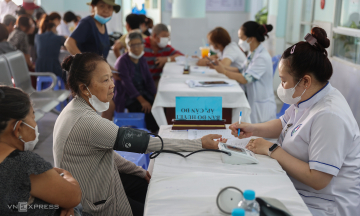
Doctor Phuong provides nutritional counseling to parents and children. Photo: Tam Anh General Hospital.
Slow height gain
Height is influenced by many factors, including genetics, nutritional status, chronic illnesses, sleep, puberty, and endocrine factors. Therefore, children should not be assessed solely on their current height, but also on their growth rate and height progression over time.
If a child exhibits a slow height growth rate, an abnormal change in their growth curve, or signs of early or delayed puberty, or symptoms suggesting an endocrine disorder, the doctor may collaborate on the assessment with a pediatric endocrinology specialist.
Prolonged picky eating
Picky eating that lasts for a few days due to an acute illness, teething, or environmental changes often resolves naturally. However, if a child holds food in their mouth for extended periods, rejects numerous foods, fears mealtimes, vomits or coughs during eating, or experiences difficulty chewing and swallowing, an assessment is recommended.
Eating difficulties in children can stem from digestive conditions, constipation, reflux, chewing and swallowing issues, underdeveloped eating skills, or psychological factors. Parents should avoid forcing children to eat, using food as a reward, or prolonging mealtimes excessively. Additionally, children should not use electronic devices during meals.
Overweight and obesity
Children who gain weight rapidly, have a high body mass index (BMI) for their age and gender, or exhibit risk factors like a diet rich in energy-dense foods, sugary drinks, and limited physical activity, should undergo a nutritional assessment.
Childhood overweight and obesity are linked to several health issues, including metabolic disorders, fatty liver, high blood pressure, dyslipidemia, and blood sugar imbalances. Obese children should not be subjected to forced fasting or extreme elimination of any nutrient group. The primary treatment goal is to adjust dietary quality and quantity, promote physical activity, and improve sleep patterns.
Risk of micronutrient deficiency
Symptoms such as fatigue, paleness, reduced concentration, or changes in diet may indicate a need for a micronutrient deficiency assessment. Doctors base their evaluation on dietary habits, medical history, risk factors, clinical examination, and appropriate laboratory tests when indicated. Parents should avoid simultaneously supplementing with multiple vitamins and minerals for extended periods without confirming an actual deficiency.
Children with underlying conditions or special diets
Children with chronic illnesses or conditions that impact eating, nutrient absorption, metabolism, or nutritional requirements need close nutritional monitoring.
Children following vegetarian or vegan diets, those with multiple food allergies, or those who do not consume dairy should also receive nutritional counseling to ensure their diet provides sufficient energy and nutrients.
Doctor Phuong emphasizes that even in the absence of unusual symptoms, parents should regularly monitor their child's growth during routine health check-ups.
Van Anh
| Readers can submit questions about nutrition here for doctors to answer |