Dark circles under the eyes are common and do not always reflect a lack of sleep; they can appear due to various factors.
Genetics
Some individuals tend to develop dark circles early, even with adequate sleep and a healthy lifestyle. Genetic factors can influence skin pigmentation, the thinness of the skin around the eyes, or the orbital bone structure, making this area more prone to darkening.
According to Healthline, a family history is significantly linked to periorbital hyperpigmentation. Genetically influenced dark circles can appear in childhood and change with age. If genetics are a factor, dark circles may not fully improve solely by getting enough sleep.
Aging thins the skin under the eyes
Age is one of the common causes of dark circles. As one ages, the skin gradually loses collagen and elasticity, while the soft tissue and subcutaneous fat layers change. Consequently, the skin under the eyes becomes thinner, making underlying blood vessels more visible and creating a darkened appearance.
Aging can also lead to deeper tear troughs. Shadows cast by these depressions make dark circles more apparent, even if the actual skin color has not changed significantly.
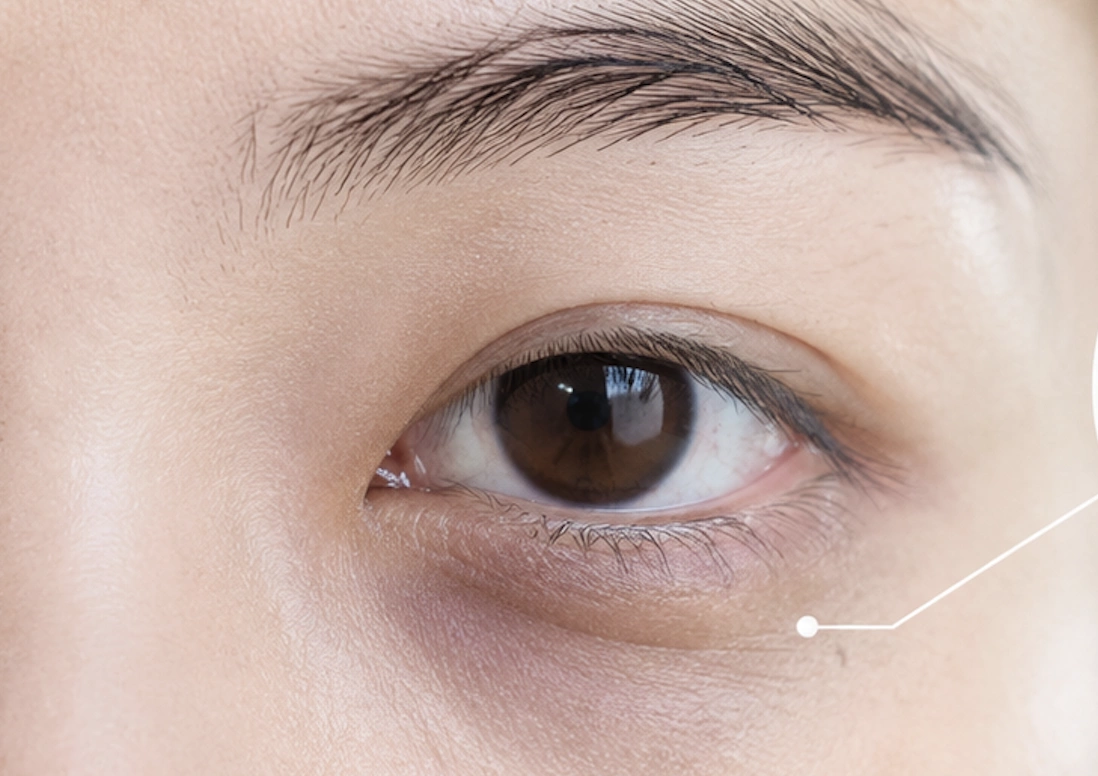 |
Aging thins the skin under the eyes, making blood vessels and tear troughs more visible, which makes dark circles appear more prominent. *Image created by AI* |
Allergies
Allergies are a cause that can be overlooked when assessing dark circles. Allergic reactions can make eyes itchy, red, and swollen. Regularly rubbing or scratching the skin around the eyes to relieve itching can cause inflammation, damage small blood vessels, and make post-inflammatory pigmentation more noticeable.
Individuals who frequently suffer from allergic rhinitis, itchy eyes, or watery eyes should focus on treating their allergic condition and avoid rubbing their eyes, rather than just attempting to conceal dark circles.
Eye strain from prolonged screen time
Working for many hours in front of computers, phones, or other electronic devices can cause eye strain. According to Medical News Today, this condition can dilate blood vessels around the eyes, making the under-eye area appear darker.
If work requires continuous screen viewing, it is advisable to take regular eye breaks, adjust screen distance and brightness appropriately, and blink frequently to reduce dryness and eye strain.
Sunlight increases pigmentation
Even with sufficient sleep, extensive sun exposure can still darken the skin under the eyes. Ultraviolet (UV) rays stimulate the body to produce melanin, the pigment that determines skin color. Increased melanin can cause the skin around the eyes to become darker.
Individuals who frequently engage in outdoor activities should wear UV-protective sunglasses and use appropriate sunscreen for the delicate skin around the eyes to mitigate the effects of sun exposure.
Dark circles can sometimes indicate a serious underlying medical condition if they appear suddenly, become progressively darker, are accompanied by swelling, or other unusual symptoms. Individuals should seek medical examination to determine the cause, avoiding self-supplementation with vitamins or iron, or using treatment products before a diagnosis is made.
By Bao Bao (Compiled)
| Readers can submit questions about ophthalmological conditions here for doctors to answer. |