Prolonged heavy alcohol consumption can lead to alcohol-related dementia, causing changes in memory and behavior. It also poses a risk for head injuries, liver failure, and alcohol-induced malnutrition.
Typical signs of alcohol-related memory loss include: slurred speech, impaired coordination, difficulty walking or a wide-legged gait, inability to recall, and personality changes. Some individuals also experience anxiety or depression, irritability, or crying spells due to abnormal nervous system function.
According to Very Well Health, alcohol impacts numerous bodily organs and can contribute to memory loss through various mechanisms.
Toxins impacting the brain: Heavy alcohol consumption elevates inflammation, damaging nerve cells in the brain and leading to memory loss.
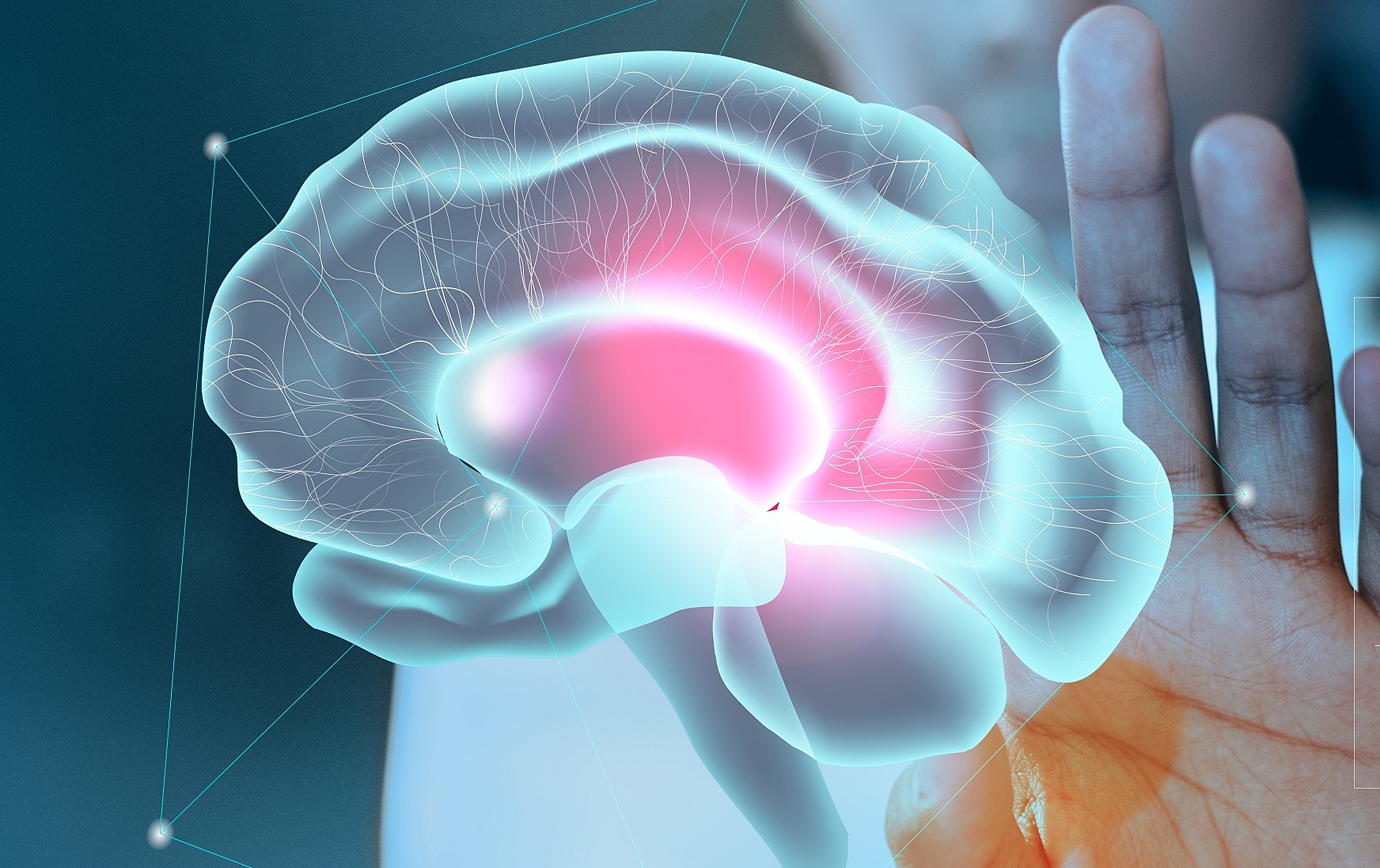 |
Alcohol negatively affects the brain. Photo: AI |
Wernicke-Korsakoff syndrome: This type of dementia results from a thiamine (vitamin B) deficiency. Alcohol damages the lining of the gastrointestinal tract, hindering intestinal cells from absorbing thiamine from food. This prolonged condition can lead to brain damage.
Liver failure: According to WebMD, the liver participates in food metabolism and supports chemical processes that handle and eliminate toxins. Heavy alcohol consumption increases the burden on the liver, leading to toxin accumulation and liver failure when overloaded, which negatively impacts the brain.
Malnutrition: Alcohol damages the stomach, intestines, pancreas, and liver, diminishing the body's ability to absorb nutrients from food. Additionally, alcohol causes dehydration and appetite loss, leading individuals to neglect healthy eating. When the body lacks nutrients, the brain does not receive the necessary energy to function, fostering the development of memory decline and memory loss.
Head injuries: Intoxication can increase the risk of accidents, falls, and head injuries. These traumas can cause or exacerbate neurological changes associated with Alzheimer's and other forms of dementia, according to Healthline.
To protect the brain and limit early memory decline, individuals should avoid heavy alcohol consumption. If drinking, women should have no more than one drink per day, and men no more than two. Avoid drinking on an empty stomach or late at night, as this can increase blood sugar, cause insomnia, and negatively affect brain function and overall health.
Regular exercise, brain training through games like chess and crossword puzzles, healthy eating, and stress reduction also contribute to maintaining brain health and lowering the risk of early dementia.
Anh Chi (Compiled)
| Readers can ask questions about neurological diseases here for doctors to answer. |